
 Pin it
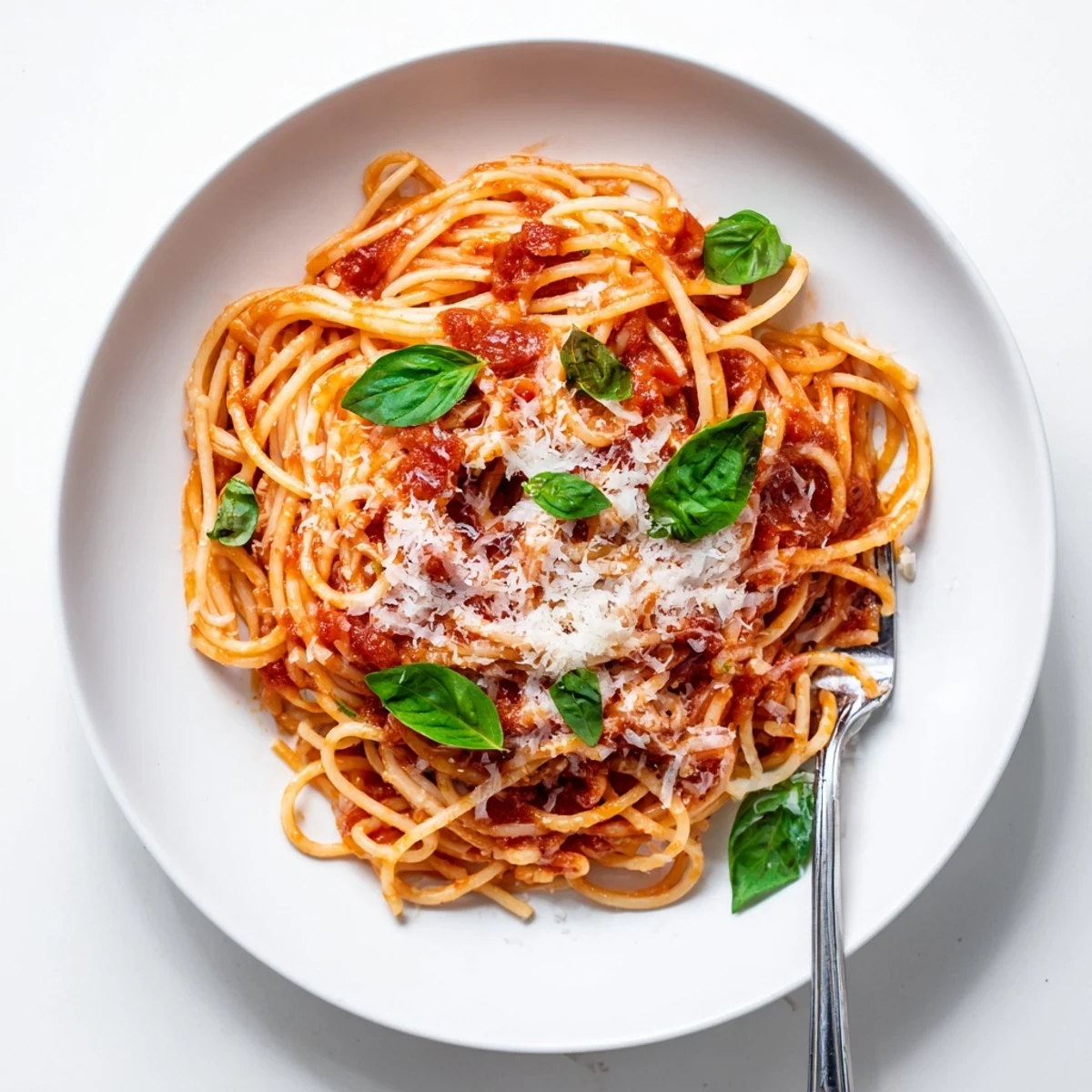
 Create this beloved Italian favorite in under 30 minutes with pantry staples. The pasta cooks to perfect al dente texture while the simmered tomato sauce develops deep, aromatic flavors from garlic, onions, and dried herbs. A finishing sprinkle of Parmesan and fresh basil brings restaurant-quality elegance to your table. This versatile vegetarian main serves four generously and pairs beautifully with crusty bread and a simple green salad.
The smell of garlic hitting olive oil is enough to make me forget whatever bad day I am having and this simple pasta dish is the reason why. My tiny apartment kitchen in college had exactly one pot and one pan and somehow this recipe still turned out perfectly every single time. It is the kind of meal that makes you close your eyes at the first bite. Classic Italian cooking does not need to be complicated to be extraordinary.
One rainy Tuesday my roommate walked in soaking wet and groaning about her terrible day at the bookstore. I handed her a bowl of this pasta still steaming and she sat on the kitchen floor eating it in complete silence. We never spoke about that evening again but she started requesting pasta night every single week after that.
Ingredients
- Dried spaghetti or penne (400 g): Use whatever shape makes you happy but spaghetti really grabs that thin sauce beautifully.
- Salt for pasta water (1 tablespoon): The water should taste like the sea because this is your one chance to season the pasta itself.
- Olive oil (2 tablespoons): A decent extra virgin olive oil makes a noticeable difference here since it is a foundational flavor.
- Garlic (2 cloves, finely chopped): Finely chopped so it melts into the sauce rather than hitting you with sharp raw bits.
- Onion (1, finely diced): The quiet backbone of sweetness that balances all that tomato acidity.
- Canned crushed tomatoes (800 g): San Marzano if you can find them because the flavor is noticeably sweeter and richer.
- Dried oregano (1 teaspoon) and dried basil (1 teaspoon): These dried herbs actually bloom and deepen during the simmer in a way fresh herbs cannot replicate at this stage.
- Sugar (half a teaspoon): Just enough to tame the sharpness of canned tomatoes without making anything taste sweet.
- Salt and pepper: Taste as you go and trust your palate over any measurement.
- Freshly grated Parmesan cheese (40 g): Grate it yourself from a block because the pre grated stuff contains anti caking agents that make it clumpy.
- Fresh basil leaves: Torn by hand at the very end so their perfume hits you right as you serve.
Instructions
- Get the water going:
- Bring a large pot of generously salted water to a rolling boil and add your pasta. Cook until just al dente which usually means one minute less than the package says then reserve half a cup of that starchy water before draining.
- Build the flavor base:
- While the pasta works heat olive oil in a large skillet over medium heat and add your garlic and onion. Stir gently and watch them soften without browning for about five minutes until the kitchen smells absolutely heavenly.
- Simmer the sauce:
- Pour in the crushed tomatoes along with oregano, basil, sugar, salt, and pepper then give it a good stir. Let it bubble uncovered for twelve to fifteen minutes stirring now and then so nothing catches on the bottom.
- Marry the pasta and sauce:
- Toss your drained pasta directly into the skillet with the sauce and splash in that reserved pasta water a little at a time until everything looks glossy and perfectly coated.
- Finish and serve:
- Shower the whole thing with freshly grated Parmesan and scatter torn basil leaves over the top. Serve immediately while the cheese is still melting into those beautiful strands.
 Pin it
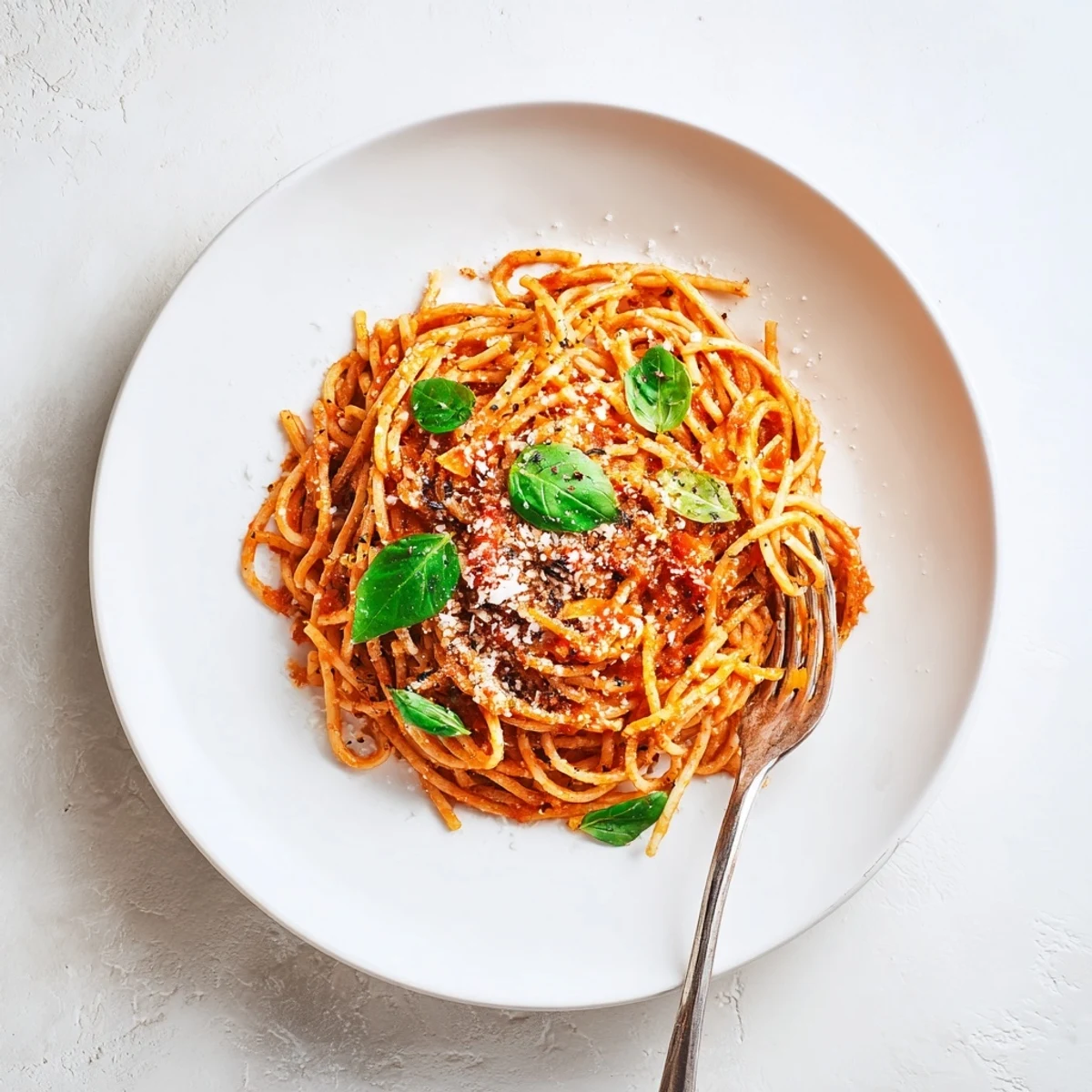
 Somewhere between the garlic sizzling and the basil being torn this dish stopped being just dinner and started feeling like a ritual of comfort. It is the meal I make when I have nothing to say but want someone to know I care.
A Few Things I Learned the Hard Way
Always start your sauce before the pasta goes into the water because timing them to finish together is the difference between a seamless dinner and cold noodles waiting on a counter. A heavy bottomed skillet distributes heat more evenly and reduces the chance of hot spots that scorch your tomatoes. Using a wooden spoon rather than metal seems to coax out a gentler more rounded flavor from the garlic and onions.
What to Drink With It
A crisp Pinot Grigio cuts right through the richness of the olive oil and cheese while complementing the tomato acidity beautifully. If you prefer red something light like a Chianti works wonderfully without overpowering the simple sauce. Even a glass of sparkling water with lemon feels festive alongside a steaming bowl of this on a Tuesday night.
Making It Your Own
This recipe is really a starting point and I encourage you to play with it based on what you love and what is in your fridge.
- A pinch of red pepper flakes added with the garlic transforms this into something with a sneaky gentle heat that keeps you going back for another bite.
- Try swapping in gluten free pasta and nutritional yeast for a completely vegan version that still satisfies on every level.
- Always taste the sauce right before adding the pasta because that is your last chance to adjust salt, acid, or sweetness and it makes all the difference.
 Pin it
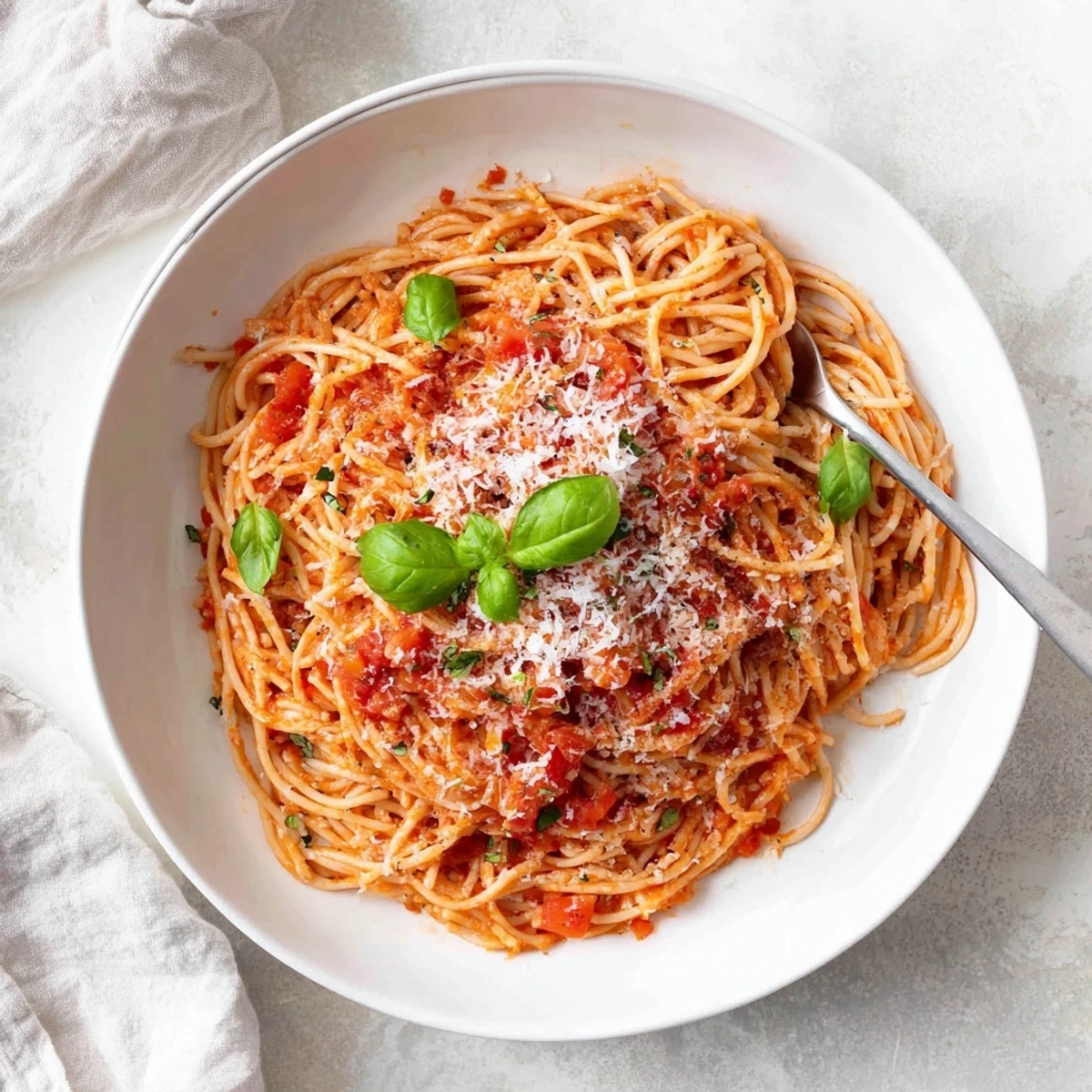
 Keep this recipe close because it will save you on nights when you are tired, broke, or just in need of something warm and familiar. Good food does not have to be fancy to be deeply satisfying.
Recipe Questions & Answers
- → How do I know when pasta is al dente?
-
Taste the pasta 1-2 minutes before the package's minimum cooking time. Al dente pasta should be tender but still offer a slight resistance when bitten. It should not be mushy or hard in the center. The pasta will continue cooking slightly when tossed with the hot sauce.
- → Can I use fresh tomatoes instead of canned?
-
Yes, substitute 800g fresh ripe tomatoes. Blanch them in boiling water for 30 seconds, peel, crush by hand, and cook down for 20-25 minutes instead of 12-15. Fresh tomatoes may need slightly more seasoning and a pinch of extra sugar depending on their natural acidity.
- → What pasta shapes work best with this sauce?
-
Spaghetti, penne, rigatoni, or fusilli all work beautifully. Long strands like spaghetti or linguine cling to the lighter sauce, while tubular shapes like penne capture the sauce inside. Choose based on preference—this sauce complements virtually any dried pasta shape.
- → How can I store and reheat leftovers?
-
Store cooled pasta in an airtight container for up to 3 days. Reheat gently in a skillet over medium-low heat, adding a splash of water or olive oil to loosen the sauce. The pasta may absorb more liquid overnight, so additional pasta water helps restore the ideal consistency.
- → Can I make this dish vegan?
-
Absolutely. Replace the Parmesan with nutritional yeast, vegan Parmesan alternative, or simply omit the cheese entirely. The sauce itself is naturally plant-based, and the dish remains flavorful and satisfying without dairy adjustments needed elsewhere in the recipe.
- → Why add sugar to tomato sauce?
-
A small amount of sugar balances the natural acidity of canned tomatoes, creating a more rounded flavor profile. This is especially helpful with tomatoes harvested early or processed with citric acid. Start with ½ teaspoon and adjust to taste—it shouldn't make the sauce sweet, just harmonious.