
 Pin it
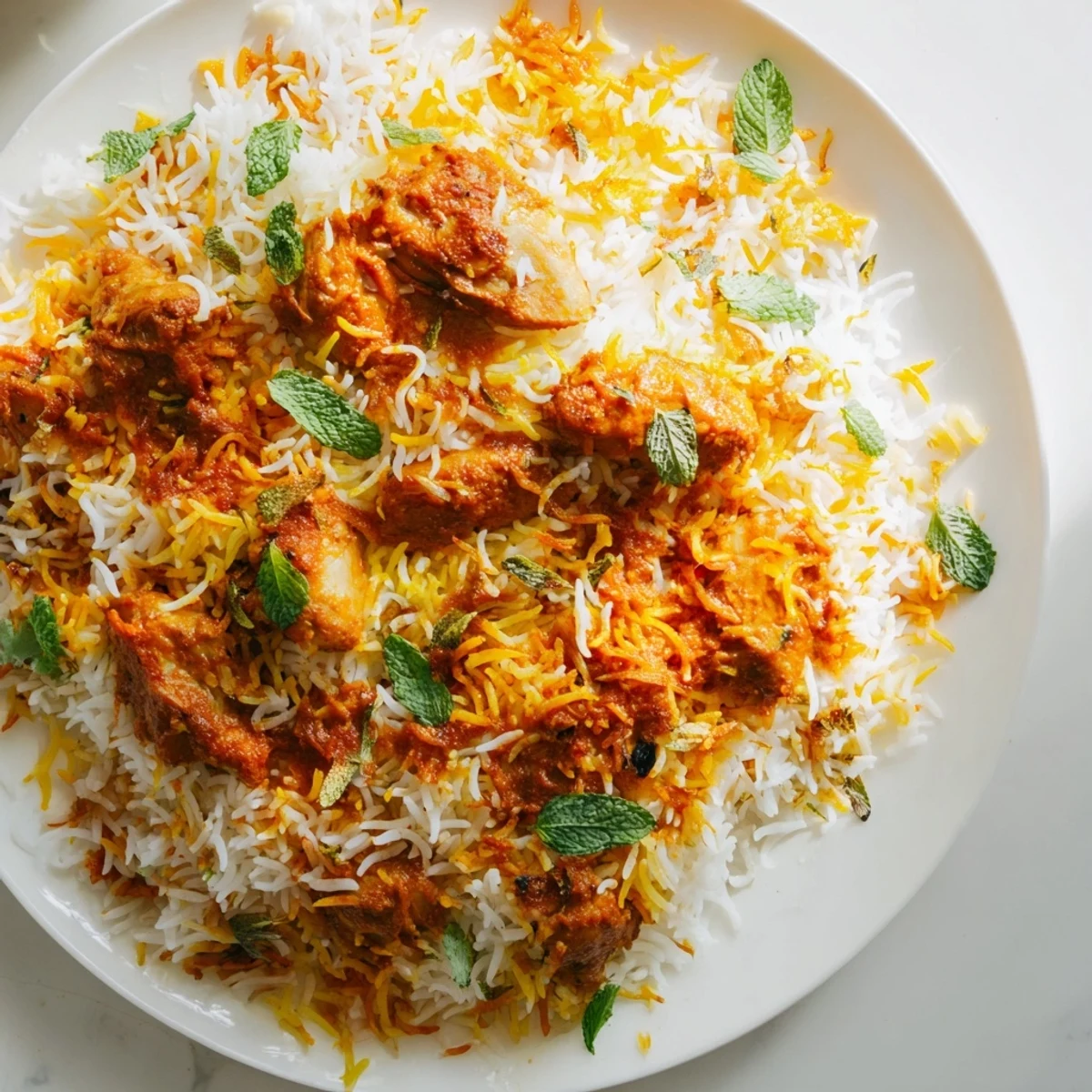
 This indulgent one-pot masterpiece brings together rich, creamy butter chicken and perfectly spiced basmati rice in aromatic layers. The chicken marinates in yogurt and warm spices before simmering in a velvety tomato-cream sauce. Rice is par-cooked with whole spices like cardamom, cinnamon, and cloves, then layered with the sauce, saffron-infused milk, ghee, crispy fried onions, and fresh herbs. A final bake melds all the flavors together, creating tender, fragrant grains that soak up the luscious sauce below.
The moment I lifted the lid off that Dutch oven, my entire apartment transformed. Cardamom and cinnamon swirled through every room, and I knew this wasnt just dinner anymore. My roommate poked her head in, asking what smelled like a proper Indian restaurant. That evening, watching friends gather around the steaming pot, I realized biryani has this magical way of turning a regular Tuesday into something worth celebrating.
Last winter, during that particularly brutal cold snap, I made this for my sister who was recovering from surgery. She took one bite and actually got tears in her eyes. Theres something about the combination of comfort food and complex flavors that just hits different when someone needs healing most. Now she requests it every time she visits, claiming its better than any restaurant version shes tried.
Ingredients
- Chicken thighs: Dark meat stays juicy during long cooking and stands up better to bold spices than breast meat does
- Greek yogurt: The tang and enzymes tenderize the meat while creating that signature creamy texture
- Basmati rice: Soaking for 30 minutes prevents grains from breaking and ensures they cook up fluffy and separate
- Saffron: Those precious threads infuse the top layers with an earthy floral aroma and gorgeous golden color
- Fried onions: They add sweet savory crunch that contrasts beautifully with tender rice and sauce
Instructions
- Marinate the chicken:
- Combine all the marinade ingredients in a large bowl, making sure every piece of chicken gets coated in that spiced yogurt mixture. Cover and refrigerate for at least an hour, though letting it sit overnight makes the flavors sing.
- Prepare the rice:
- Bring your water to boil with the whole spices and salt, then add the soaked rice and cook until its just barely tender. You want it slightly underdone since itll finish cooking in the steam later.
- Cook the butter chicken:
- Sauté your onions until they turn golden brown, then add the ginger and garlic paste until fragrant. Brown the marinated chicken pieces before stirring in your spices and tomatoes.
- Simmer the sauce:
- Pour in the cream and sugar, letting everything bubble gently until the sauce thickens and coats the chicken pieces. The sauce should be rich and velvety, not too thick or too thin.
- Layer everything:
- Start with a layer of butter chicken on the bottom, then rice, then drizzle with saffron milk, melted butter, fried onions, and fresh herbs. Repeat until everything is beautifully layered.
- Steam to perfection:
- Cover your pot tightly and either bake at 350°F or cook on the lowest stovetop setting for 25 minutes. Let it rest undisturbed for 10 minutes before fluffing.
 Pin it
 My first attempt at biryani years ago was a disaster. I cooked the rice completely before layering and ended up with a gummy mess that no amount of garnish could save. But that failure taught me exactly why timing matters so much. Now I tell everyone, the dish rewards patience and punishes rushing.
The Art of Marinating
Ive learned that even 30 minutes of marinating makes a noticeable difference in tenderness, but overnight is absolute perfection. The acids in the yogurt and lemon juice work their way into the meat, breaking down fibers while the spices penetrate deep. When you bite into that chicken later, every layer of flavor has been absorbed, not just coated on the surface.
Getting The Rice Right
The trick that changed everything for me was tasting a grain of rice right before draining. It should still have a tiny white center of firmness, like perfectly cooked pasta. That bit of resistance means it can absorb all those biryani flavors during the final steam instead of turning to mush. Trust this step more than the timer.
Building Beautiful Layers
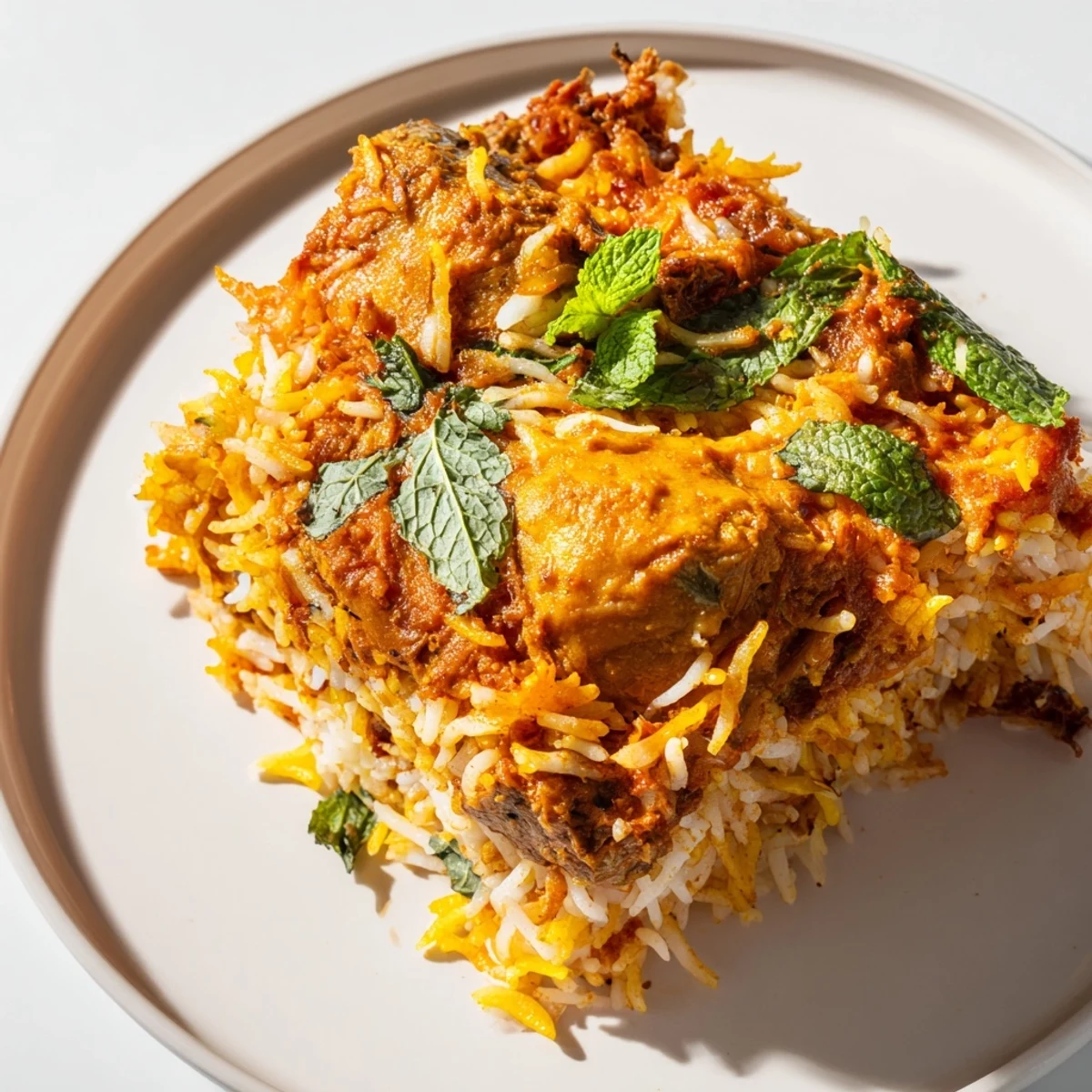
Think of layering like building a sandwich where each bite should contain every element. When you pull that final serving together, you want some chicken, some rice, some herbs, some crispy onions, maybe a bit of saffron-stained grain from the top. The magic happens when all these components merge on your fork.
- Press each layer gently but dont compact it or steam wont circulate properly
- Save your prettiest fried onions for the very top layer for that restaurant presentation
- Let it rest longer than you think you should before serving for the best texture
 Pin it
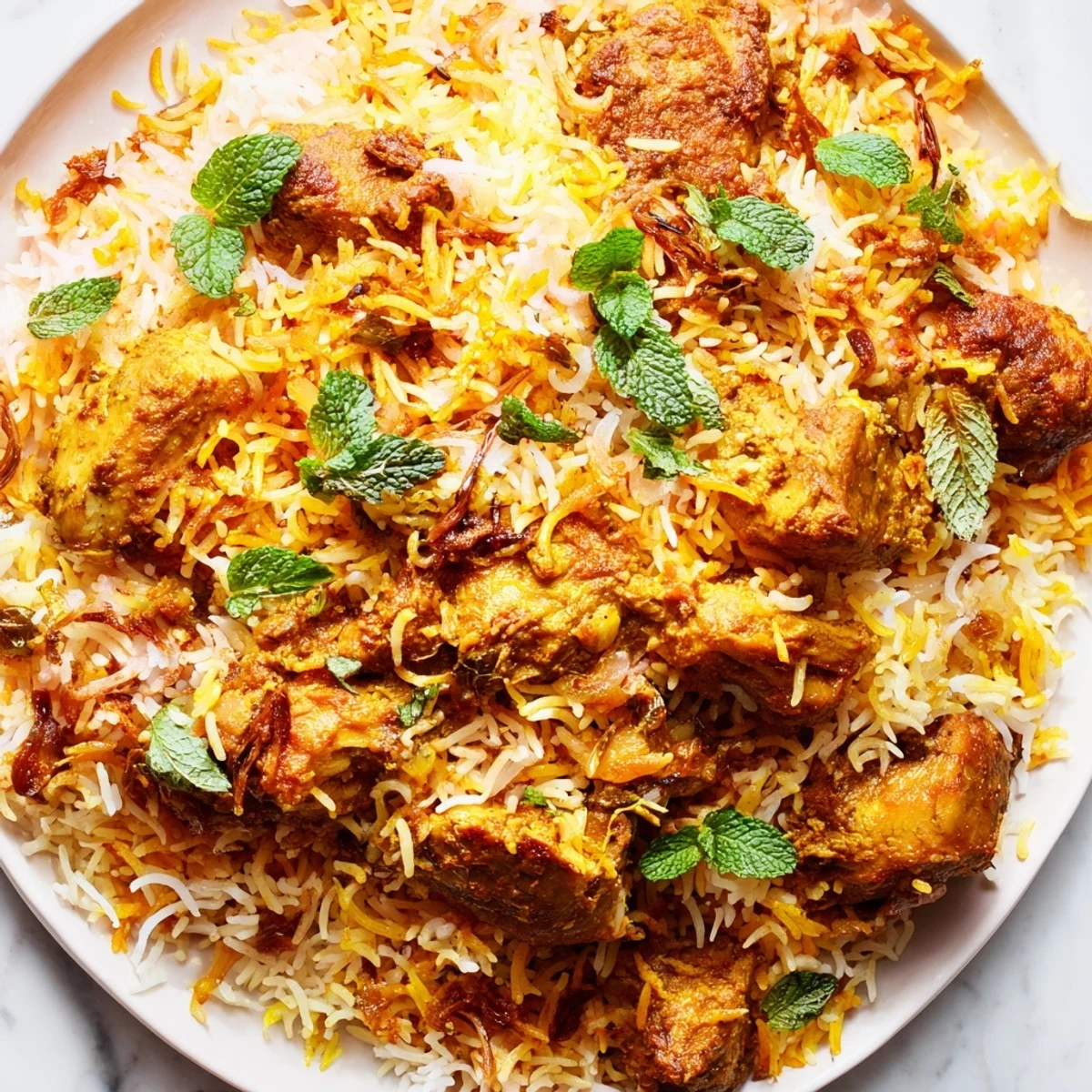
 There is something deeply satisfying about serving biryani, watching people dig in and hearing that first collective hum of appreciation. Its not just a dish, its an experience.
Recipe Questions & Answers
- → What makes this different from regular butter chicken?
-
Unlike traditional butter chicken served as a curry, this version layers the rich sauce with partially cooked basmati rice. The dish then bakes, allowing the rice to steam and absorb the aromatic spices and creamy sauce, creating distinct flavors throughout each layer.
- → Can I prepare this ahead of time?
-
Yes, marinate the chicken overnight and prepare the sauce up to a day in advance. Assemble and bake just before serving for the best texture and flavor. The flavors actually deepen when allowed to rest.
- → What should I serve with this dish?
-
Complement with cool cucumber raita, fresh papadums, or a simple kachumber salad. The creamy, rich flavors pair beautifully with refreshing sides that balance the spices.
- → Can I make this vegetarian?
-
Absolutely. Substitute paneer cubes for the chicken, or use mixed vegetables like cauliflower, potatoes, and peas. Adjust cooking time as paneer cooks faster than chicken.
- → Why do I need to soak the rice?
-
Soaking basmati rice for 30 minutes ensures even cooking and prevents grains from breaking. It also helps the rice elongate properly, resulting in fluffy, separate grains rather than a sticky texture.