
 Pin it
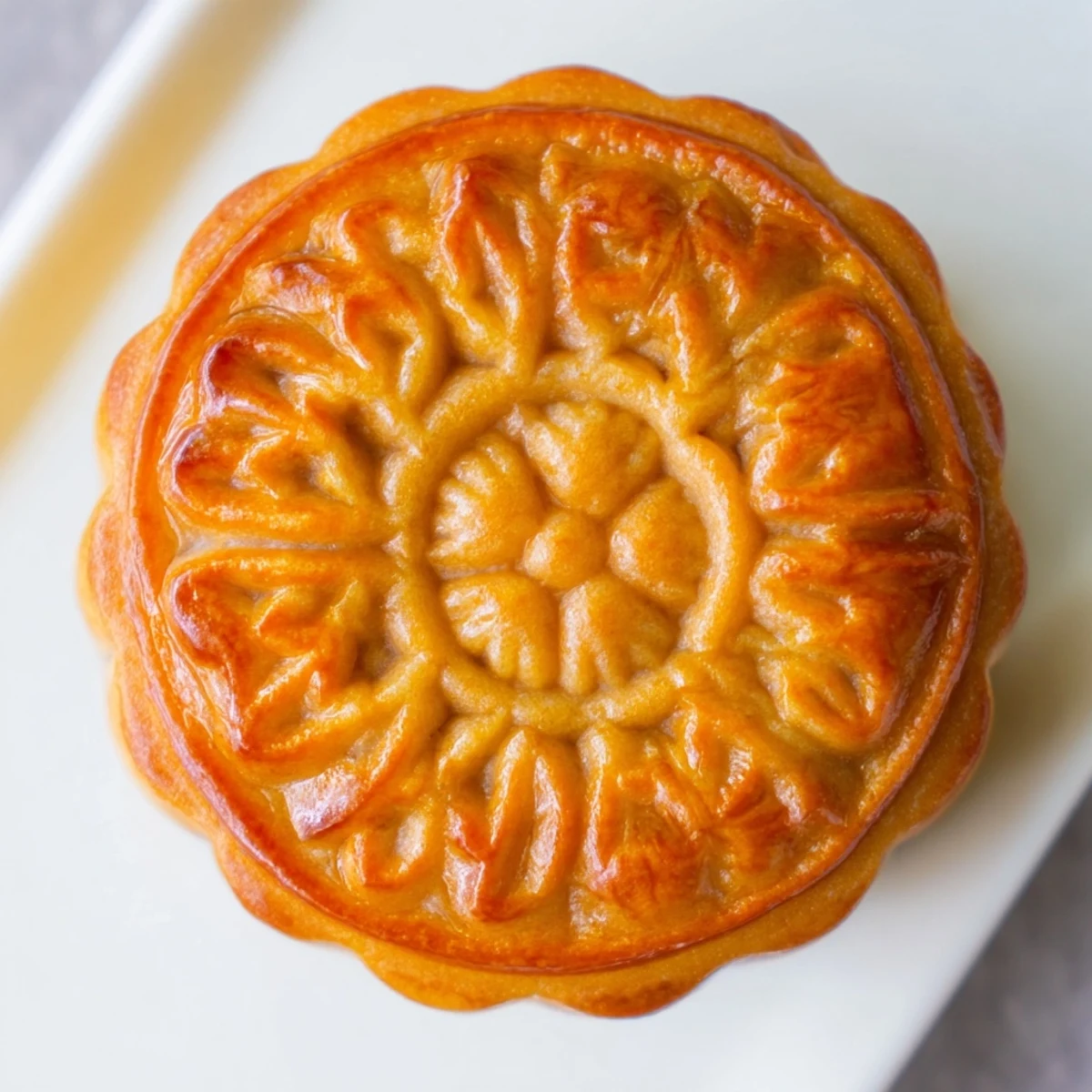
 These traditional mooncakes feature a delicate, golden pastry that encases a rich and creamy lotus seed paste filling. The dough, made with golden syrup and alkaline water, develops the signature tender texture and beautiful amber hue that mooncakes are known for.
Each mooncake can be enhanced with a salted egg yolk center, creating a delightful contrast between the sweet paste and savory yolk. The shaping process uses traditional molds to create intricate patterns on the surface, making these as beautiful as they are delicious.
The resting period is essential—allowing the pastry to soften and the flavors to meld together. For the best taste and texture, let the mooncakes sit for a day before serving, as this traditional waiting period transforms the pastry from crisp to perfectly tender.
My grandmother's tiny kitchen would fill with the unmistakable honeyed scent of golden syrup every September, signaling that mooncake season had arrived. I'd perch on a stool watching her hands work the glossy dough with practiced ease, while she explained that patience was the secret ingredient no recipe could teach. Those afternoons taught me that mooncakes aren't just dessert—they're edible wishes wrapped in golden pastry, meant to be shared under the fullest moon of the year.
Last autumn, I finally attempted Grandma's method on my own, nervously measuring alkaline water and hoping the dough would cooperate. My first batch emerged with slightly uneven molds, but when I bit into that still-warm mooncake, the taste transported me straight back to her kitchen. Now I make them every year, sharing boxes with friends who've never experienced the magic of a homemade mooncake fresh from the oven.
Ingredients
- 120 g all-purpose flour: The foundation of that signature tender crust, low-protein flour works best here
- 85 g golden syrup: This honey-colored invert sugar gives the pastry its glossy finish and subtle caramel notes
- 30 g vegetable oil: Creates a pliable dough while keeping the crust delicate and melt-in-your-mouth
- 1/2 tsp alkaline water: The secret to achieving that characteristic golden-brown color and tender texture
- 480 g lotus seed paste: Store-bought works beautifully, or make your own for an extra labor of love
- 12 salted egg yolks: Traditional and optional, they add a rich, savory contrast to the sweet filling
- 1 egg yolk mixed with 1 tbsp milk: Creates that beautiful burnished finish on the baked mooncakes
Instructions
- Make the glossy dough:
- Whisk together the golden syrup, oil, and alkaline water until completely emulsified, then fold in the flour until just combined. The dough will feel soft and slightly sticky—cover it tightly and let it rest for a full 2 hours, which is crucial for workability.
- Prepare the filling:
- Portion the lotus paste into 12 equal balls of about 40 grams each. If you're using salted egg yolks, gently press each yolk into the center of a paste ball and reshape until the yolk is completely hidden inside.
- Shape the mooncakes:
- Divide the rested dough into 12 pieces, roughly 20 grams each. Flatten a dough portion into a thin disc, place a filling ball in the center, and carefully coax the dough up and around the filling, pinching to seal completely.
- Mold and bake:
- Dust your mooncake mold lightly with flour, press the filled ball inside, then release onto a parchment-lined tray. Bake at 180°C for just 5 minutes, brush with the egg wash, then return to the oven for 15-20 minutes until deeply golden.
 Pin it
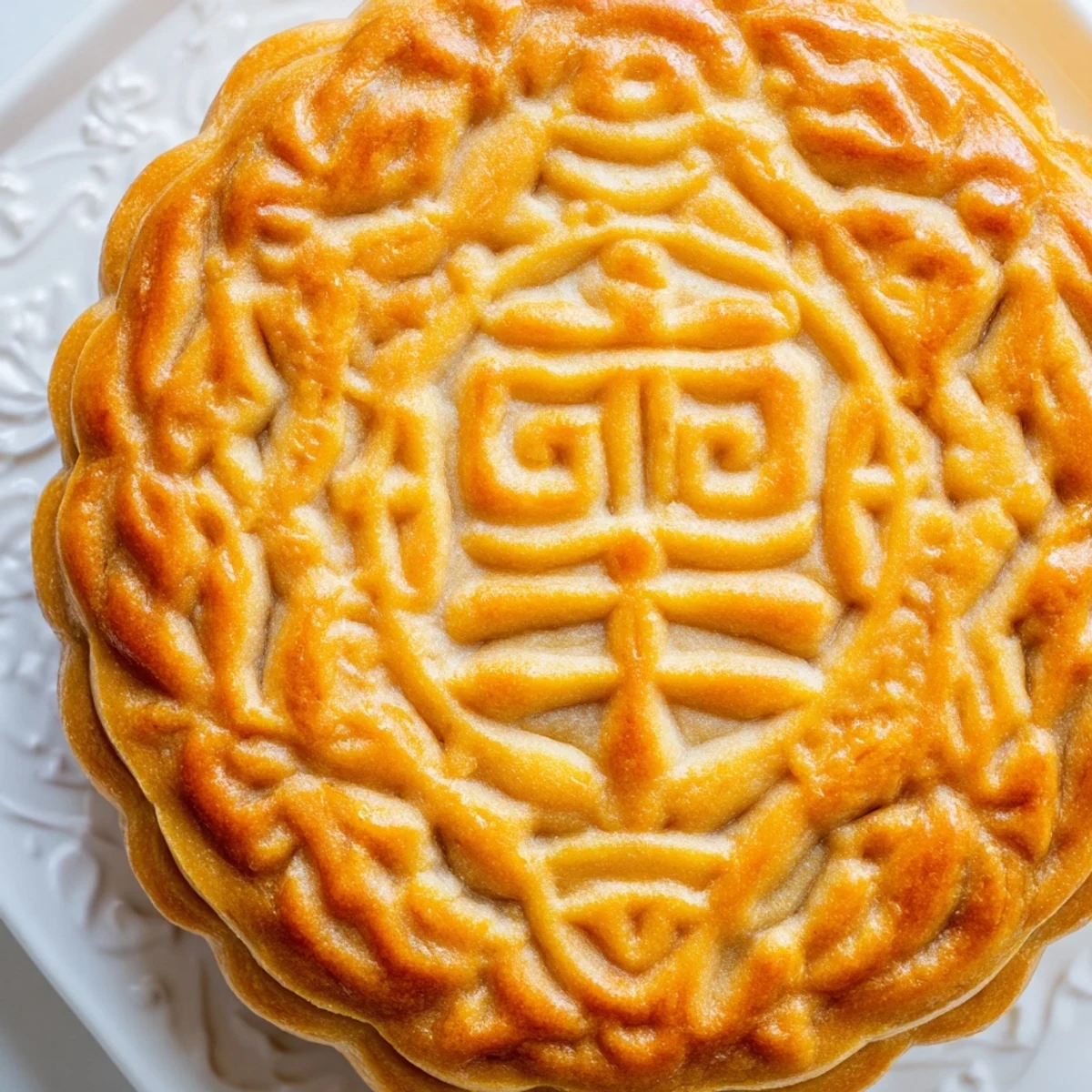
 There's something almost magical about slicing into a mooncake you've made yourself, revealing the intricate pattern and rich filling inside. I've found that giving homemade mooncakes as gifts creates moments of connection that store-bought versions simply can't match—each bite carries stories and care.
Working With Mooncake Molds
A light dusting of flour in your mold prevents sticking, but too much will blur the beautiful designs. I've learned to tap the molded mooncake firmly against the palm of my hand to release it cleanly—gravity and a gentle shake do the rest. If the design doesn't pop, the dough might be too warm, so pop it in the fridge for 10 minutes.
The Art of Egg Washing
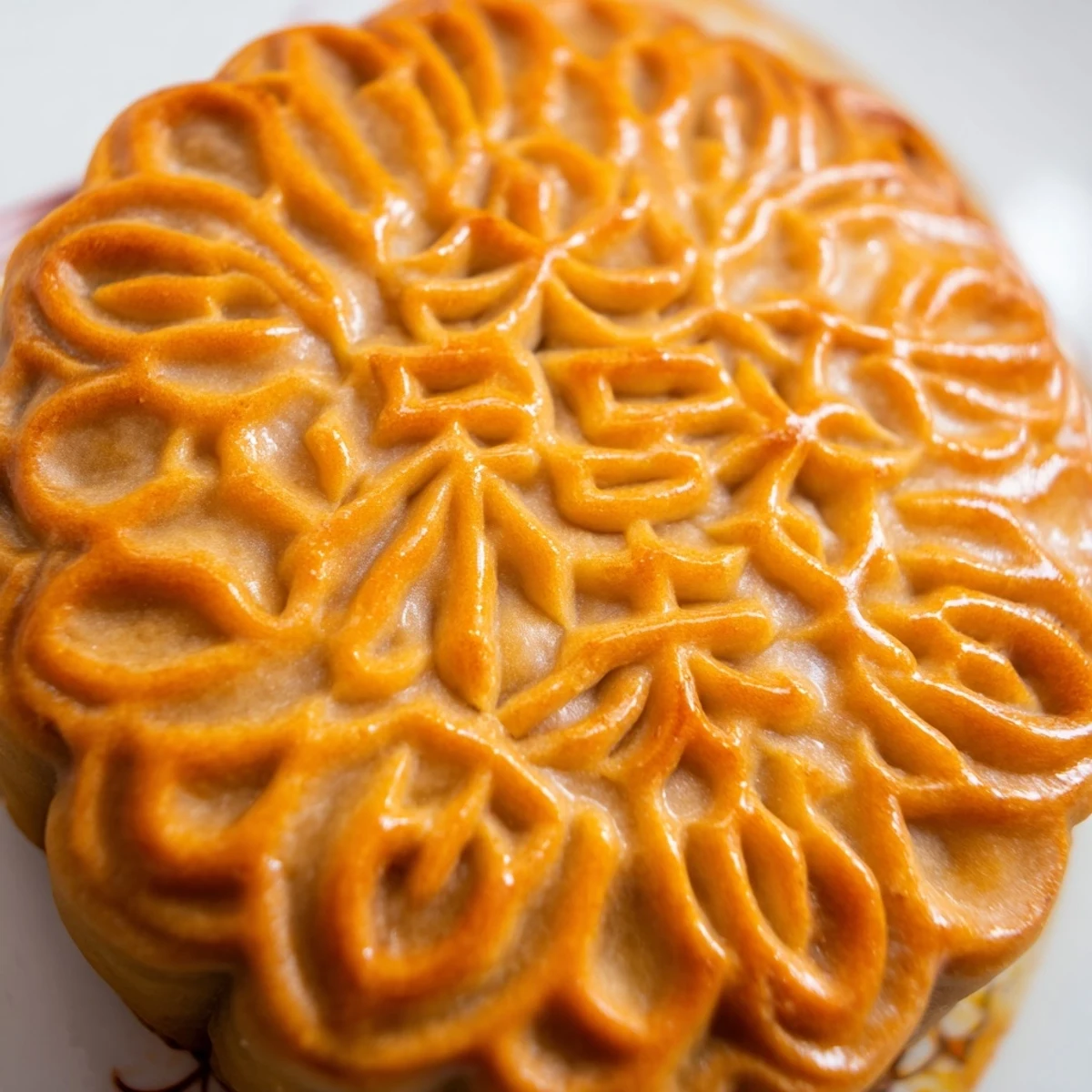
That golden sheen doesn't happen by accident—after the first short bake, the surface is set enough to handle the egg wash without deflating. Use a pastry brush and work quickly, applying just enough to coat without pooling in the designs, which can make them blurry. Too much egg wash also creates a tough, leathery surface instead of the delicate shine you're after.
Flavor Variations and Storage
While traditional lotus paste is timeless, I've experimented with red bean paste and even a chocolate-marshmallow version that surprised everyone. Keep your finished mooncakes in an airtight container at room temperature—they actually improve with age, developing that characteristic soft, glossy skin and melded flavor that makes them irresistible.
- Try replacing salted egg yolks with roasted macadamias for a creamy, nutty surprise
- A splash of cognac in the lotus paste adds a sophisticated depth grown-ups love
- Label your containers with the date so you can track their perfect ripening window
 Pin it
 May your Mid-Autumn Festival be filled with warm tea, good company, and mooncakes that taste like love.
Recipe Questions & Answers
- → Why do mooncakes need to rest for 2 hours before shaping?
-
The resting period allows the flour to fully hydrate and the gluten to relax. This makes the dough more pliable and easier to work with, preventing shrinkage during baking. It also helps develop the tender texture that mooncakes are prized for.
- → Can I make lotus seed paste from scratch?
-
Yes, though it's time-consuming. Soak dried lotus seeds overnight, boil until tender, then blend into a smooth paste. Cook with sugar and oil until thickened. Homemade paste allows you to control sweetness and texture, though quality store-bought versions work excellently.
- → What if I don't have a mooncake mold?
-
While traditional molds create the classic decorative patterns, you can shape mooncakes by hand. Roll the filled dough into balls and flatten slightly, or use a decorative cookie press. The taste will remain authentic even without the intricate mold designs.
- → Why do mooncakes taste better after resting for a day?
-
The resting period allows the moisture from the filling to gradually soften the pastry, creating the characteristic tender texture. This process, called 'returning oil' in Chinese baking, also allows the flavors of the lotus paste and any salted egg yolk to meld harmoniously with the dough.
- → How should I store mooncakes and how long do they last?
-
Store mooncakes in an airtight container at room temperature for up to 1-2 weeks. For longer storage, refrigerate for up to a month or freeze for 3 months. Bring to room temperature before serving, as the texture and flavor are best when slightly warmed.
- → What is alkaline water and can I substitute it?
-
Alkaline water (lye water) gives mooncakes their characteristic golden-brown color and helps neutralize the acidity in golden syrup. It's difficult to substitute perfectly, but a pinch of baking soda dissolved in water can work in a pinch, though the color and texture may differ slightly.