
 Pin it
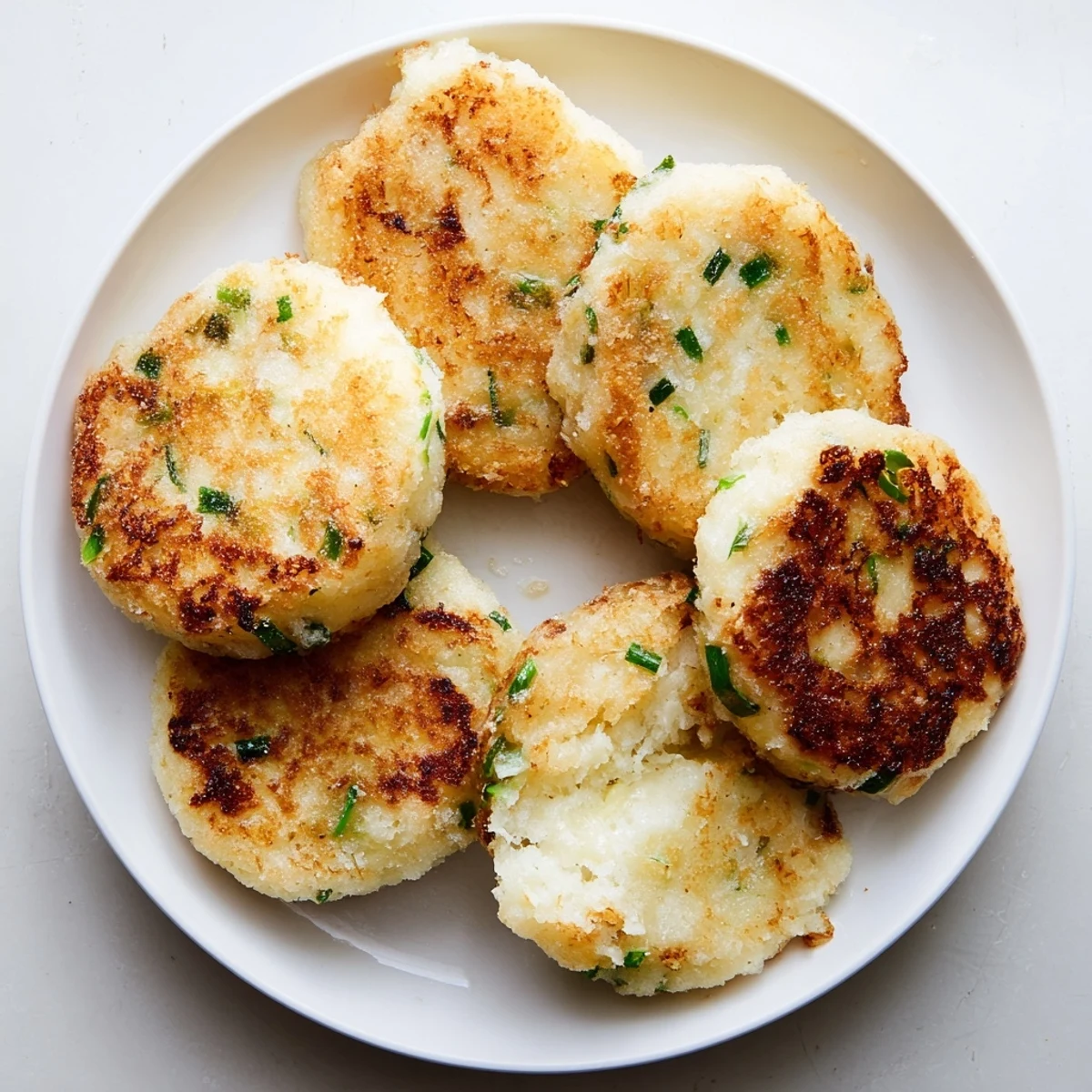
 These golden potato cakes combine fluffy mashed potatoes with fresh scallions, seasoned simply with salt and pepper. After forming a soft dough with flour, the cakes are pan-fried until crisp and golden on both sides, offering a comforting texture and flavor. Perfectly suited for breakfast or as a side dish, they bring an easy yet satisfying touch to any meal.
Prep time is quick, with potatoes boiled then mashed and mixed with butter, milk, and scallions. Cooking involves frying the shaped cakes in butter until browned. Variations include adding cheddar or pairing with smoked salmon or poached eggs for an elevated experience.
The smell of butter hitting a hot pan still takes me back to my grandmother's tiny kitchen in County Cork, where she'd whip up these potato cakes before I'd even fully rubbed the sleep from my eyes. She never measured anything, just knew by touch when the dough was right, and somehow hers always came out perfectly golden while mine stuck to the pan in my early attempts. Now I understand it's about patience—letting those potatoes steam dry properly, not rushing the cooling time, and having the courage to wait for that perfect golden crust before flipping.
Last winter, during that endless stretch of gray January days, I made these for my housemates who were all feeling a bit low and homesick. We stood around the stove, taking turns flipping them, and the simple act of cooking together turned a dreary Sunday morning into something warm and connected. They're the kind of food that makes people lean in closer, plates in hand, asking for seconds before they've even finished their first.
Ingredients
- Floury potatoes: Russet or Maris Piper varieties work best here because they absorb moisture without becoming gluey, giving you that light, tender interior
- Unsalted butter: Let it soften slightly before adding to the potatoes so it incorporates evenly without leaving greasy pockets
- Whole milk: Warm it slightly before pouring in to prevent the mashed potatoes from becoming cold and gummy
- Fresh scallions: Slice them thin and include both the white and green parts for maximum flavor and those little green flecks throughout
- Plain flour: Don't be tempted to add more than called for, or these will turn heavy instead of maintaining their delicate crumb
- Fine sea salt: Since there's not much else in these cakes, good salt makes all the difference between bland and balanced
Instructions
- Start with perfectly cooked potatoes:
- Boil them in cold, salted water until they surrender easily to a fork, then drain thoroughly and let them steam dry in the hot pan for a full minute—any excess moisture will make your dough sticky and hard to work with.
- Create the smoothest mash:
- Work the potatoes until absolutely lump-free before adding the butter and warm milk, incorporating them slowly until you have a silky, creamy base that's cooled enough to handle.
- Build the flavor foundation:
- Fold in those bright scallions along with salt and pepper, then gently incorporate the flour with a light touch just until everything comes together into a soft, slightly tacky dough.
- Shape with confidence:
- Turn the dough onto a floured surface and pat it out to an even thickness, cutting rounds with a cutter or portioning into rustic squares with a knife if you prefer that handmade look.
- Achieve golden perfection:
- Melt butter in a skillet over medium heat and cook the cakes in batches, letting them develop a deep golden crust for 3 to 4 minutes before flipping and repeating on the second side.
- Serve them while they shine:
- These are at their absolute best straight from the pan, perhaps with an extra pat of melting butter, alongside eggs or as part of a proper Irish breakfast.
 Pin it
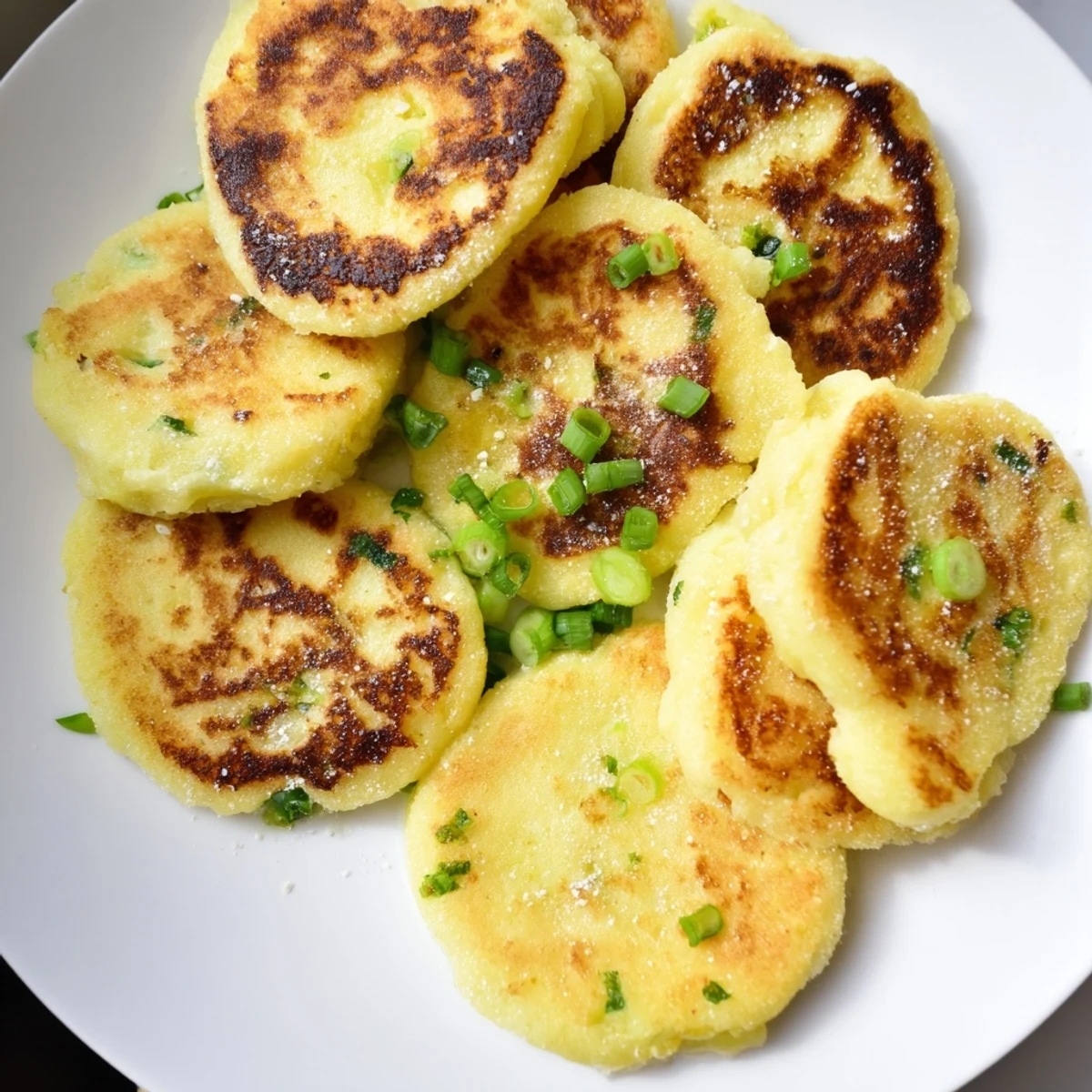
 These potato cakes have become my go-to when I need to feed people something that feels like a hug on a plate. There's something about their simplicity that puts everyone at ease, and watching someone take that first bite, crispy outside giving way to soft, scallion-flecked interior, never gets old.
Making Ahead
You can prepare the dough up to 24 hours in advance, wrapping it tightly and storing it in the refrigerator. Let it come to room temperature for about 20 minutes before shaping and cooking, as cold dough will resist rolling and may need more flour than intended.
Freezing Extra Cakes
Cook the cakes completely and cool them on a wire rack before freezing in layers between parchment paper. Reheat directly from frozen in a 350°F oven for 10 to 12 minutes, or pop them in the toaster for a quick breakfast that tastes freshly made.
Serving Suggestions
These shine alongside poached eggs and smoked salmon for brunch, or serve them as a comforting side to beef stew instead of traditional soda bread. They're also excellent with a dollop of sour cream and a sprinkle of fresh herbs for a light lunch or appetizer.
- Top with a fried egg and hot sauce for a hearty breakfast
- Crumble leftover cakes into soup for extra texture and heartiness
- Use them as a base for mini appetizers with smoked trout and horseradish cream
 Pin it
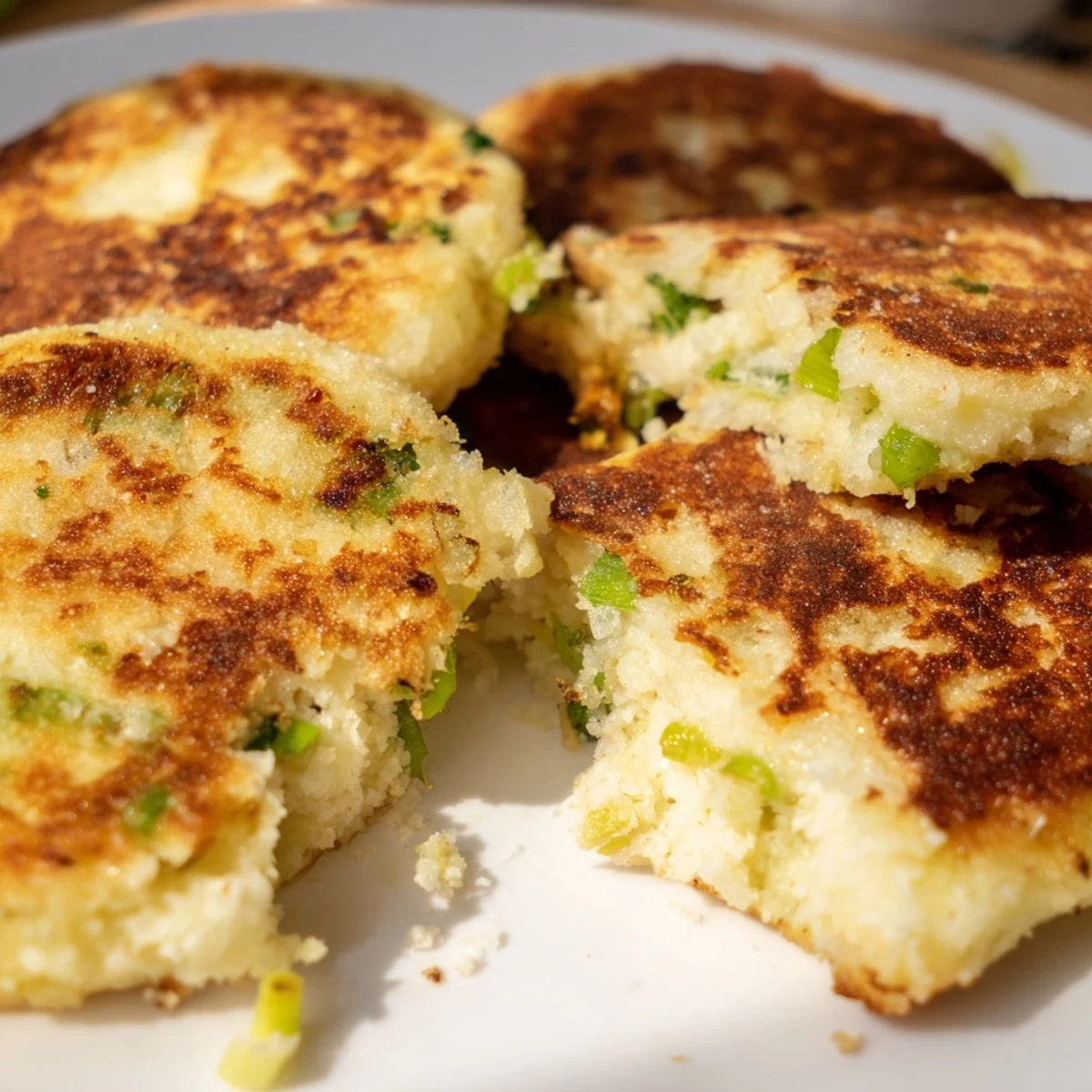
 Whether it's a lazy Sunday morning or a quick weeknight dinner, these potato cakes remind us that the most satisfying foods are often the simplest. May your kitchen always smell like butter and happiness.
Recipe Questions & Answers
- → What type of potatoes work best?
-
Floury potatoes like Russet or Maris Piper are ideal for fluffy, soft cakes that hold together well when fried.
- → Can scallions be substituted?
-
Yes, chives can be used as a milder alternative while keeping the fresh onion flavor.
- → How do I prevent the cakes from falling apart?
-
Ensuring the potatoes are well mashed and mixing in enough flour creates a soft dough that holds shape during frying.
- → What is the best fat for frying?
-
Unsalted butter provides rich flavor and helps achieve a crisp, golden crust on the cakes.
- → Can these cakes be made ahead?
-
You can prepare the dough and refrigerate it before frying, though fresh frying ensures the best texture and flavor.