
 Pin it
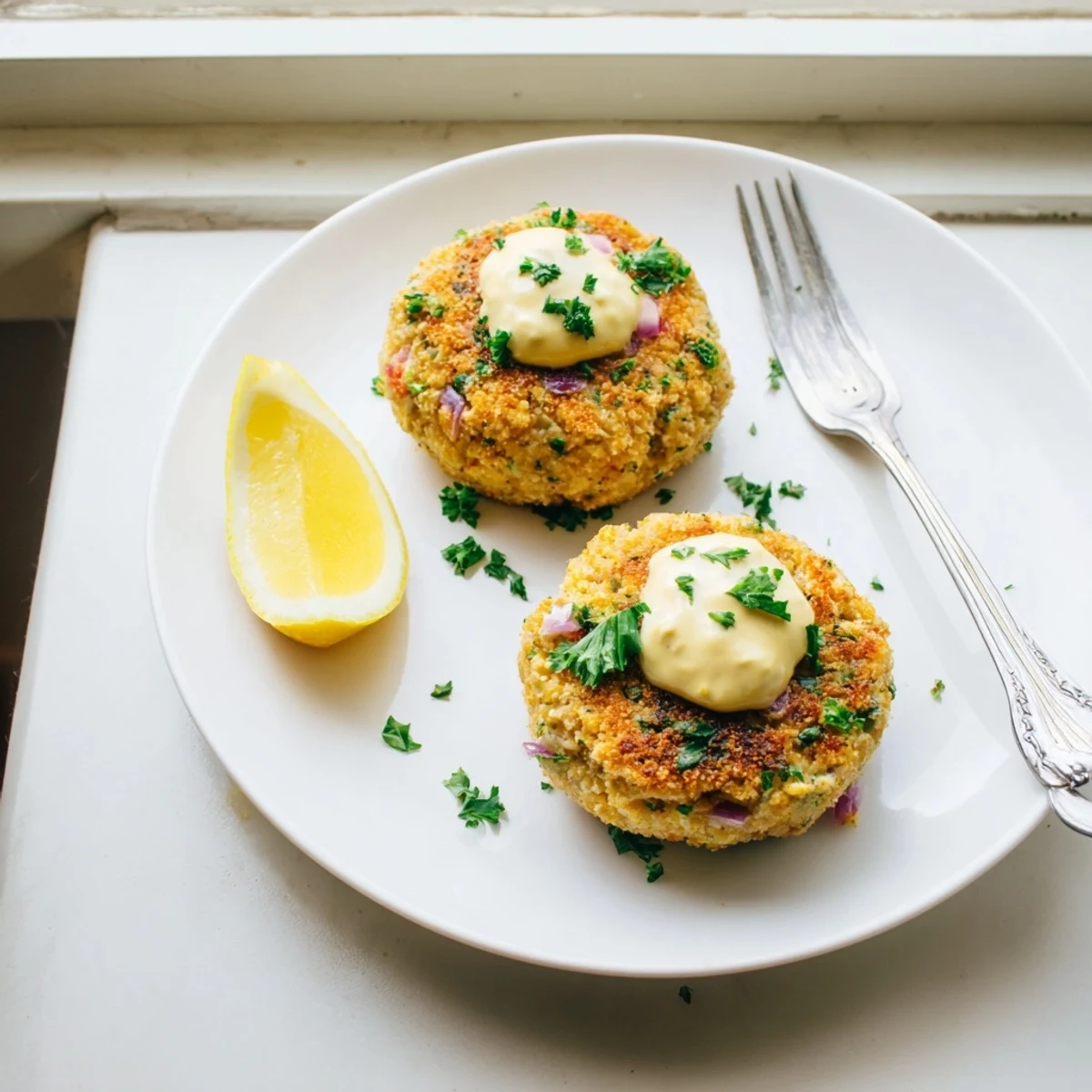
 These golden, crispy salmon cakes are made with flaked wild Alaska salmon, bright lemon zest, and aromatic garlic, then pan-fried to perfection. Served alongside a creamy, tangy aioli made with fresh lemon juice and minced garlic, they make an irresistible appetizer or satisfying main course.
Ready in just 35 minutes with simple pantry ingredients, this dish highlights the natural richness of wild salmon balanced by citrusy brightness. Pair with a crisp Sauvignon Blanc and a fresh side salad for a complete meal.
The sizzle of salmon cakes hitting a hot skillet on a rainy Tuesday evening is the kind of sound that makes a kitchen feel like home. I threw these together on a whim with a leftover fillet and a lemon that had been sitting on the counter for a week, and they turned out so good I immediately called my mom to brag. The lemon garlic aioli was an afterthought, a lazy refrigerator raid that ended up stealing the whole show. Now this dish sits in my regular rotation from spring through fall, whenever I need something that feels a little fancy without demanding a whole evening.
I made a double batch of these for a friends potluck last summer and watched a plate of twelve cakes vanish in under ten minutes. One friend stood guard by the platter, actually blocking another guest with his arm, which is the highest compliment a home cook can receive. The aioli was gone even faster, scraped clean with a piece of bread like it was the last thing on earth worth eating.
Ingredients
- Wild Alaska salmon fillets (1 lb): Skin removed before baking, and please go wild rather than farmed here because the firmer texture holds together beautifully when you flake it.
- Panko breadcrumbs (1 cup): Regular breadcrumbs work, but panko gives the cakes a lighter crunch that feels less dense and more restaurant quality.
- 2 large eggs: Lightly beaten, these are the glue that keeps everything together, so do not skip them or try to substitute.
- Fresh parsley (2 tbsp chopped): Adds a bright freshness that balances the richness of the salmon, and flat leaf is preferred over curly for better flavor.
- Zest and juice of 1 lemon: The zest goes into the cakes for fragrance and the juice adds a subtle tang that wakes up every bite.
- 2 garlic cloves minced: One goes into the cakes and one into the aioli, and fresh is non negotiable because the jars taste flat by comparison.
- Red onion (1/4 cup finely diced): A gentle sharpness that disappears into the cakes, and dicing small ensures no raw onion bombs.
- Dijon mustard (1 tbsp for cakes plus 1 tsp for aioli): Acts as a flavor amplifier rather than making things taste mustardy, which is a neat trick.
- Olive oil (2 tbsp for frying): Just enough to get a golden crust without making the cakes greasy or heavy.
- Mayonnaise (1/2 cup): The base of the aioli, and full fat is the way to go for maximum creaminess.
- Salt and pepper: Added to both the cakes and the aioli, and tasting as you go is the real secret to seasoning well.
Instructions
- Bake the salmon:
- Preheat your oven to 350 degrees Fahrenheit and place the salmon fillets on a parchment lined baking sheet with a gentle seasoning of salt and pepper. Bake for twelve to fifteen minutes until the fish is just cooked through and still juicy, then let it cool slightly before flaking it into large rustic pieces with a fork.
- Build the cake mixture:
- In a large bowl, gently combine the flaked salmon with panko, beaten eggs, parsley, lemon zest, lemon juice, minced garlic, red onion, Dijon mustard, salt, and pepper. Use your hands or a fork and mix until just combined, being careful not to overwork it into mush because those chunky salmon pieces are what make the cakes satisfying.
- Shape the cakes:
- With damp hands to prevent sticking, form the mixture into eight small cakes or four larger patties, pressing firmly enough that they hold together but gently enough that you do not compress all the texture out of them.
- Pan fry to golden perfection:
- Heat olive oil in a large non stick skillet over medium heat and add the cakes, cooking for three to four minutes per side until you get a deep golden crust that makes you want to sneak one straight from the pan. Drain briefly on paper towels to remove any excess oil.
- Whip up the aioli:
- In a small bowl, whisk together the mayonnaise, remaining minced garlic, two teaspoons of lemon juice, one teaspoon of Dijon mustard, and salt and pepper to taste. Give it a taste and adjust the lemon or salt until it sings, because the aioli should be bold enough to stand up to the richness of the salmon.
- Serve and enjoy:
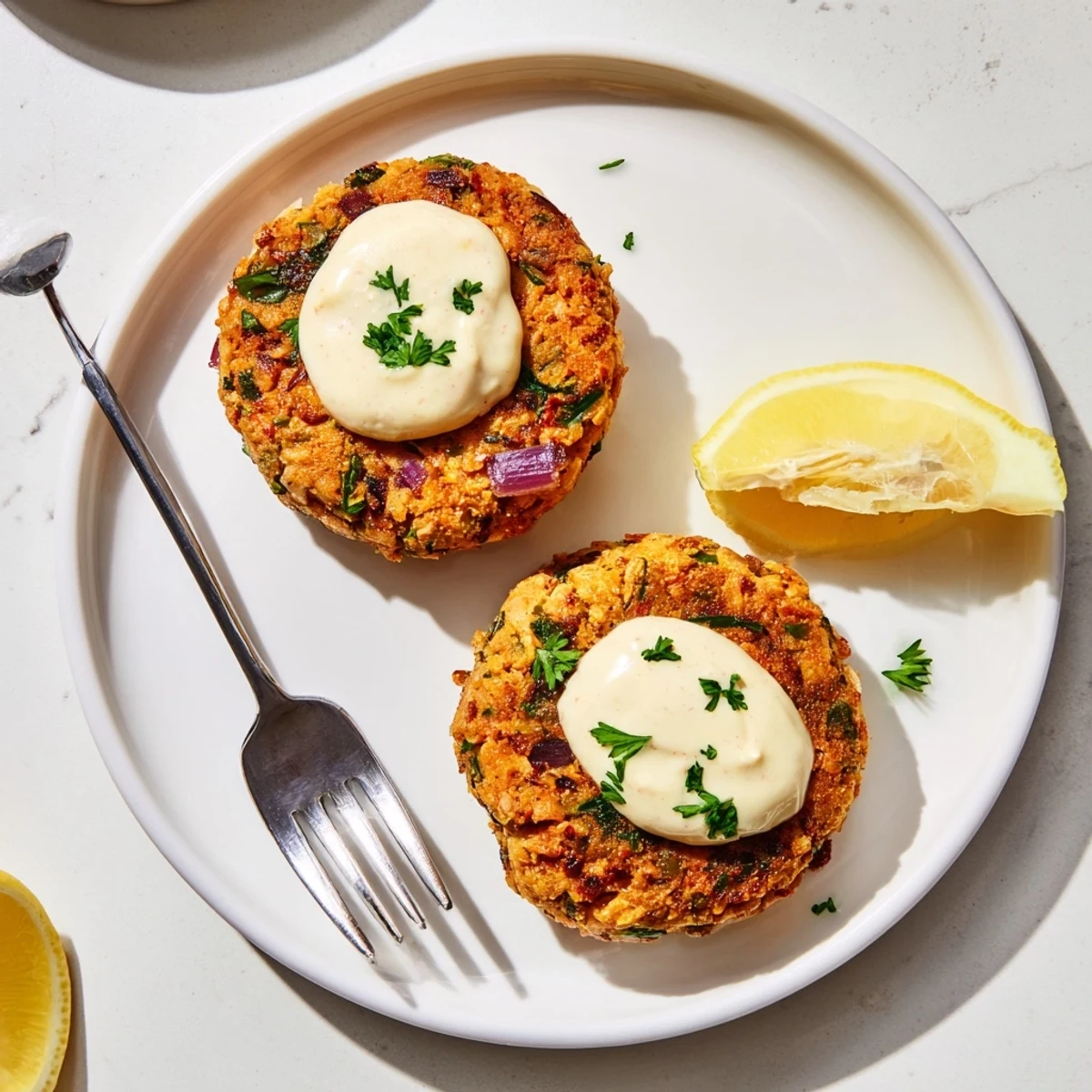
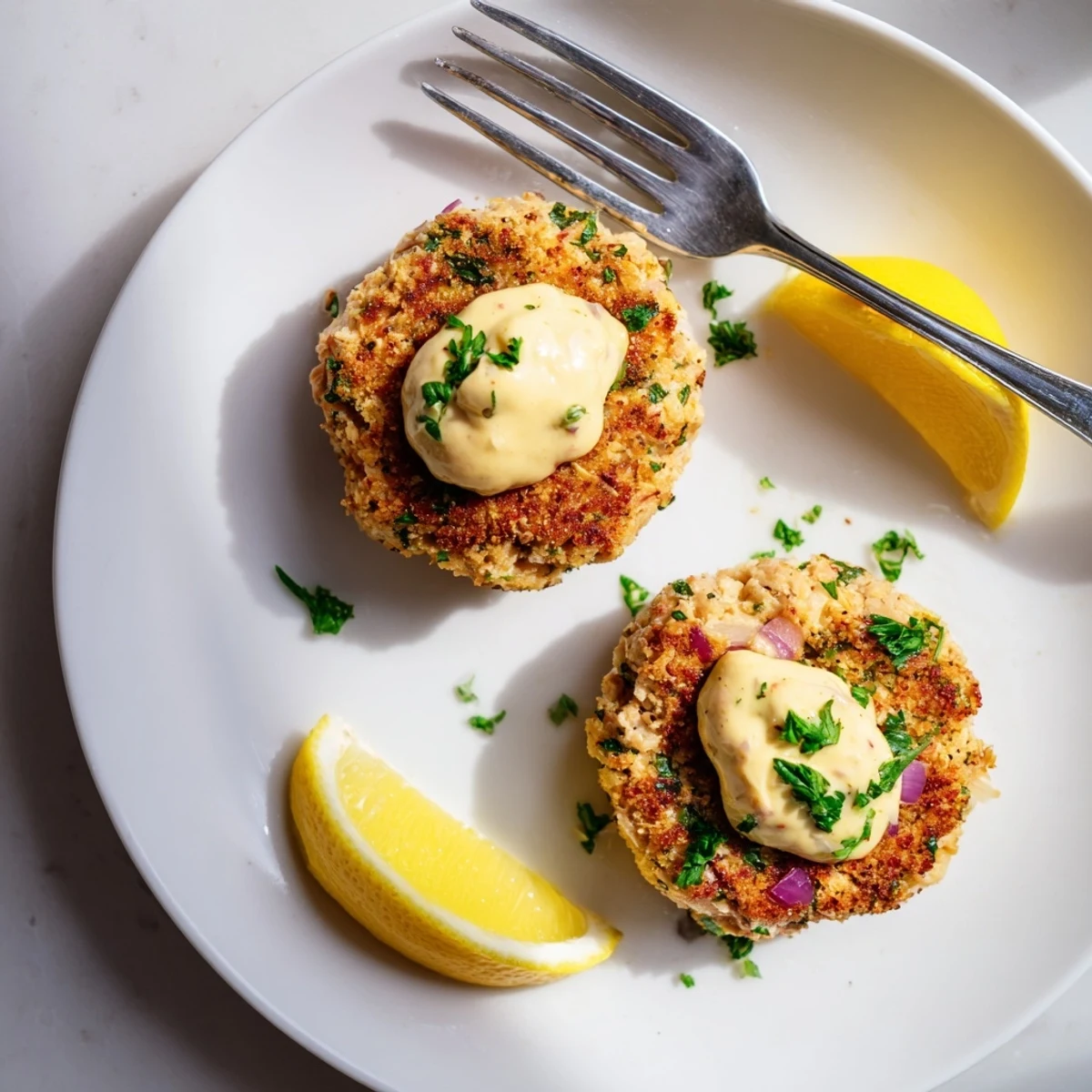
- Arrange the warm salmon cakes on a plate with a generous dollop of aioli and lemon wedges on the side, and try to share at least a few before eating them all yourself.
 Pin it
 There is something deeply satisfying about a dish that transforms simple ingredients into something that feels celebratory. These cakes have a way of turning an ordinary evening into a small event worth savoring.
Getting the Texture Right
The difference between a good salmon cake and a great one comes down entirely to how you handle the flaked fish. I learned this the hard way after pulverizing my first batch into something closer to a fish muffin than a cake. Leave those salmon pieces chunky and irregular, about the size of a thumbnail, because they create little pockets of richness throughout. The panko needs to absorb some moisture from the eggs and lemon juice before frying, so letting the mixture rest for five minutes on the counter is a small step with a big payoff.
Pairing Suggestions That Actually Work
A crisp Sauvignon Blanc or an unoaked Chardonnay is the classic move here, and for good reason, because the citrus notes in the wine mirror the lemon in the cakes beautifully. If wine is not your thing, a cold sparkling water with a squeeze of lemon does the same refreshing job. On the side, a simple arugula salad dressed with olive oil and lemon keeps things light, or you can go heartier with roasted asparagus when the weather calls for something warmer.
Making It Your Own
Once you have the basic technique down, this recipe is endlessly adaptable based on what is in your fridge or what herbs are taking over your garden.
- Swap the parsley for fresh dill or chives to completely change the personality of the cakes with almost no extra effort.
- Use gluten free panko breadcrumbs to make this safe for anyone with a gluten sensitivity without sacrificing the crunch.
- A pinch of cayenne or a dash of hot sauce in the aioli adds a welcome kick if you like things with a little more attitude.
 Pin it
 Keep this recipe close because it will rescue countless dinners when you want something wonderful without the fuss. The aioli alone is worth memorizing.
Recipe Questions & Answers
- → Can I use canned salmon instead of fresh fillets?
-
Yes, canned wild Alaska salmon works well and saves time. Drain it thoroughly and remove any bones before mixing. Skip the baking step and proceed directly to forming the patties.
- → How do I keep the salmon cakes from falling apart?
-
Use panko breadcrumbs for better binding, and don't overmix the mixture. Chilling the formed patties for 15–20 minutes before frying also helps them hold their shape during cooking.
- → What can I substitute for mayonnaise in the aioli?
-
Greek yogurt makes a lighter alternative with a similar tangy quality. For a dairy-free option, use vegan mayonnaise. You can also blend soaked cashews with lemon juice and garlic for a whole-food version.
- → Can I bake these instead of pan-frying?
-
Absolutely. Arrange the formed patties on a parchment-lined baking sheet, brush lightly with olive oil, and bake at 400°F (200°C) for about 15 minutes, flipping halfway through, until golden and crisp.
- → How should I store leftovers?
-
Store cooked salmon cakes in an airtight container in the refrigerator for up to 3 days. Reheat in a skillet over medium heat to restore crispiness. The aioli should be stored separately and consumed within 2 days.
- → Can I freeze uncooked salmon cakes?
-
Yes, freeze formed patties on a baking sheet until solid, then transfer to a freezer bag for up to 2 months. Thaw in the refrigerator overnight before cooking. Add 1–2 extra minutes per side when cooking from partially chilled.