
 Pin it
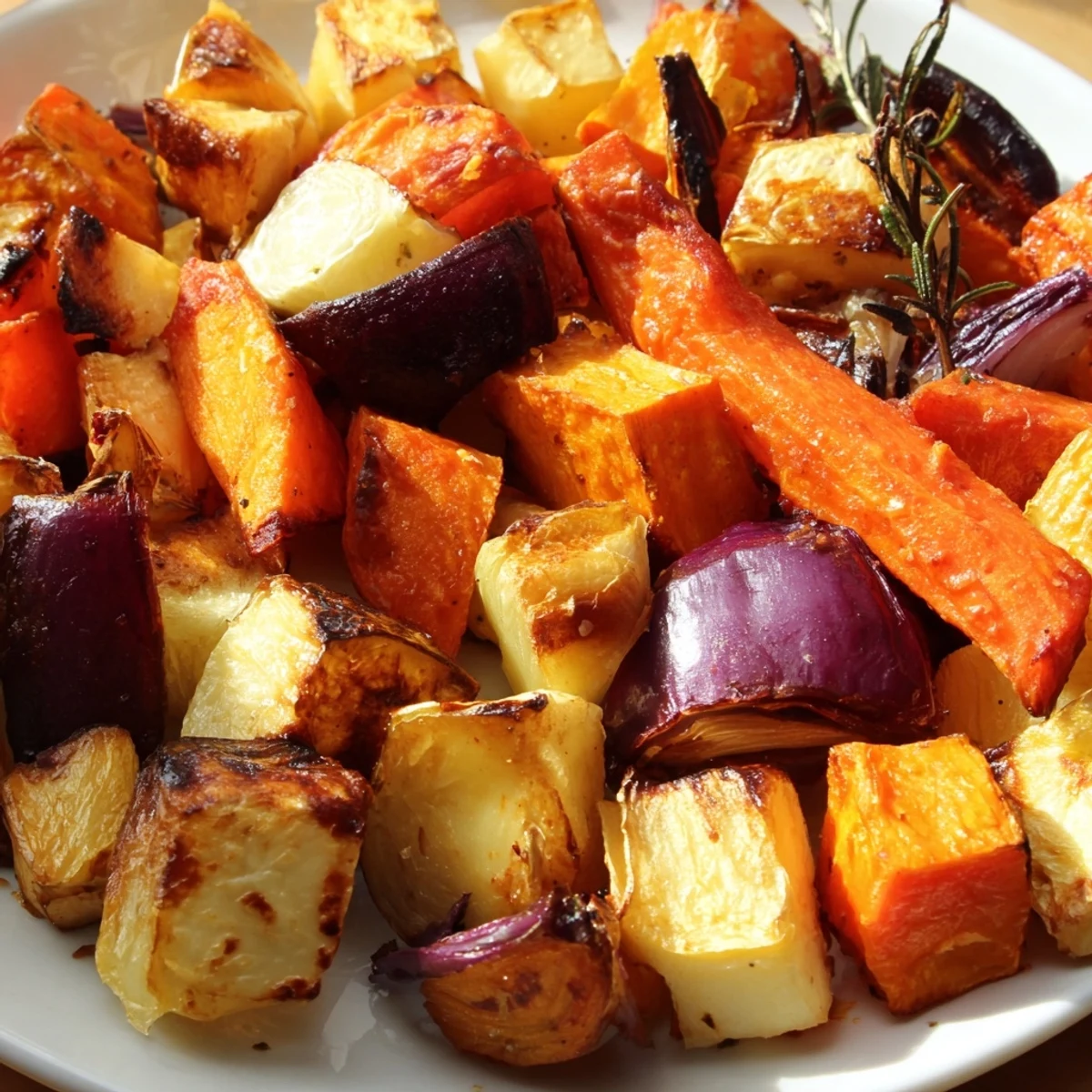
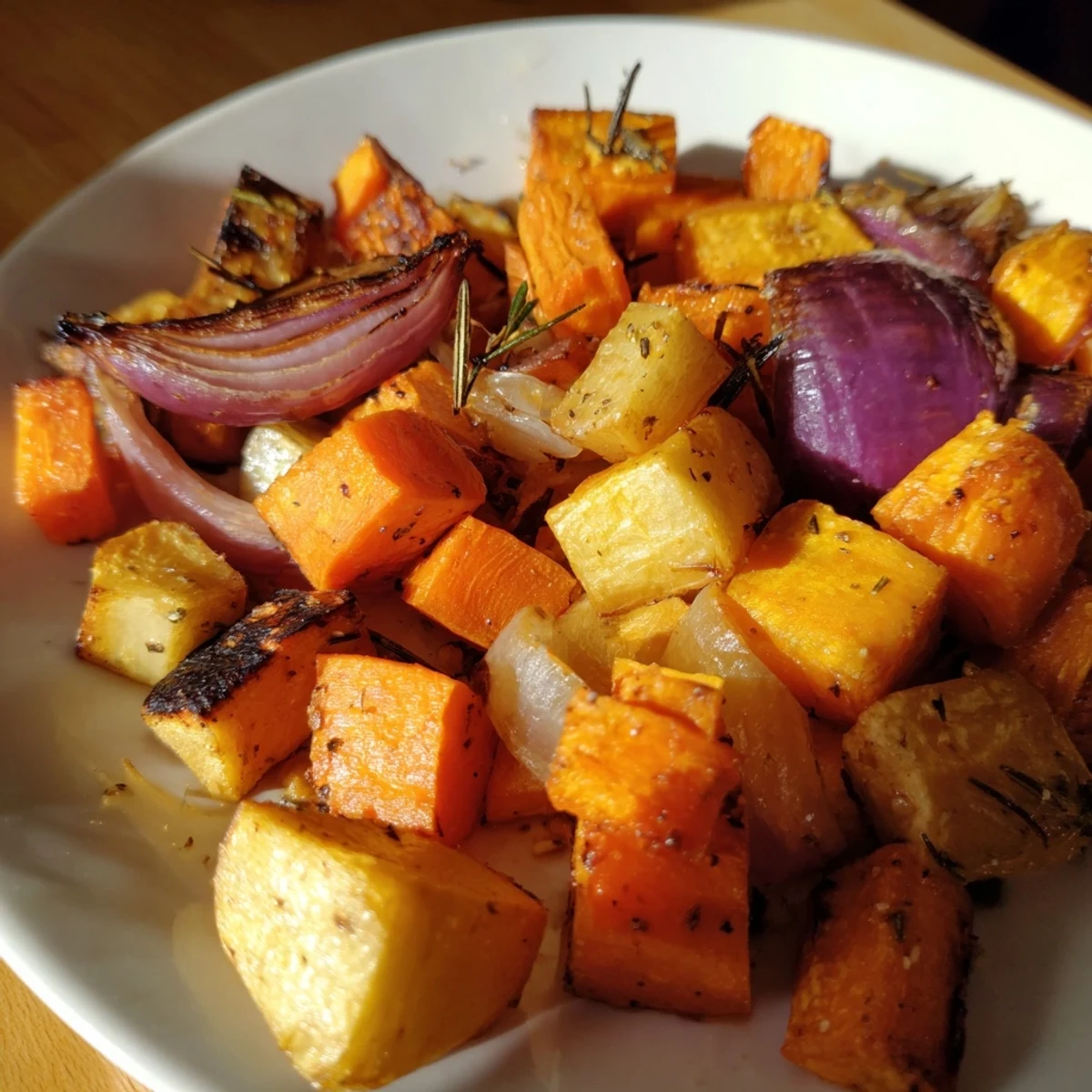
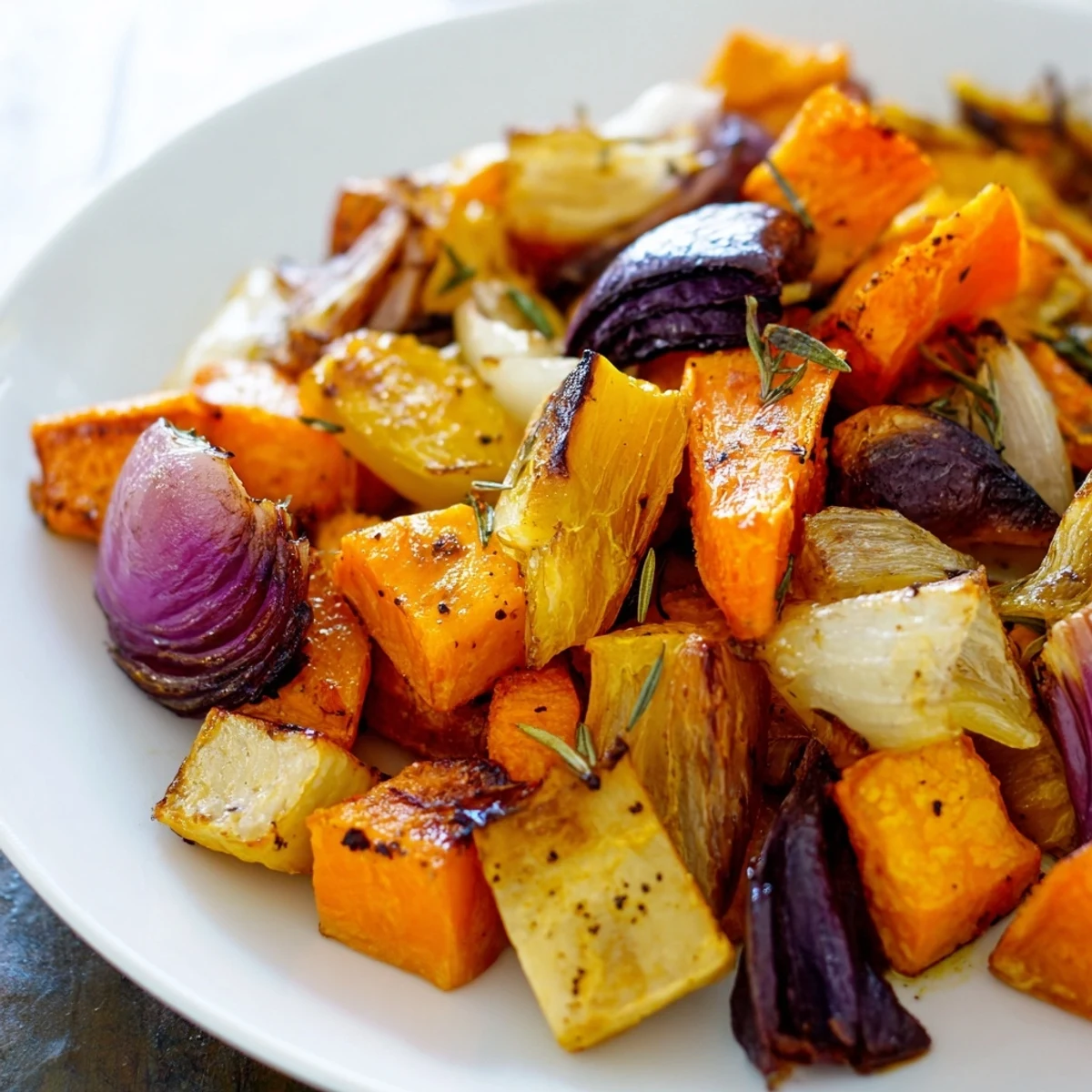
 This colorful medley combines carrots, parsnips, sweet potato, rutabaga, and red onion, roasted until tender and caramelized. Seasoned with fresh herbs and garlic, the vegetables develop rich flavors while maintaining their nutritional value.
With just 15 minutes of prep and 40 minutes in a hot oven, this versatile side dish pairs beautifully with poultry, pork, or vegetarian mains. Customize with seasonal root vegetables and finish with optional balsamic vinegar for extra depth.
My kitchen window frames our garden perfectly, and last autumn as I watched the golden leaves fall, I had an epiphany about root vegetables. The rainbow of carrots, parsnips and sweet potatoes sitting in my harvest basket weren't just ingredients - they were edible jewels from below the soil. That day, this roasted medley was born from what the earth had given us, transforming humble roots into something magnificent.
During last years holiday gathering, my brother-in-law who proudly proclaims to hate vegetables took seconds, then thirds of this dish. The table fell silent as everyone watched him pile his plate high with rutabaga and parsnips, foods hed actively avoided his entire life. When he asked for the recipe, I knew Id created something truly special that transcended typical side dish status.
Ingredients
- Root Vegetables: I find that cutting different vegetables into similar-sized pieces ensures they cook evenly, a lesson I learned after serving a medley of perfectly tender carrots alongside rock-hard rutabaga chunks.
- Fresh Herbs: Though dried herbs work in a pinch, fresh thyme and rosemary create these little pockets of aromatic flavor that burst when you bite into them.
- Minced Garlic: Fresh garlic transforms completely during roasting, mellowing from sharp and pungent to sweet and nutty - I once accidentally doubled the amount and discovered it wasnt a mistake but an improvement.
- Balsamic Vinegar: This final drizzle adds a complexity that balances the natural sweetness of the roasted vegetables, creating a perfect flavor harmony.
Instructions
- Prep with purpose:
- Try to cut your vegetables into roughly equal sizes so they cook at the same rate, aiming for about 1-inch pieces that will develop those coveted caramelized edges. I find that slightly larger sweet potato pieces work well since they cook faster than denser roots.
- Season generously:
- Use your hands to toss everything together, making sure each piece gets coated with oil and seasonings. This tactile approach connects you to the food in a way utensils simply cant.
- Arrange thoughtfully:
- When spreading vegetables on your baking sheet, resist the urge to overcrowd them. Giving each piece a bit of breathing room ensures they roast rather than steam, which is the difference between caramelized goodness and soggy disappointment.
- Watch for color cues:
- The vegetables are done when they develop golden-brown edges and can be easily pierced with a fork. Look for that visible caramelization, which signals the natural sugars have developed their fullest flavor.
- Finish with flair:
- Adding that splash of balsamic vinegar right after roasting allows it to gently steam and infuse without fully cooking away. The bright green parsley adds both visual appeal and a fresh counterpoint to the deep, roasted flavors.
 Pin it
 Last winter during a power outage, I served this medley at room temperature alongside some cheese and crusty bread. What began as a meal of necessity became a new tradition - my daughter now requests cold roasted vegetables for her school lunches, telling me the flavors are even better when they have time to meld together.
Seasonal Adaptations
The beauty of this recipe lies in its seasonality - I find myself reaching for golden beets and celery root in late autumn, while early spring calls for tender young turnips and the last of the stored winter carrots. Each season brings its own character to the dish, proving that working with natures rhythm yields the most satisfying results.
Make It A Meal
On busy weeknights, I often transform this side dish into a complete meal by adding protein right on the same pan. Twenty minutes into roasting, I push the vegetables to one side and add seasoned chicken thighs or thick slabs of tofu to the other, letting everything finish cooking together and allowing the flavors to mingle beautifully.
Storage and Leftovers
These roasted vegetables might be even better the next day, when the flavors have had time to develop further. I keep them in an airtight container in the refrigerator for up to three days, finding new ways to enjoy them with each passing meal.
- Try folding cold leftovers into a grain bowl with quinoa, a dollop of hummus, and a squeeze of lemon juice for a satisfying lunch.
- Warm leftovers make an incredible base for a quick soup - just add stock and blend half for a chunky yet creamy texture.
- Chop cold roasted vegetables finely and fold them into an omelet with a sprinkle of feta cheese for a spectacular breakfast upgrade.
 Pin it
 This humble medley has taught me that the most extraordinary dishes often come from the simplest ingredients. When you honor what grows beneath your feet with proper technique and a bit of patience, nature rewards you abundantly.
Recipe Questions & Answers
- → Can I prepare the vegetables ahead of time?
-
Yes! You can peel and cut the vegetables up to 24 hours in advance. Store them in an airtight container in the refrigerator until ready to season and roast.
- → What other vegetables work well in this dish?
-
Beets, potatoes, celery root, Jerusalem artichokes, and butternut squash all work wonderfully. Just ensure you cut harder vegetables into smaller pieces than softer ones for even cooking.
- → How do I know when the vegetables are done roasting?
-
The vegetables should be fork-tender and have caramelized, golden-brown edges. Different vegetables cook at slightly different rates, but most should be perfectly roasted after 35-40 minutes at 425°F.
- → Can I make this dish vegan?
-
This dish is already vegan as written! The olive oil provides all the richness needed, and the herbs and garlic create a wonderful depth of flavor without any animal products.
- → What's the best way to reheat leftovers?
-
Reheat leftovers in a 350°F oven for 10-15 minutes until warmed through. This maintains the vegetables' texture better than microwave reheating, though both methods work.
- → Can I add other seasonings to this dish?
-
Absolutely! Try adding cumin and paprika for a smoky profile, curry powder for an Indian twist, or za'atar for Mediterranean flavor. The base recipe is highly adaptable to different flavor profiles.