
 Pin it
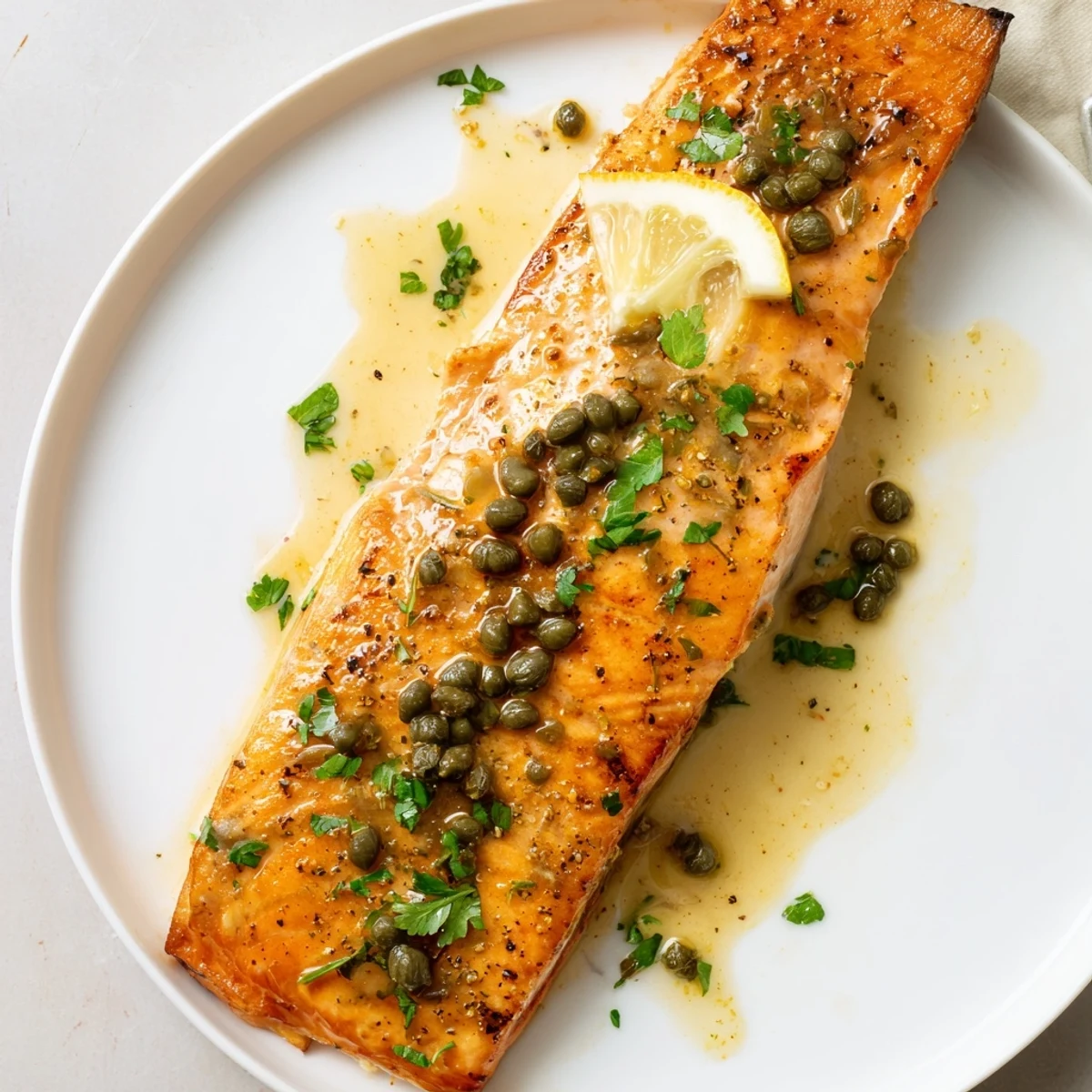
 This bright, weeknight-friendly dish takes about 30 minutes from start to finish. Salmon fillets are seasoned, optionally dredged for a crisp exterior, and pan-seared until golden. The skillet is deglazed with white wine, then simmered with lemon juice, capers and a splash of broth before finishing with butter and parsley. Serve with greens, beans, or pasta; swap gluten-free flour or skip dredging for a gluten-free finish.
The sound of capers hitting a hot pan is one of those small kitchen pleasures I never get tired of, a tiny pop and sizzle that promises something sharp and wonderful. Salmon piccata came into my life on a rainy Tuesday when the fridge offered nothing but fish and a half used jar of capers I kept forgetting about. That improvisation turned into the most requested dinner in my house, and honestly, I have never looked back since that evening.
My neighbor Linda knocked on my door one evening carrying a bottle of Pinot Grigio and asked what I was cooking because the smell had drifted through her open window. I invited her in, plated an extra fillet, and we stood in the kitchen eating salmon piccata straight from the skillet while her wine chilled in the freezer. We laughed about how the fanciest meals sometimes happen with zero planning and paper napkins.
Ingredients
- 4 salmon fillets, skinless, about 150 to 180 g each: Try to pick fillets of similar thickness so they cook evenly without any guesswork.
- Salt and black pepper: Season generously on both sides because the flour coating will mute it slightly.
- 2 tbsp all purpose flour: A light dredge gives the salmon a golden crust that holds up to the sauce, but you can skip it entirely if you prefer.
- 2 tbsp olive oil: Use a decent quality oil here since it is a main cooking fat and flavor base.
- 2 tbsp unsalted butter: Divided between searing the fish and building the sauce, butter adds richness that olive oil alone cannot replicate.
- 2 garlic cloves, minced: Fresh garlic makes a real difference in a sauce this simple.
- 120 ml dry white wine: Pinot Grigio or Chardonnay work beautifully, and you can drink the rest with dinner.
- 60 ml fresh lemon juice: Roll the lemons on the counter before juicing to get every last drop out of them.
- 3 tbsp capers, drained: These little buds are the soul of piccata, so do not skimp on them.
- 60 ml low sodium chicken or fish broth: Rounds out the sauce and keeps it from being too sharp.
- 2 tbsp chopped fresh parsley: Added at the very end for a burst of color and freshness.
- Lemon slices for garnish: Entirely optional but they make the plate look like you tried harder than you did.
Instructions
- Prep the fish:
- Pat the salmon completely dry with paper towels and season both sides well with salt and pepper. If using flour, dust each fillet lightly and shake off every bit of excess because too much flour turns gummy in the pan.
- Sear the salmon:
- Heat olive oil and one tablespoon of butter in a large skillet over medium high heat until the butter stops bubbling. Lay the fillets in gently and cook three to four minutes per side until you see a deep golden crust, then transfer them to a plate and tent loosely with foil.
- Wake up the garlic:
- Drop the remaining tablespoon of butter into the same hot pan and add the minced garlic. Stir for about thirty seconds just until your kitchen smells incredible and the garlic turns barely golden at the edges.
- Build the sauce:
- Pour in the wine and scrape up every golden bit stuck to the bottom of the pan because that is concentrated flavor. Add the lemon juice, capers, and broth, then let everything bubble and reduce for two to three minutes until it coats the back of a spoon.
- Bring it all home:
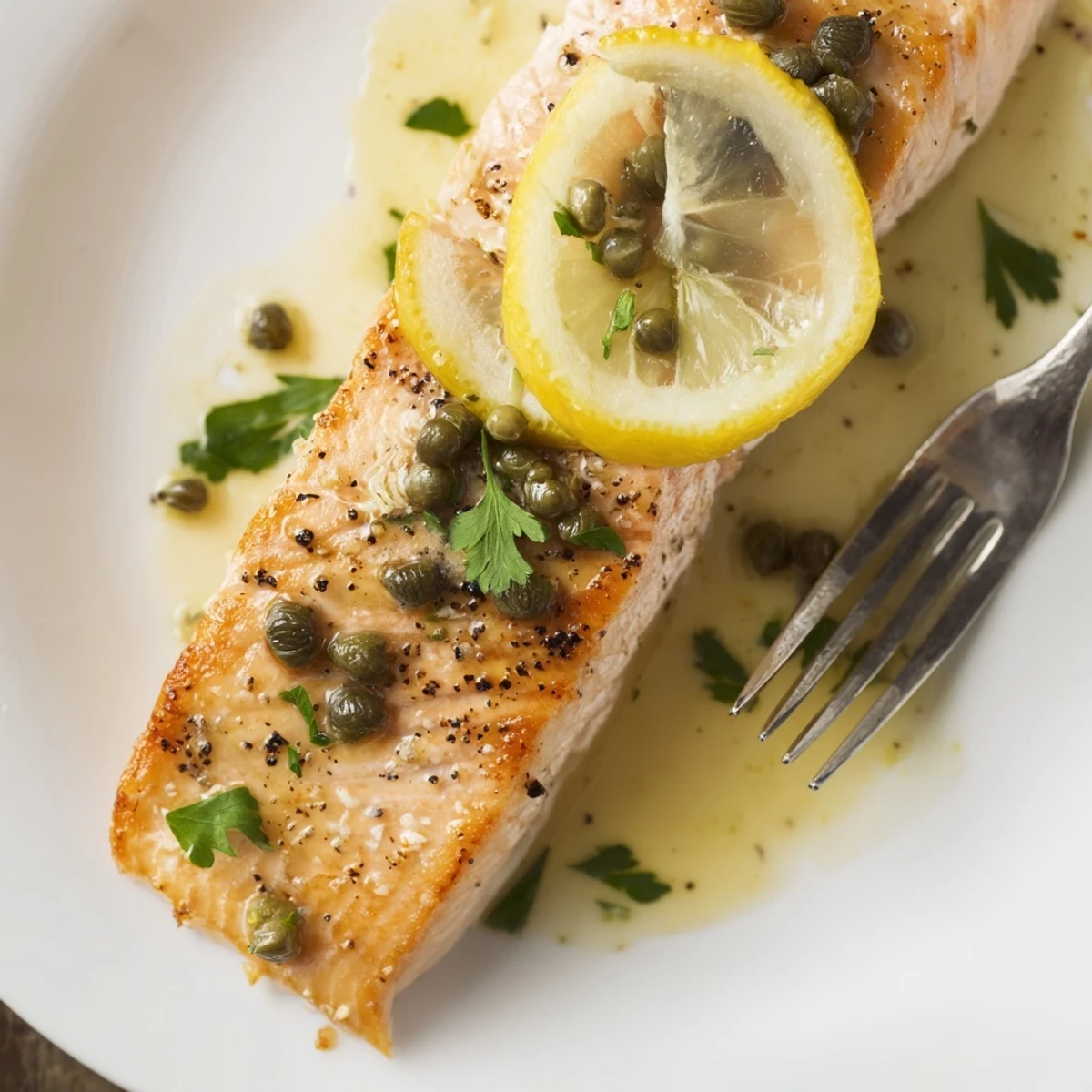
- Slide the salmon back into the skillet and spoon the bubbling sauce over the top for a minute or two until the fish is warmed through. Hit it with fresh parsley, lay down some lemon slices if you are feeling fancy, and serve right away while the sauce is still singing.
 Pin it
 I once made this for my friend Marco who grew up eating his nonnas veal piccata in Brooklyn, and he went quiet after the first bite in a way that made me nervous. Then he looked up and said the sauce reminded him of Sunday dinners at home, and I realized food does not need to be traditional to carry that kind of warmth.
What to Serve Alongside It
Angel hair pasta is the obvious choice because it catches every drop of that lemony sauce, but sauteed spinach or steamed green beans work just as well if you want something lighter. A hunk of crusty bread on the side never hurts either, especially when someone at the table decides to mop the skillet clean.
Picking the Right Wine
Whatever you pour into the sauce should be something you would happily drink, so grab a Pinot Grigio for clean brightness or a lightly oaked Chardonnay if you want a rounder flavor. I learned the hard way that cooking wine from the grocery shelf adds nothing but salt and regret to a dish this fresh.
Handling Salmon Without Fear
A thick fillet can feel intimidating to cook properly but salmon is actually quite forgiving when you pay attention to visual cues rather than timers. Let the color creep up the sides as it cooks and flip it when the bottom two thirds look opaque. Rest it on a warm plate while you make the sauce because carryover heat will finish the job perfectly.
- Take the fish out of the fridge fifteen minutes before cooking so it hits the pan closer to room temperature.
- Use a thin spatula and flip with confidence because hesitation is what causes breakage.
- Remember that salmon continues cooking as it rests, so pull it just before you think it is done.
 Pin it
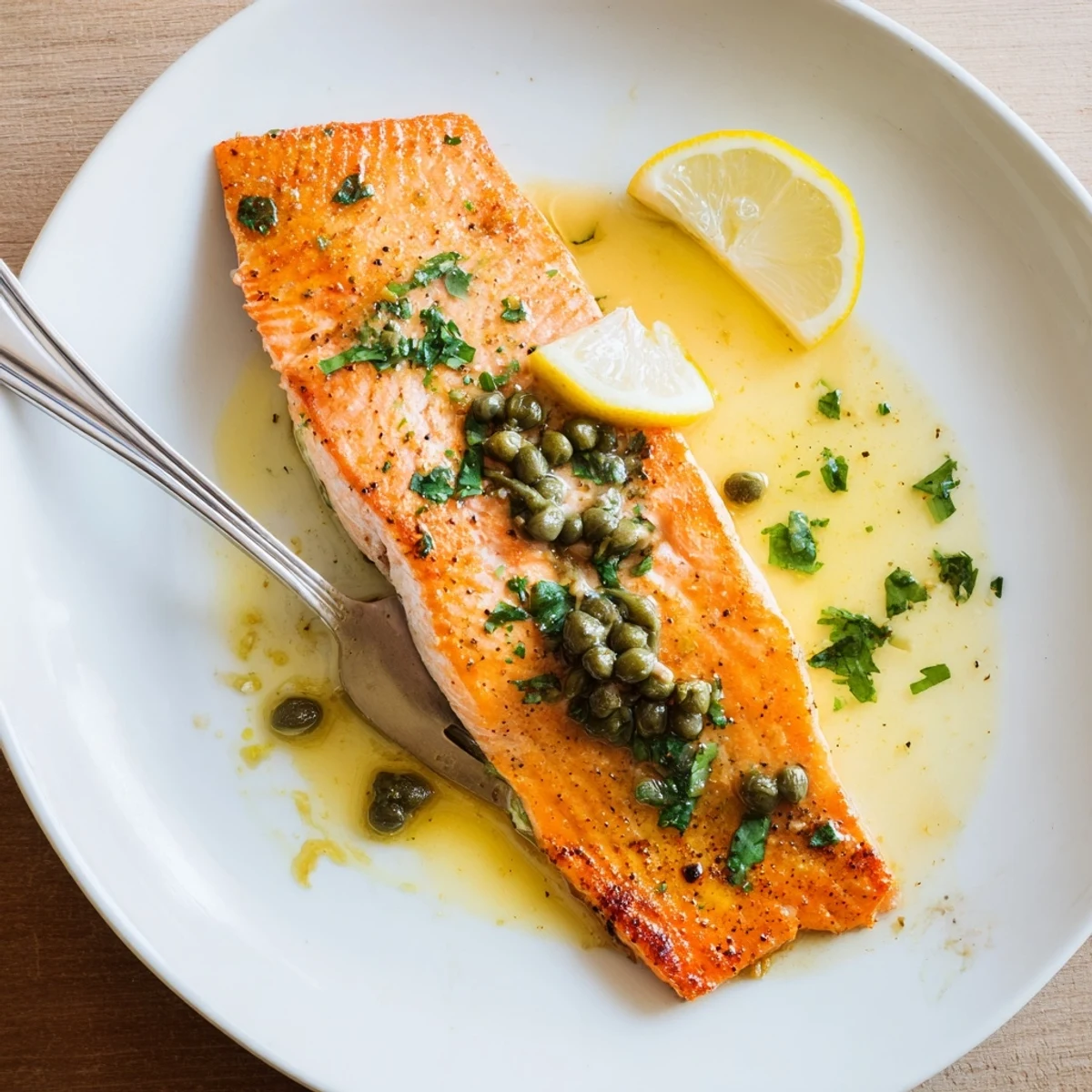
 This is the kind of recipe that turns an ordinary weeknight into something worth sitting down for, plates gathered around the table, sauce pooled at the bottom, and not a single leftover in sight.
Recipe Questions & Answers
- → What pan works best for searing salmon?
-
A heavy-bottomed skillet or stainless-steel pan holds heat well and gives a golden crust. Nonstick can work for delicate handling, but a hot stainless or cast-iron pan yields better browning.
- → Can I cook this with skin-on salmon?
-
Yes. Start skin-side down and press gently to keep contact with the pan until crisp, then flip briefly to finish. Reduce initial sear time to avoid overcooking the flesh.
- → How do I make the dish gluten-free?
-
Either use a gluten-free flour for a light dredge or skip the flour step entirely; the sauce and sear still deliver excellent texture and flavor without wheat-based coating.
- → What can I use instead of white wine?
-
Low-sodium chicken or fish broth with a splash of white wine vinegar or extra lemon juice can replace wine. Use about the same volume and taste as you simmer to balance acidity.
- → How can I tell when the salmon is done?
-
Salmon should flake easily with a fork and be opaque through most of the fillet. For a precise check, remove at 125–130°F (52–54°C) for medium; carryover heat will finish it.
- → Any tips for a glossy, well-emulsified sauce?
-
Finish the sauce off-heat by whisking in a bit of cold butter or swirling it into the pan to create a glossy, slightly thickened emulsion that coats the salmon nicely.