
 Pin it
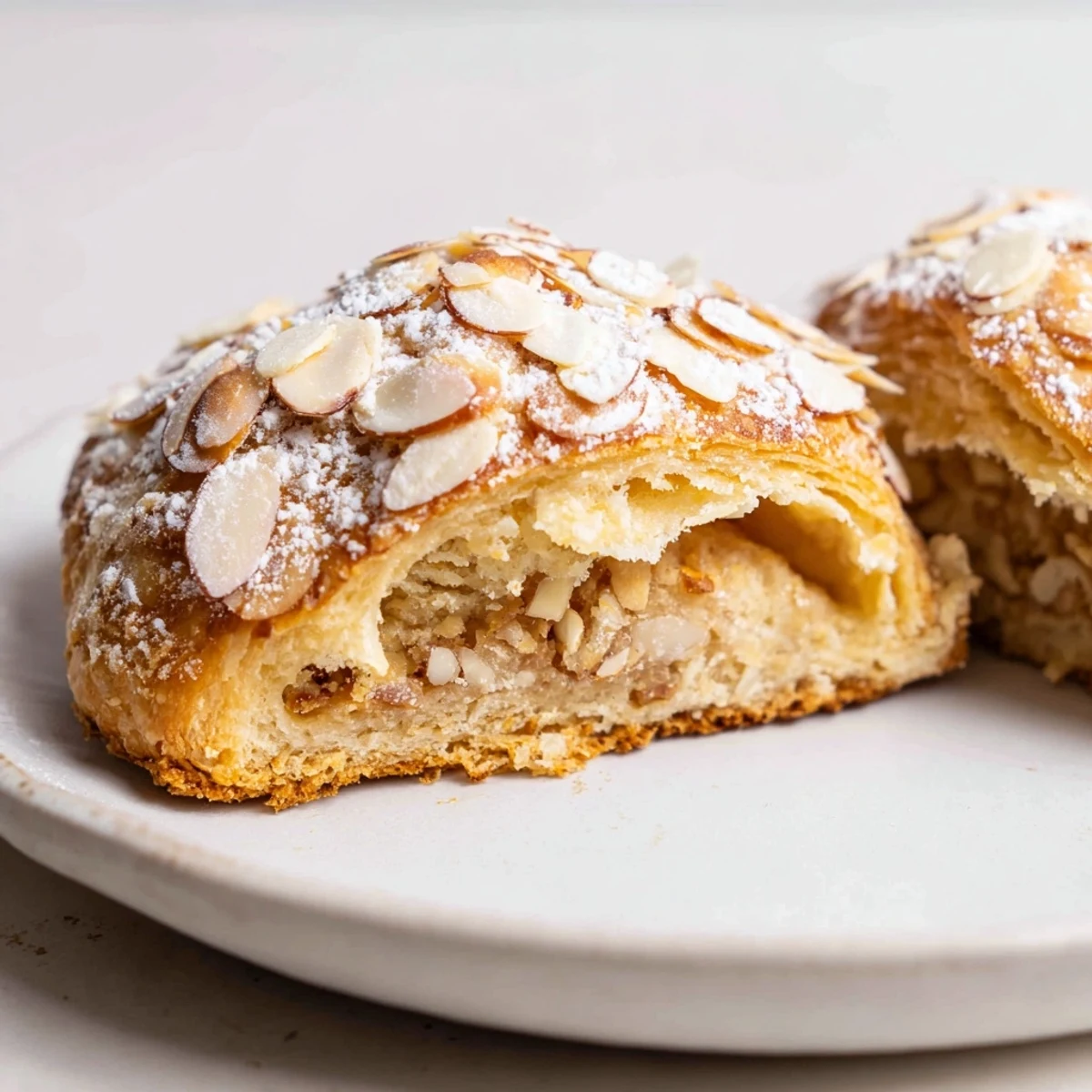
 These tender, buttery almond croissant cookies start with a soft butter-and-sugar dough chilled briefly for easier shaping. A rich almond paste is placed in the center of each portion, then the dough is folded into a crescent and topped with sliced almonds. Bake at 350°F for 13–15 minutes until edges are golden; cool on a rack and dust with powdered sugar. For extra flakiness, swap half the flour for finely ground almonds and avoid overmixing.
The rain was hammering against the kitchen window the afternoon I got obsessed with folding almond paste into butter cookie dough. I had been staring at a half eaten almond croissant from the bakery down the street, wondering why I could not just put those flavors into something I could make twenty four of and keep in a jar. Three batches later, with flour dusted across my counter and my cat watching from a safe distance, these crescent shaped little things finally clicked. The outside goes golden and slightly crisp, and the center stays soft with a sweet almond paste that tastes like it took far more effort than it actually did.
My neighbor stopped by unannounced one weekend while a tray of these was cooling on the rack, and she ended up sitting at my kitchen table eating three of them with her coffee before she even took her coat off. I sent her home with a small bag of them, and two days later she texted me asking if I would make them for her book club. I said only if I could come too.
Ingredients
- Unsalted butter (1 cup, 225 g, softened): Good butter makes or breaks these cookies, so use the real stuff and let it come to room temperature naturally rather than microwaving it into a greasy puddle.
- Granulated sugar (3/4 cup, 150 g): Standard white sugar works best here, giving the dough structure without making it too sweet since the filling adds its own sweetness.
- Large egg (1, for dough): Binds everything together and adds richness to the base cookie.
- Vanilla extract (1 tsp): A quiet background note that rounds out the almond flavor without competing with it.
- All purpose flour (2 cups, 250 g): Spoon and level it gently, because packed flour turns these from tender into tough.
- Baking powder (1/2 tsp): Just a small amount gives the cookies a gentle lift without puffing them into something unrecognizable.
- Salt (1/4 tsp, for dough): Salt is the thing that makes butter taste more like itself, so do not skip it even if you are tempted.
- Finely ground almonds (1 cup, 100 g, for filling): Almond meal or finely processed blanched almonds both work, but the finer the grind, the smoother your filling will be.
- Granulated sugar (1/2 cup, 100 g, for filling): Sweetens the filling and helps it set into that soft, almost marzipan like center.
- Large egg (1, for filling): Combines with the ground almonds and sugar to create a spreadable paste that bakes into something magical.
- Unsalted butter (2 tbsp, softened, for filling): A small amount of butter in the filling makes it richer and helps it stay creamy inside the cookie.
- Almond extract (1/2 tsp): This is where the real croissant flavor comes from, so use pure almond extract if you can find it.
- Salt (pinch, for filling): Balances the sweetness and deepens the nutty flavor of the almonds.
- Sliced almonds (1/2 cup, 40 g, for topping): Pressed gently on top before baking, they toast up and give each cookie a satisfying little crunch.
- Powdered sugar (for dusting): A snowy dusting at the end mimics that classic powdered sugar finish on a French almond croissant.
Instructions
- Get the oven ready:
- Preheat your oven to 350°F (175°C) and line two baking sheets with parchment paper so nothing sticks and cleanup stays painless.
- Cream the butter and sugar:
- Beat the softened butter and granulated sugar together in a large bowl until the mixture looks pale, light, and visibly fluffy, which usually takes about two minutes with an electric mixer.
- Add the egg and vanilla:
- Pour in the egg and vanilla extract, then beat until everything is smoothly combined and the mixture looks uniform.
- Build the dough:
- Whisk the flour, baking powder, and salt together in a separate bowl, then gradually add the dry ingredients to the butter mixture, stirring until a soft dough just comes together. Pop it in the fridge while you make the filling.
- Whip up the almond filling:
- Stir together the ground almonds, sugar, egg, butter, almond extract, and a pinch of salt in a small bowl until you have a thick, spreadable paste that smells like a bakery.
- Shape the cookies:
- Scoop about one tablespoon of dough, flatten it gently in your palm, and place half a teaspoon of almond filling in the center before folding the dough around it and forming a little crescent shape with your fingers.
- Add the almond topping:
- Arrange the shaped cookies on the prepared baking sheets and gently press a few sliced almonds onto the top of each one so they adhere as the cookies bake.
- Bake until golden:
- Bake for 13 to 15 minutes until the edges turn a warm golden color, then let them rest on the baking sheets for five minutes before moving them to a wire rack to finish cooling.
- Finish with powdered sugar:
- Once the cookies are completely cool, dust them generously with powdered sugar using a small sieve or sifter for that classic French bakery look.
 Pin it
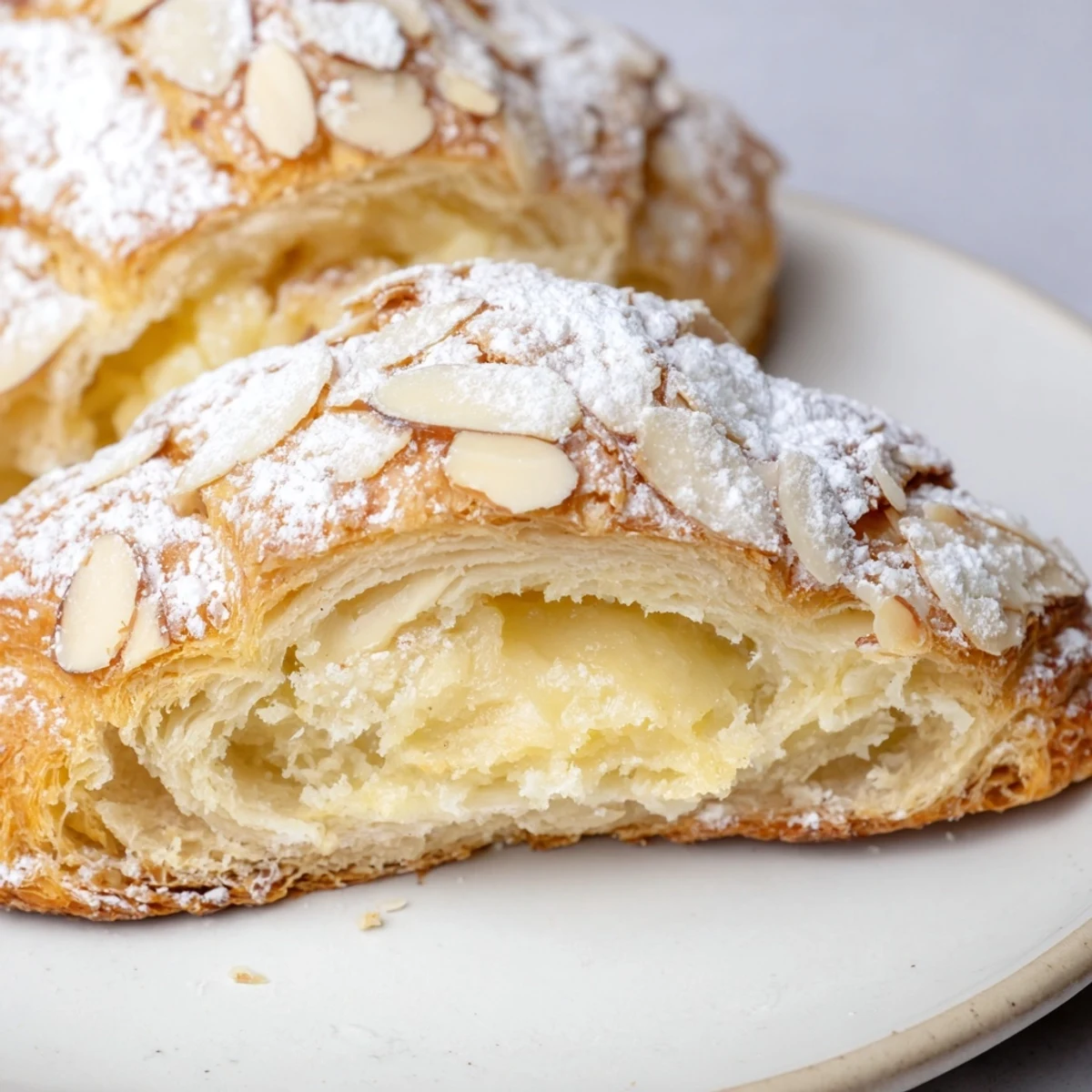
 The first time I arranged these on a proper plate and dusted them with powdered sugar, my kitchen suddenly smelled exactly like that little bakery I wandered into on a side street in Lyon years ago, and for a moment I was not in my rain streaked apartment at all.
What to Expect from This Dough
The dough is deliberately soft, almost scoopable, which is what makes the final cookie so tender. If it feels too sticky to handle after chilling, lightly flour your palms and work quickly so the butter does not warm up. The filling thickens as it sits, so if it seems loose at first, give it five minutes and it will come together perfectly.
Serving Ideas
These cookies were practically made for a cup of strong coffee or a pot of Earl Grey tea, because the bitter edge of the drink cuts through the sweet almond filling beautifully. I have also crumbled one over vanilla ice cream on nights when one dessert felt insufficient, and I can confirm it is an excellent decision.
Storing and Making Ahead
The baked cookies keep well in an airtight container at room temperature for up to four days, though the powdered sugar may need a quick refresh before serving if it absorbs into the surface. You can also freeze the unbaked shaped cookies on a tray until solid, then transfer them to a bag for up to two months, baking them straight from frozen with just an extra minute or two added to the time.
- Wait until the cookies are completely cold before storing them, or the steam will make them soggy and soften the sliced almond topping.
- A sheet of parchment between layers prevents the powdered sugar from smearing onto the cookies below.
- These taste even better the next day once the almond flavor has had time to settle and deepen throughout the filling.
 Pin it
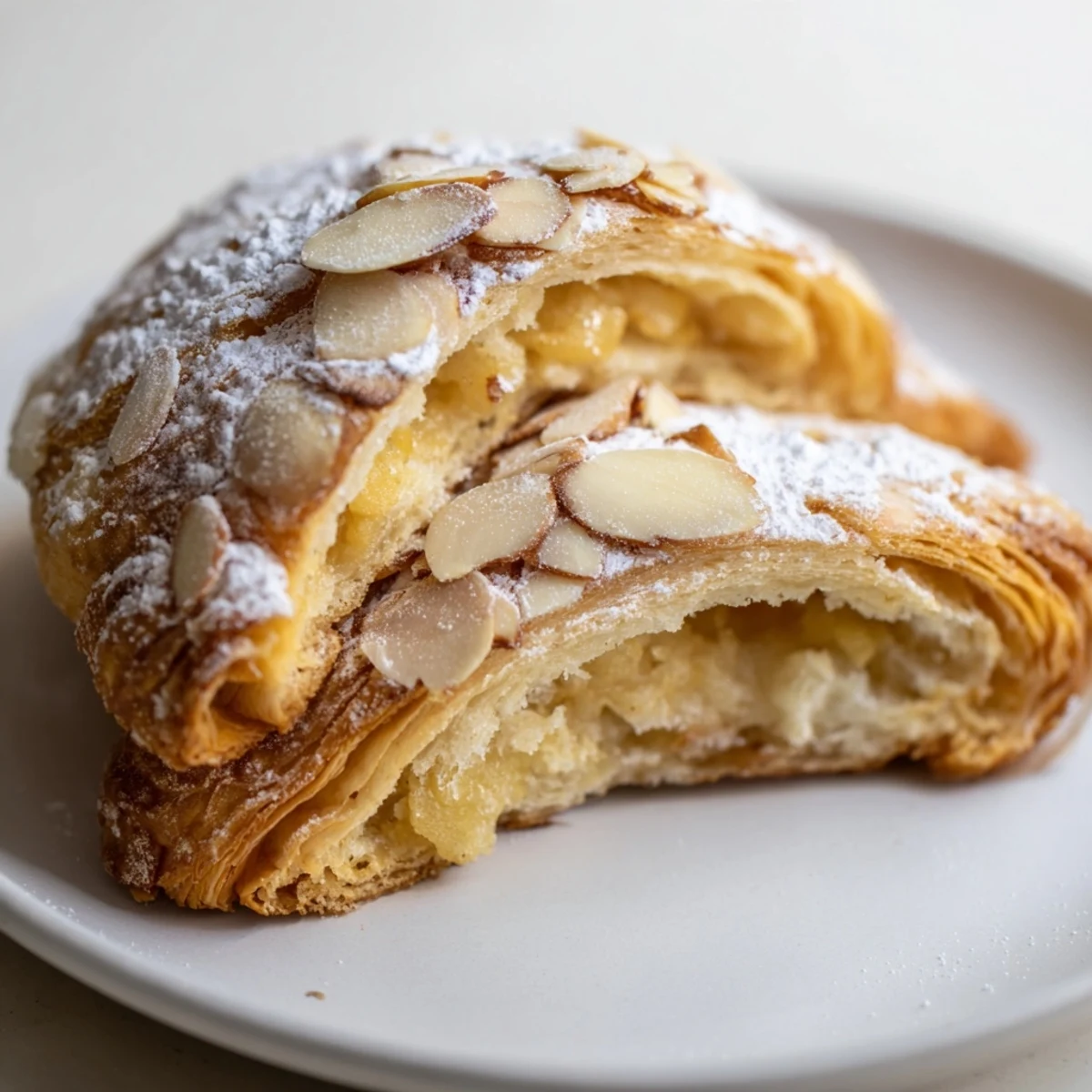
 Some recipes you make once and forget, but these have a way of becoming the thing people ask you to bring to every gathering from here on out. Keep the recipe close, because you will be sharing it.
Recipe Questions & Answers
- → What type of almonds work best?
-
Use finely ground almonds or almond meal for the filling to get a smooth, spreadable texture. Toasting the almonds lightly before grinding deepens the flavor. If using almond flour in the dough, choose a blanched, fine variety to maintain a tender crumb.
- → How do I achieve a flakier texture?
-
Keep handling to a minimum and chill the dough before shaping. Replacing up to half the all-purpose flour with finely ground almonds adds flakiness and a tender, crumbly bite. Avoid overmixing once the flour is incorporated.
- → Can I prepare these ahead or freeze them?
-
You can shape and freeze unbaked cookies on a tray until firm, then transfer to a sealed bag; bake from frozen, adding a couple of minutes to the time. Baked cookies keep in an airtight container for up to 4 days; refresh briefly in a low oven if needed.
- → How should I store leftovers?
-
Store cooled cookies in an airtight container at room temperature for up to four days. Separate layers with parchment to prevent sticking and keep them in a cool, dry place away from direct sunlight.
- → Any good nut-free substitutions?
-
For a nut-free option, swap almond meal with finely ground sunflower seeds or pumpkin seeds and replace almond extract with a touch of vanilla and a hint of orange zest. Be cautious about cross-contact if serving someone with severe nut allergies.
- → What’s the ideal bake time and signs of doneness?
-
Bake at 350°F (175°C) for 13–15 minutes. Look for golden edges and a lightly set top; centers will firm slightly as they cool. Rotate sheets halfway through for even coloring and cool on the pans for a few minutes before transferring to a rack.
- → How do I shape the crescent (croissant) form?
-
Scoop about a tablespoon of dough, flatten it in your palm, place a small spoonful of almond filling in the center, then fold the dough over and gently roll into a crescent. Press sliced almonds on top before baking to help them adhere.