
 Pin it
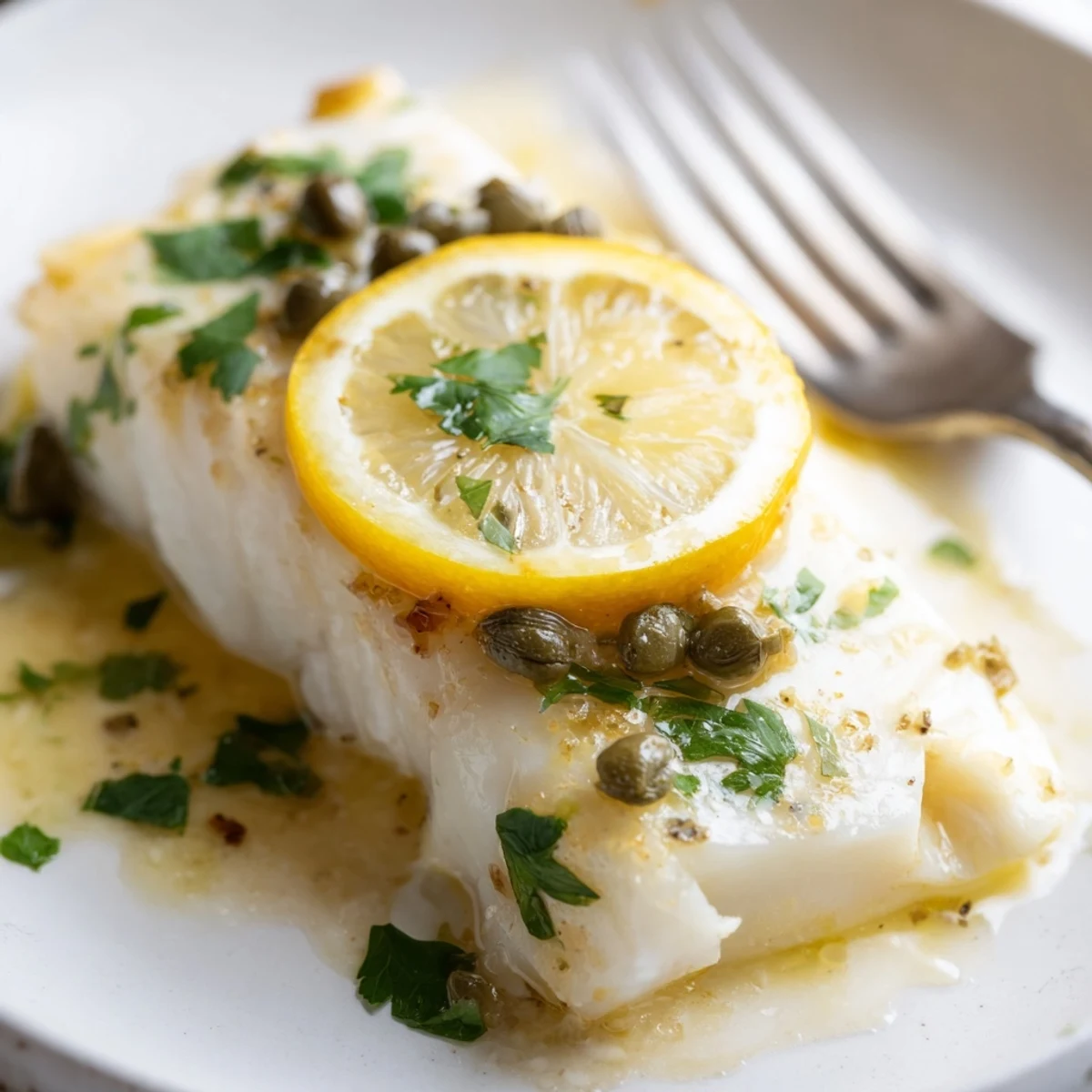
 This dish features tender halibut fillets baked until flaky and juicy. A rich lemon-caper sauce, blended with butter, garlic, and parsley, adds a vibrant burst of flavor. The citrusy tang of lemon complements the subtle brininess of capers, enhancing the mild fish. Easily prepared in under 30 minutes, it’s a balanced and elegant option for weeknight dinners or special occasions. Serve with steamed vegetables or roasted potatoes for a complete meal.
There's something about the smell of lemon and butter hitting a hot oven that makes everything feel intentional and a little fancy, even on a Tuesday night. I discovered this halibut dish years ago when a neighbor left a basket of the most gorgeous fresh fish at my door—she'd been fishing early that morning and insisted I use it the same day. I panicked for exactly two minutes before remembering I had capers lurking in the back of my fridge, and this came together so naturally that it's been on rotation ever since. It's the kind of meal that feels like you fussed, but honestly tastes better the less you overthink it.
I made this for my partner the night they got promoted, and they were so hungry they didn't even wait for the sides—just straight halibut and sauce, with me laughing from across the table. The whole kitchen smelled incredible, and somehow that aroma made the whole moment feel celebratory. I've cooked it dozens of times since, and it always lands the same way: simple, satisfying, and somehow special.
Ingredients
- Halibut fillets (4, 6 oz each): Choose fillets that are roughly the same thickness so they cook evenly; ask your fishmonger to do this if needed since one thick chunk and one thin slice will never finish at the same time.
- Olive oil (2 tbsp): This carries the lemon and salt into the fish, so use one you actually like the taste of—not the cheapest bottle.
- Lemon, zested and juiced: The zest gives you brightness and texture while the juice tenderizes the fish slightly; buy an extra lemon because you'll want it for garnish.
- Salt and black pepper: Don't skip the freshly ground pepper; it makes a real difference in the final bite.
- Unsalted butter (2 tbsp, melted): Melted means you can whisk it easily into the sauce without clumping; cold butter would just seize up.
- Capers (2 tbsp, rinsed and drained): The rinsing step is non-negotiable because straight-from-the-jar they're too salty and will throw off your whole sauce.
- Fresh parsley (2 tbsp, finely chopped): Tear it by hand if you don't have a knife handy; it stays fresher-tasting that way.
- Garlic clove (1, minced): One clove is barely noticeable, which is exactly the point—you want it as background flavor, not a shout.
- Dijon mustard (1/2 tsp, optional): This adds a subtle tang and helps emulsify the sauce if you're nervous about it breaking; skip it if you prefer pure lemon-forward flavor.
- Lemon slices for garnish: They look beautiful and people actually eat them, which adds a sharp little burst at the end.
Instructions
- Set yourself up for success:
- Preheat your oven to 400°F and get a baking dish ready with just a light coating of oil or cooking spray. Having everything prepped before you touch the fish means you're not fumbling around while it sits exposed to air.
- Dry the fillets thoroughly:
- Pat each halibut fillet with paper towels until it's genuinely dry to the touch; wet fish steams instead of developing that delicate golden edge you're after. Don't be shy with the paper towels here.
- Build the marinade:
- Whisk together olive oil, lemon zest, juice, salt, and pepper in a small bowl, and pour it evenly over the fish. You're distributing flavor as the fish cooks, not marinating it—this happens fast.
- Bake with confidence:
- Slide the dish into the oven and set a timer for 15 minutes; at that point, check if the thickest part flakes easily with a fork. The residual heat will keep cooking it for another minute or two after you pull it out, so don't overbake waiting for perfection.
- Make the sauce while the fish cooks:
- Melt butter in a small saucepan over low heat, then add capers, minced garlic, parsley, and mustard if you're using it. Warm everything through gently for just a minute or two—this is about marrying flavors, not cooking them down.
- Finish and serve immediately:
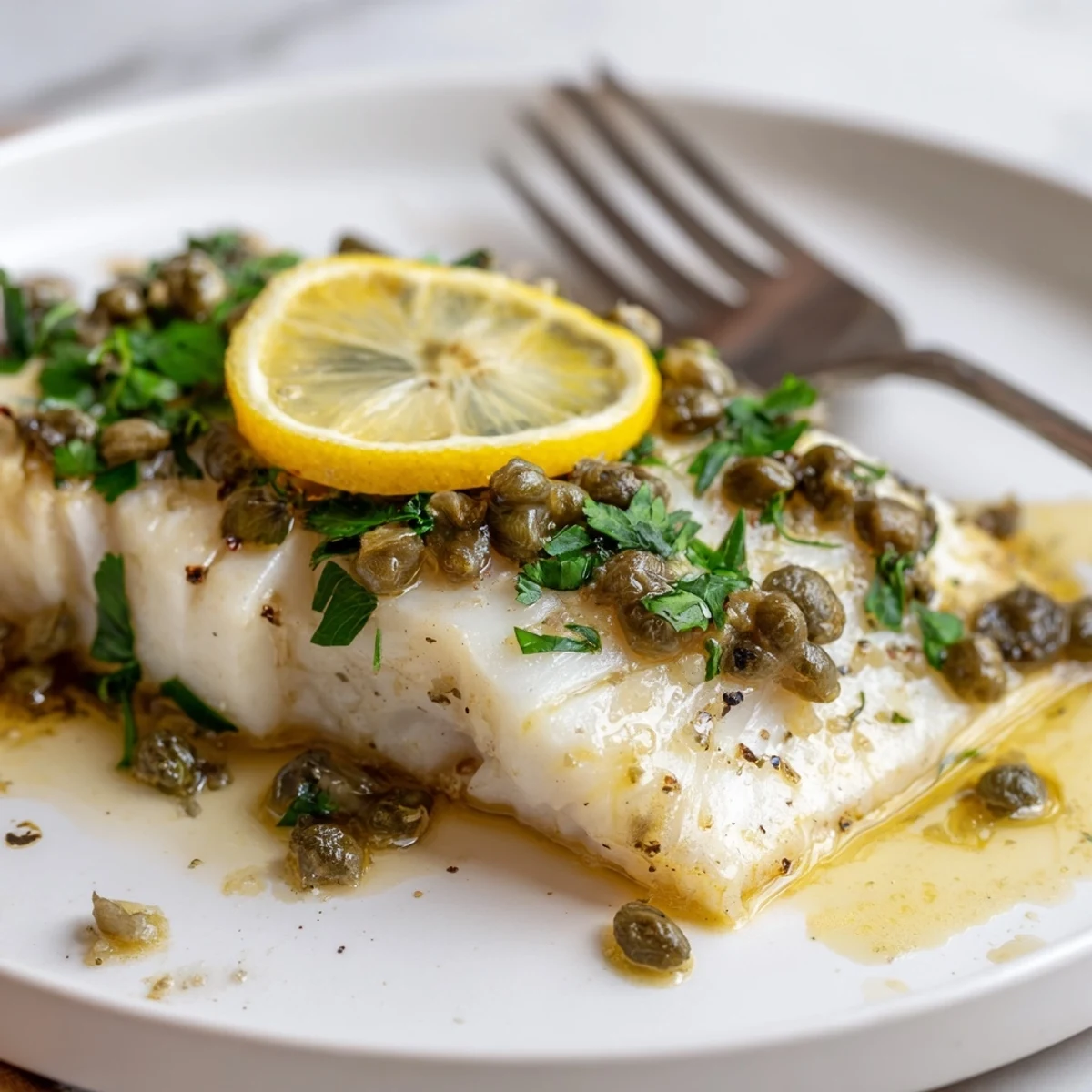
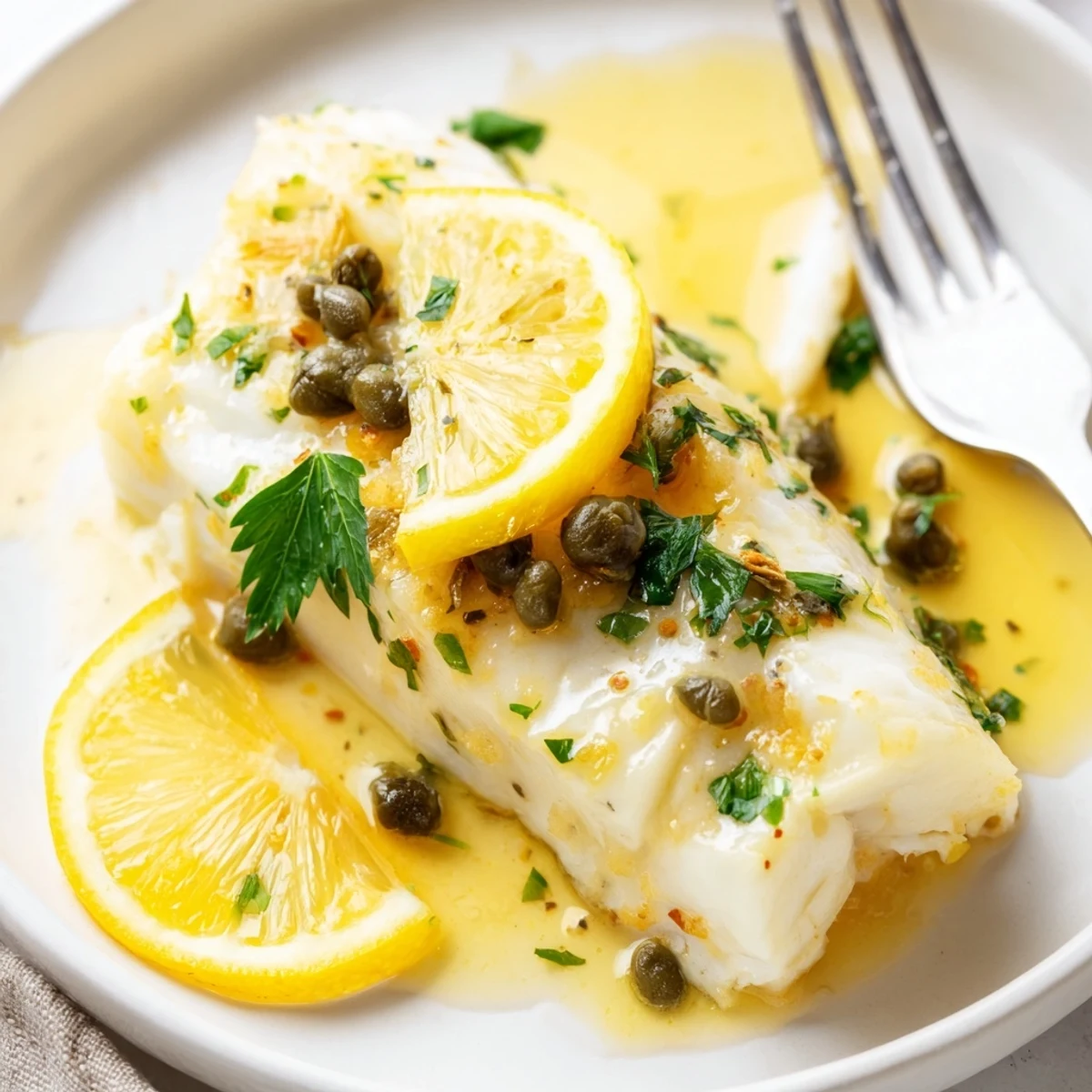
- Spoon the warm sauce generously over each fillet and top with lemon slices and a pinch of extra parsley. The fish is best eaten while it's still warm and the sauce hasn't cooled.
 Pin it
 The best part about this dish is how it transforms a random Tuesday into something that feels deliberate and a little luxurious. Every time I've made it, even when I was rushing or stressed, something about the smell of lemon and fish in the oven has a way of settling my mind.
Why Halibut Works
Halibut is forgiving in a way that some fish aren't—it stays moist and doesn't have a strong fishy taste that can overpower delicate seasonings. The flesh is thick enough to hold up to the lemon-caper sauce without falling apart, and the mild flavor actually lets the sauce shine instead of competing with it. I've tried this with cod and haddock when halibut was expensive or hard to find, and both work beautifully, but halibut's a little buttery in a way that feels right here.
Building the Perfect Sauce
That lemon-caper combination is magic because capers bring salt, briny intensity, and little bursts of flavor, while lemon gives you brightness and acid that wakes everything up. The butter carries it all together and adds richness without being heavy, and the garlic and parsley round it out with depth and freshness. The sauce comes together in the time it takes the fish to bake, so you're never stuck waiting around or doing multiple pans at once.
Serving and Sides
This halibut pairs beautifully with almost any simple vegetable side because the sauce is rich enough to feel substantial, but light enough that it doesn't compete. Steamed asparagus is my default because it's fast, roasted potatoes turn it into something heartier, or a simple green salad with a lemon vinaigrette doubles down on the brightness. Rice or cauliflower rice work too if you're thinking lighter, and honestly, the halibut and sauce alone is filling enough for a weeknight.
- Make the sauce ahead of time and reheat it gently just before serving for even more convenience.
- If you're cooking for people with dairy restrictions, swap the butter for olive oil and the sauce stays nearly identical.
- Leftover halibut is honestly delicious cold the next day, flaked into a salad with some of the sauce drizzled on top.
 Pin it
 This is the kind of recipe that sits in your rotation for years, not because it's complicated, but because it tastes elegant and comes together faster than you'd expect. Make it often enough and you'll stop reading the instructions entirely.
Recipe Questions & Answers
- → Can I use other fish instead of halibut?
-
Yes, firm white fish like cod or haddock work well with this preparation and sauce.
- → How do I know when the fish is done baking?
-
The fillets should be opaque and flake easily with a fork when fully cooked.
- → What can I substitute for butter in the sauce?
-
For a dairy-free option, use olive oil instead of butter when making the lemon-caper sauce.
- → Is it possible to prepare the sauce ahead of time?
-
You can prepare the sauce shortly before serving to keep its fresh and vibrant flavor. Reheating gently is recommended.
- → What side dishes pair well with this main?
-
Steamed asparagus, roasted potatoes, or a light salad complement the flavors of the baked fish and sauce nicely.