
 Pin it
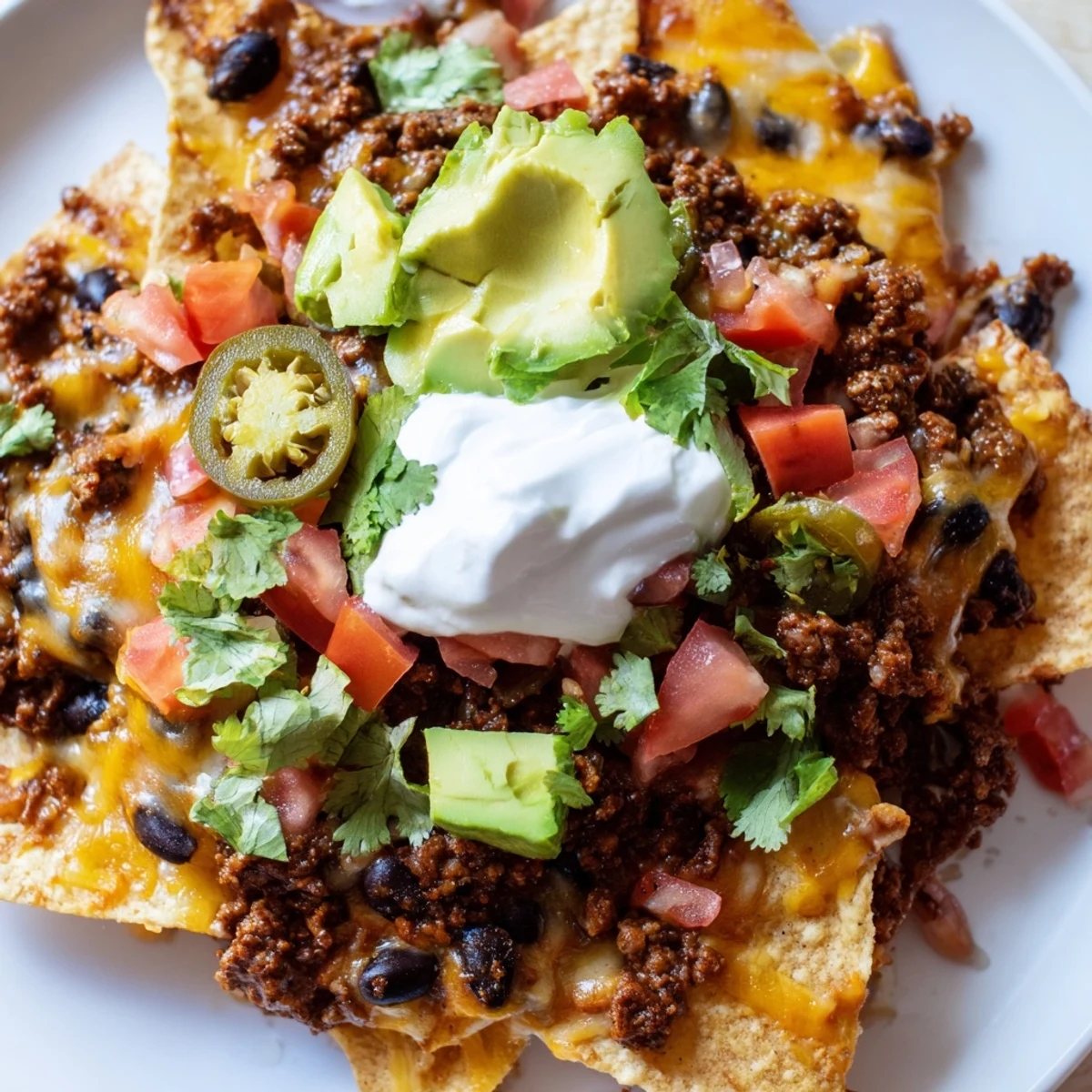
 Cook ground beef with onions, garlic, and spices like cumin and chili powder. Layer tortilla chips with black beans and the meat, then smother with cheddar and Monterey Jack. Bake until bubbly and finish with fresh toppings like avocado, cilantro, and jalapeños.
There's something about nachos that makes any gathering feel less like cooking and more like playing—especially when you've got a skillet of properly spiced beef waiting to crown a mountain of crispy chips. I discovered the magic of building nachos properly one lazy Sunday when a friend showed up unannounced, and instead of ordering out, I raided the pantry and created what became our unofficial house specialty. The trick, I learned that day, is treating the beef like a seasoned layer, not just ground meat, letting those spices bloom until your kitchen smells like someone's serious about flavor.
I'll never forget making these for my book club, when someone asked if I'd actually cooked them or bought them from somewhere—that's when I knew the beef seasoning was hitting right. They disappeared faster than I could warn people about the jalapeños, and suddenly it became the thing people asked for every time they came over.
Ingredients
- Ground beef (1 lb): The foundation—choose something with a bit of marbling so it stays flavorful instead of turning dry under the oven's heat.
- Yellow onion and garlic: These aren't filler; they're what make the beef taste cooked intentionally rather than just browned.
- Cumin, chili powder, smoked paprika: This trio is non-negotiable—they bloom together in the pan and create depth that tastes nothing like packet seasoning.
- Tomato paste: A tablespoon might seem small, but it's what gives the beef a subtle sweetness and helps the spices cling properly.
- Tortilla chips: Quality matters here because thin, flimsy chips will get soggy before the cheese even melts; look for sturdy ones that can handle the weight.
- Black beans: Rinsing canned beans removes the starchy liquid, so they stay distinct instead of turning into mush on the baking sheet.
- Cheddar and Monterey Jack: The combination matters—cheddar gives color and sharpness, while Monterey Jack melts smoother and creates that unctuous binding layer.
- Toppings: Sour cream, avocado, fresh cilantro, and lime are what transform these from hot cheese and beef into something that feels alive and bright.
Instructions
- Brown the beef:
- In a large skillet over medium heat, add your ground beef and cook for 2–3 minutes, breaking it up as it cooks—you're looking for it to lose its pink, not turn into hard little nuggets. Don't rush this step; let it brown properly.
- Build the flavor base:
- Add your diced onion and minced garlic, then sauté for another 3 minutes until the onion softens and the garlic becomes fragrant—this is when your kitchen starts smelling like intention. You'll know it's right when you can't resist taking a deep breath.
- Bloom the spices:
- Stir in the cumin, chili powder, smoked paprika, salt, and pepper, then cook for just 1 minute—this brief moment lets the spices release their oils and coat every piece of beef. You'll see a faint shimmer of oil on the surface; that's the signal to continue.
- Thicken the mixture:
- Mix in the tomato paste and water, then let it simmer for 4–5 minutes until it reduces slightly and clings to the beef. The texture should feel rich, not soupy.
- Layer the nachos:
- Spread your tortilla chips in an even layer on a large baking sheet, scatter the rinsed black beans across them, then spoon the warm beef mixture over everything—distribute it thoughtfully so every chip has a chance at the good stuff. Don't leave bare corners.
- Cheese the mountain:
- Sprinkle both cheeses evenly across the entire pile, making sure the heat will melt everything uniformly—aim for coverage that looks generous but not comically thick. You want melted cheese, not a cheese brick.
- Bake until bubbly:
- Bake at 400°F for 8–10 minutes until the cheese bubbles at the edges and looks golden in places—watch closely the last 2 minutes because the line between perfectly melted and slightly scorched is shorter than you'd think. Your nose will tell you when it's close.
- Garnish and serve:
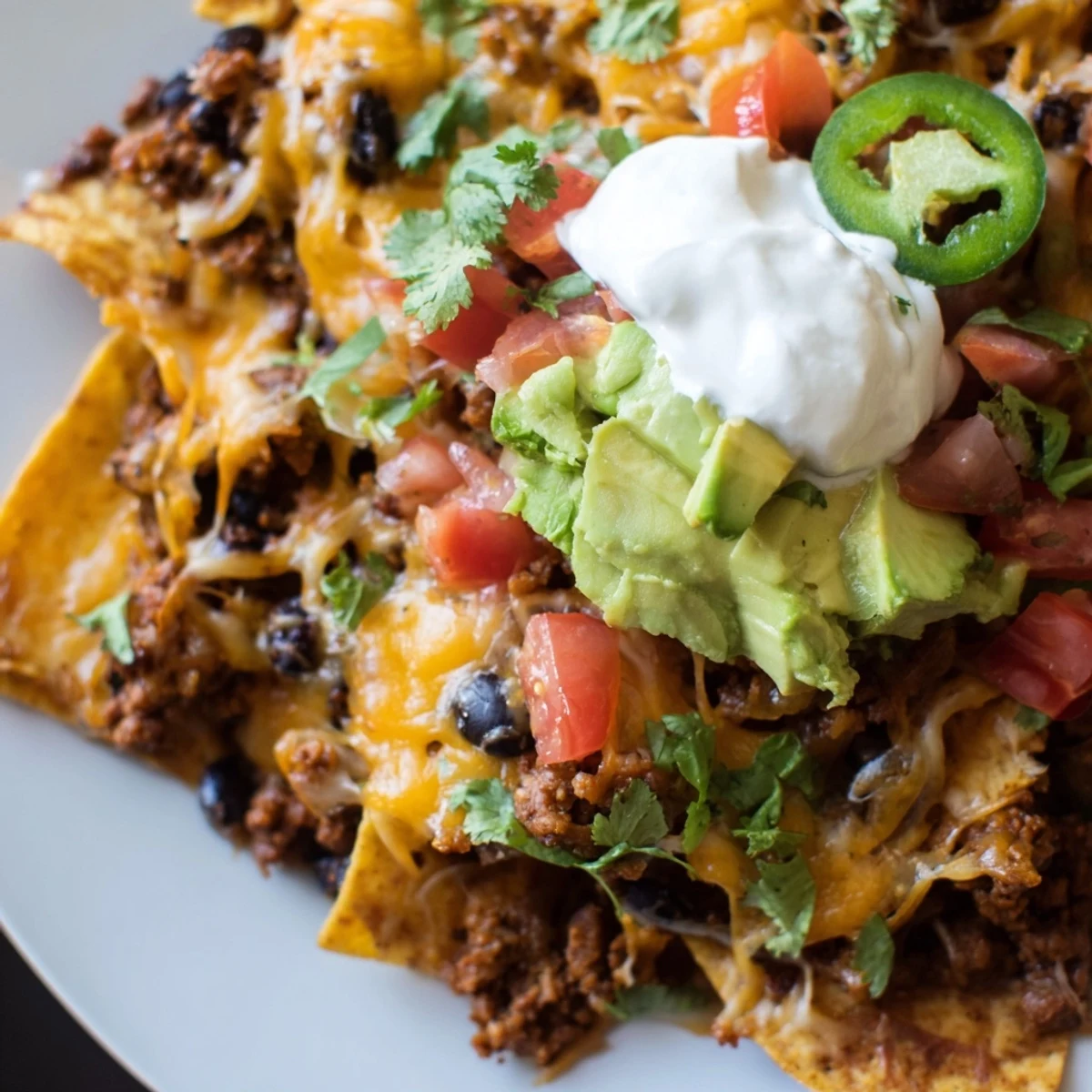
- Pull the nachos from the oven and immediately add your cold toppings—sour cream, diced avocado, fresh cilantro, jalapeños, and lime wedges—the contrast of temperatures is part of the magic. Serve right away while the cheese is still pulling slightly when you lift a chip.
 Pin it
 What turned these nachos into something beyond a casual appetizer was the night my neighbor came over stressed about a work presentation, and somehow watching the cheese bubble in the oven and eating something warm and intentional made everything feel more manageable. Food does that sometimes—it stops being food and becomes a small, delicious interruption in a difficult day.
The Spice Profile That Actually Works
Most people underseasoning their nachos beef without realizing it, which is why diner versions sometimes taste one-dimensional. The cumin-chili powder-smoked paprika combination here isn't random—cumin brings earthiness, chili powder adds warmth and slight heat, and smoked paprika gives you that subtle barbecued depth without making the dish taste like barbecue. Bloom them in the pan for a full minute and the difference is immediate; skip it and you'll taste the spices separately instead of as one voice.
Cheese Layering Strategy
I spent years making nachos with one type of cheese until I realized why restaurant versions feel more luxurious—they layer two cheeses with different melting temperatures and textures. Monterey Jack melts smoothly and creates that glossy binding layer, while sharp cheddar holds its own flavor and adds visual contrast with its color. Mixing them 50-50 by weight gives you the best of both worlds: coverage that feels abundant and flavor that doesn't fade once it cools.
Cold Toppings, Warm Timing
The moment nachos leave the oven is critical—add your cold toppings (sour cream, avocado, cilantro, lime) immediately while the cheese is still actively melting, and the contrast becomes part of the experience. Wait five minutes and you've lost that temperature interplay, plus the sour cream starts feeling more like a cold dollop than a cool complement.
- Slice your avocado right before serving to prevent browning—it stays vibrant and creamy instead of turning grey and oxidized.
- If you're serving these to guests who might arrive at different times, assemble the base layers on the sheet, bake the cheese, then let people add their own cold toppings to taste.
- Fresh jalapeños sliced thin are better than pickled ones here because they keep their crunch and bright heat without the vinegar funk.
 Pin it
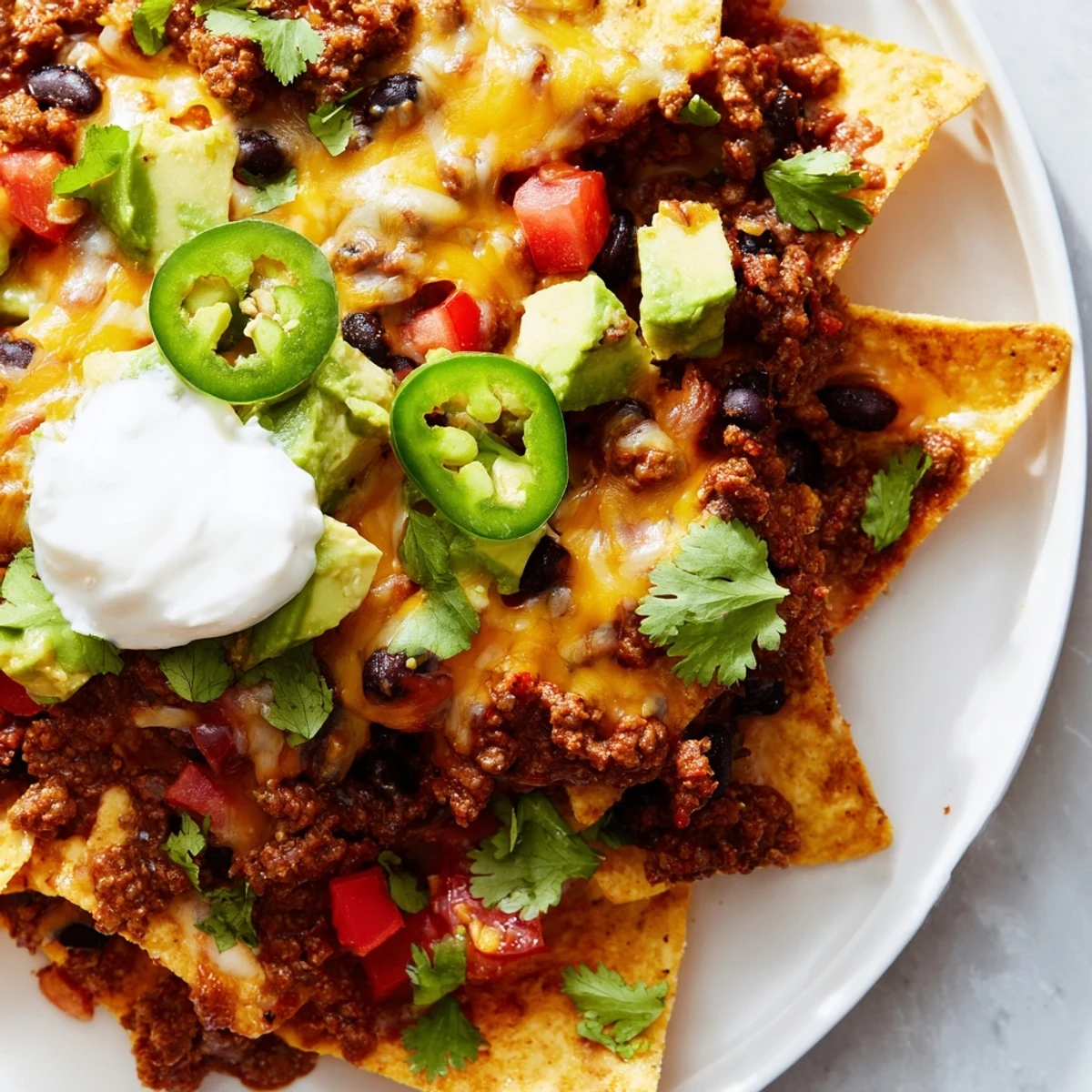
 These nachos work because every component is treated with intention—the beef isn't just seasoned, it's allowed to develop flavor; the toppings aren't afterthoughts, they're the finish line. Make them once this way and you'll understand why people keep asking you to bring them to things.
Recipe Questions & Answers
- → Can I substitute the beef?
-
Yes, ground turkey works well for a lighter version, or double the black beans for a vegetarian option.
- → How do I prevent soggy nachos?
-
Ensure the beef mixture is not too watery before layering and serve immediately after baking while hot.
- → What type of cheese is best?
-
A blend of shredded cheddar and Monterey Jack provides the best flavor and melt for this dish.
- → Can I make these spicy?
-
Add extra chili powder, a dash of hot sauce, or sliced jalapeños to increase the heat level.
- → Is this gluten-free?
-
It can be gluten-free if you ensure the tortilla chips used are certified gluten-free.