
 Pin it
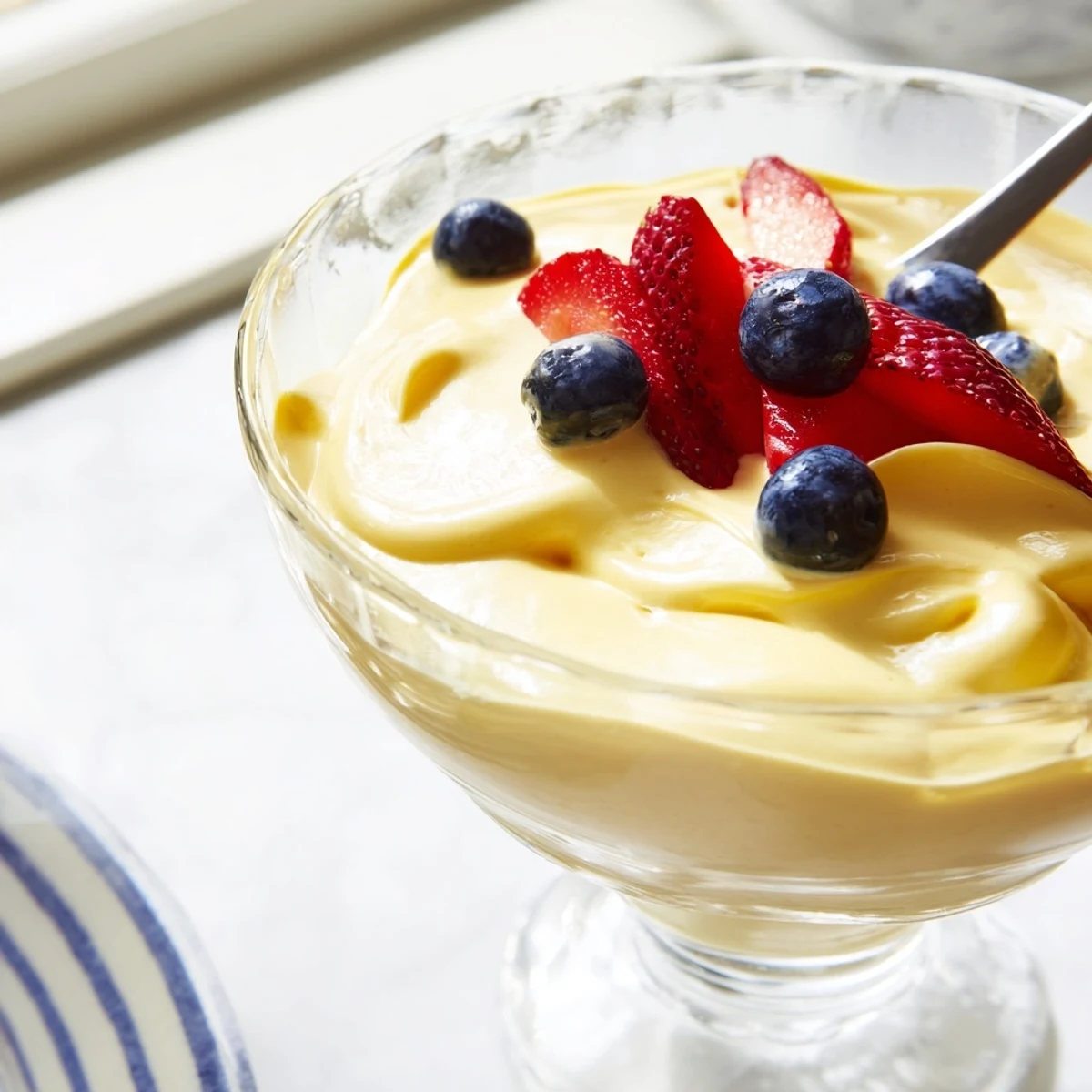
 This beloved Italian dessert transforms simple ingredients into pure luxury. The technique involves whisking egg yolks and sugar over gentle heat while gradually incorporating Marsala wine. The result? A magically airy, velvety custard that triples in volume, forming soft ribbons as it thickens. The key lies in constant whisking and patience—about 8-10 minutes of devotion yields a silky masterpiece. Serve immediately in elegant glasses, perhaps garnished with fresh berries or alongside crispy ladyfingers. For those preferring non-alcoholic versions, fresh orange juice creates a delightful citrus variation.
The first time I watched my nonna make zabaglione, I couldn't believe something so elegant came from just three ingredients. She worked the whisk with such practiced rhythm, her arm moving in steady circles as the mixture transformed from liquid clouds into golden silk. That night she served it in tiny espresso cups, and I've been chasing that memory ever since.
Last winter I made zabaglione for a dinner party when my oven died halfway through baking a cake. Everyone actually preferred this last minute rescue, gathered around the stove watching the mixture grow and holding their spoons like eager children. Sometimes the best desserts are the ones that force you to slow down and pay attention.
Ingredients
- 6 large egg yolks: Room temperature eggs whisk up faster and incorporate more air for that signature foam
- 1/2 cup granulated sugar: Don't reduce this or the structure won't hold properly during cooking
- 1/2 cup Marsala wine: The fortified wine adds depth and complexity, though dry sherry works in a pinch
- Fresh berries: The tartness cuts through the rich custard beautifully
- Ladyfingers or biscotti: Perfect for dipping into the warm, silky sauce
Instructions
- Set up your water bath:
- Fill a medium saucepan with about 2 inches of water and bring it to a gentle simmer, not a rolling boil
- Whisk the yolks and sugar:
- In a large heatproof bowl, beat the egg yolks and sugar until pale yellow and slightly thickened, about 2 minutes
- Start the double boiler:
- Place the bowl over the simmering water, making sure the bottom doesn't actually touch the water surface
- Add the Marsala gradually:
- Pour in the wine slowly while whisking constantly to prevent the eggs from scrambling
- Whisk until transformed:
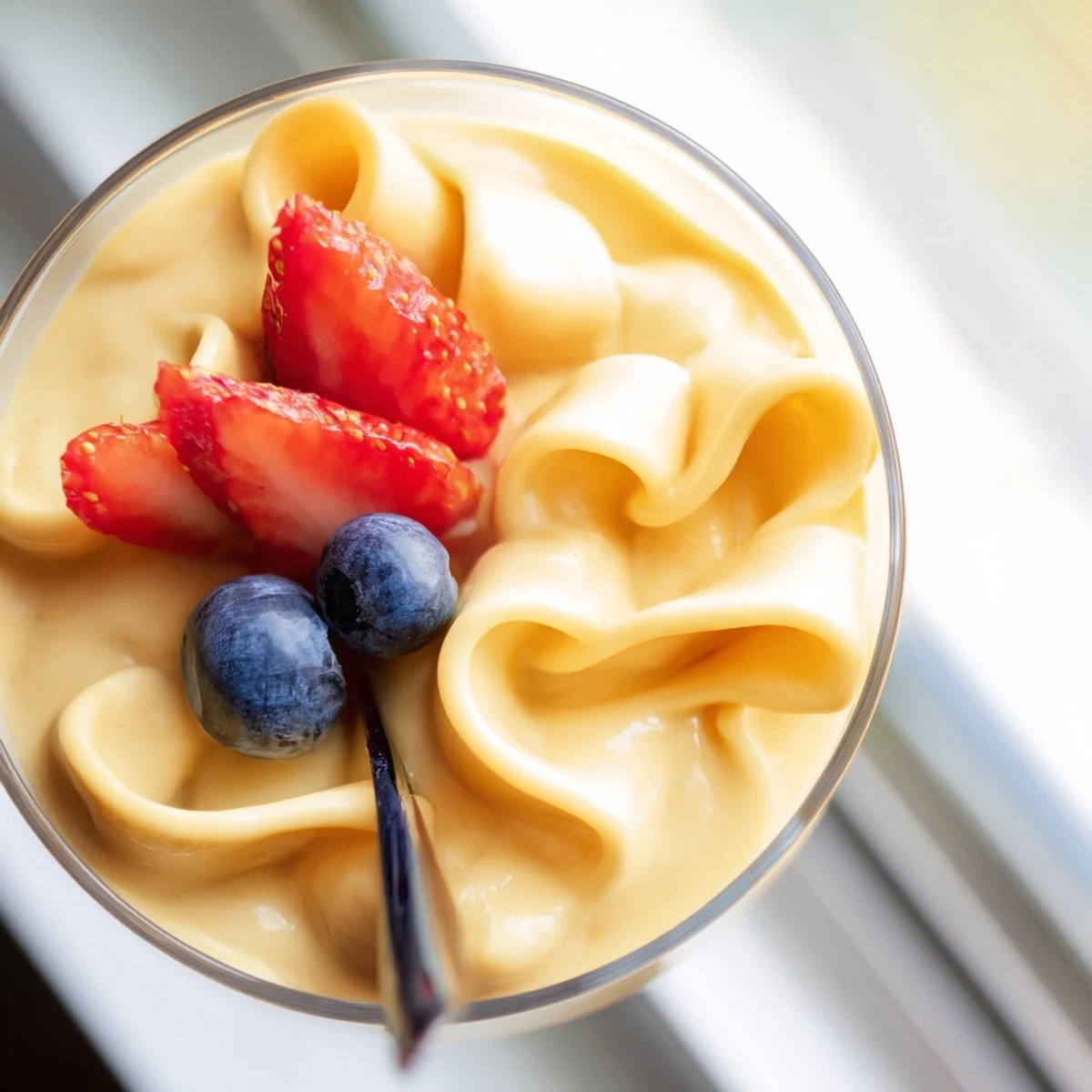
- Keep whisking steadily for 8 to 10 minutes until the mixture triples in volume and forms thick, soft ribbons when you lift the whisk
- Serve immediately:
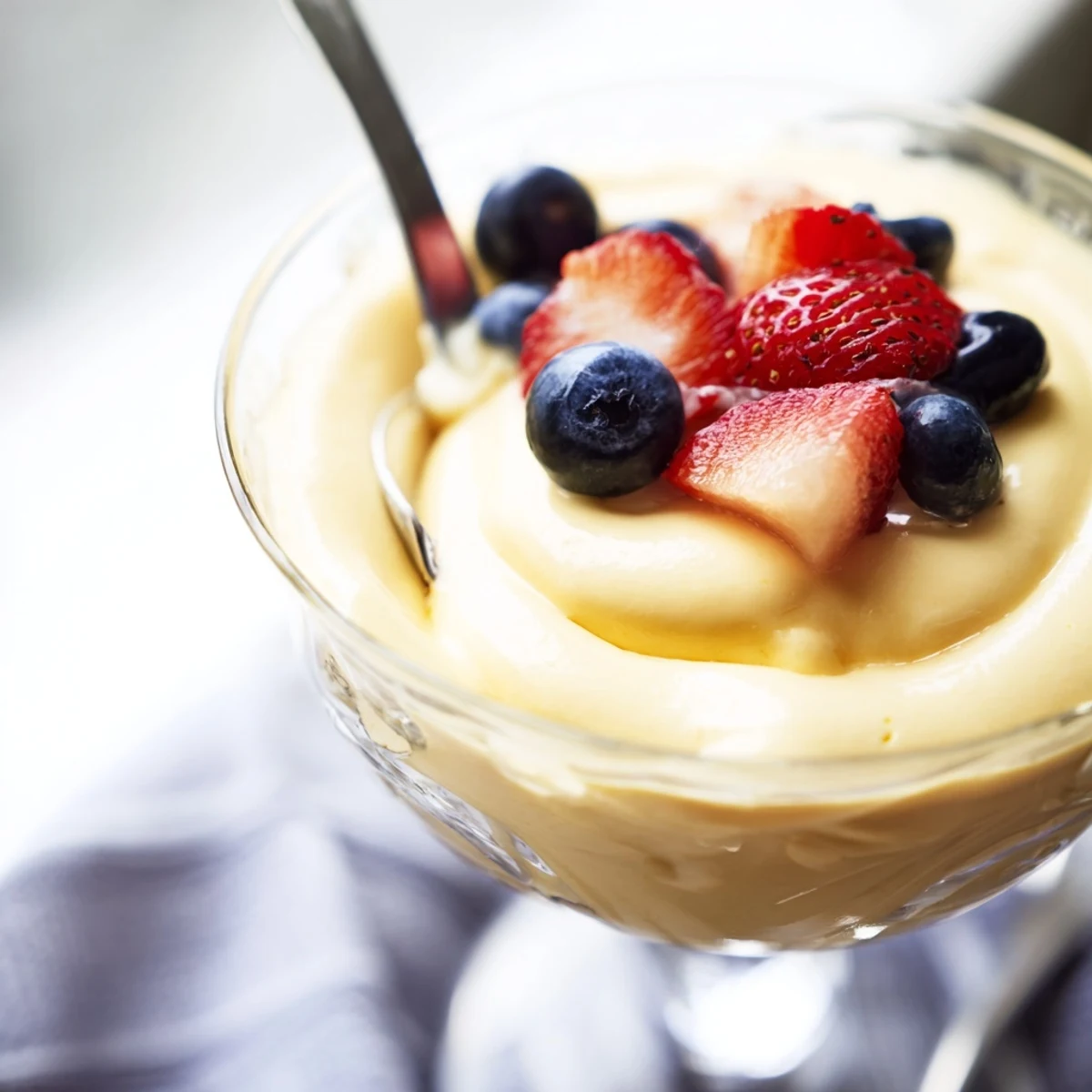
- Remove from heat right away and divide among dessert glasses or small bowls while still warm and foamy
- Add finishing touches:
- Garnish with fresh berries or serve alongside ladyfingers and biscotti for dipping
 Pin it
 My friend Marco once told me that zabaglione is the Italian grandmother's secret weapon because it requires nothing but patience and a strong arm. He said the best part is licking the whisk afterward, which I've confirmed is absolutely true.
Choosing Your Wine
Traditional Marsala wine gives zabaglione its signature caramel notes and deep golden color. I've experimented with everything from port to Madeira, but nothing quite captures that authentic Italian taste like the original. If you're avoiding alcohol, orange juice creates a lovely bright version, though you'll miss the complex warmth wine provides.
Getting That Perfect Foam
The transformation from liquid to foam feels almost magical the first time you witness it. I've found that a balloon whisk works better than a flat one for incorporating all that air. Don't rush the whisking step before heating either because properly aerated yolks give you better volume in the final dessert.
Serving Suggestions
Beyond fresh berries and crisp cookies, I've served zabaglione over grilled peaches in summer and poured it warm over vanilla ice cream for an affogato style dessert. Sometimes I fold in chocolate shavings right at the end for extra richness.
- Chill it for 2 hours if you prefer a mousse like texture instead of warm custard
- Try grating some fresh nutmeg over the top just before serving
- Small espresso cups make the perfect portion size for this rich dessert
 Pin it
 There's something deeply satisfying about making dessert with nothing but a whisk and a bowl, don't you think? Sometimes the simplest recipes carry the most tradition.
Recipe Questions & Answers
- → What makes Zabaglione different from other custards?
-
Zabaglione stands apart through its unique preparation method and Marsala wine infusion. Unlike traditional custards baked or stovetop-cooked in saucepans, Zabaglione is whipped over a double bath, incorporating air for an incredibly light, airy texture. The Marsala wine adds distinctive depth and complexity, creating a sophisticated flavor profile perfect for elegant entertaining.
- → Can I prepare Zabaglione ahead of time?
-
While traditionally served warm immediately after preparation, Zabaglione can be refrigerated for up to 24 hours. However, the texture will change—becoming denser rather than airy and light. To serve chilled, simply prepare as directed, cool completely, cover, and refrigerate. Allow it to come to room temperature for 15 minutes before serving for the best texture experience.
- → What wines work best as Marsala substitutes?
-
Dry sherry makes an excellent alternative, providing similar nutty, complex notes. For non-alcoholic versions, fresh orange juice or apple juice concentrate work beautifully, adding natural sweetness and fruit essence. Some cooks enjoy experimenting with Moscato for a sweeter variation or Madeira for deeper, richer flavor profiles similar to traditional Marsala.
- → Why must I whisk constantly during preparation?
-
Constant whisking serves two crucial purposes: it incorporates air, creating that signature fluffy texture, and prevents the eggs from scrambling. The gentle heat cooks the yolks gradually while continuous motion ensures even heating throughout. This technique transforms the mixture from liquid to thick, ribbon-forming perfection, requiring patience but delivering outstanding results.
- → What are the best serving suggestions?
-
Classic presentations include serving in elegant champagne coupes or small dessert glasses, allowing guests to appreciate the silky texture and golden hue. Fresh berries—strawberries, raspberries, or blueberries—provide lovely contrast and tartness. Crisp ladyfingers, biscotti, or even shortbread cookies offer delightful textural contrast. For special occasions, a light dusting of cocoa powder or grated chocolate adds visual appeal.
- → How do I know when Zabaglione is properly cooked?
-
Perfectly prepared Zabaglione transforms dramatically in both texture and volume. The mixture should triple in size, becoming pale and forming thick, soft ribbons when the whisk is lifted. The texture should coat the back of a spoon while remaining pourable. It's ready when it holds its shape briefly when dripped from the whisk—about 8-10 minutes of constant whisking over gentle heat achieves this ideal consistency.