
 Pin it
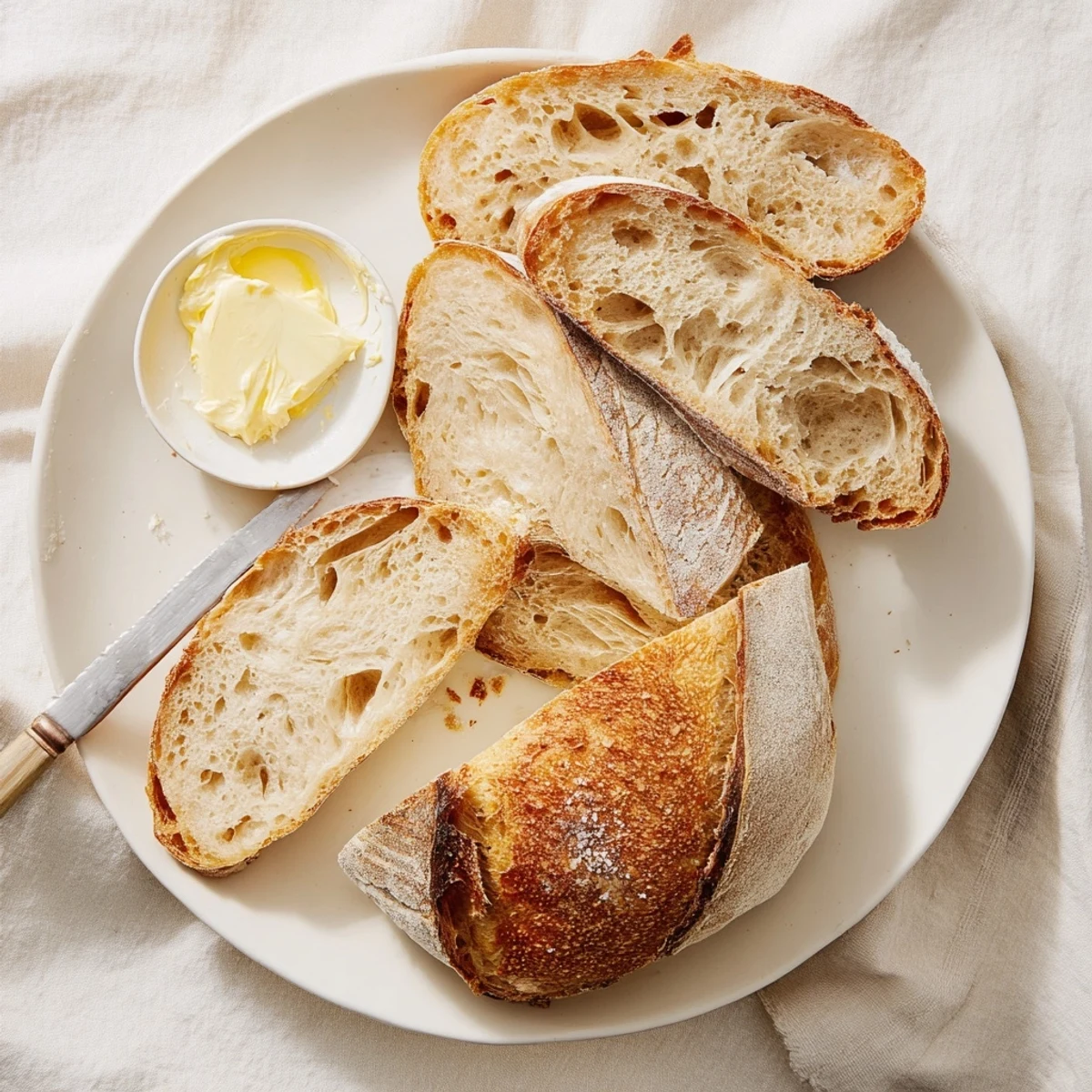
 Craft an authentic sourdough loaf using wild yeast starter and patient fermentation. This traditional method produces an artisan bread with distinctive crackling crust, tender chewy crumb, and complex tangy flavor profile. The process combines simple ingredients—flour, water, salt, and active starter—with time and technique.
The extended fermentation develops exceptional depth while making nutrients more accessible. Your kitchen will transform into a microbakery as the dough develops character through stretch-and-fold handling and cold proofing.
Perfect for sandwiches, toast, or enjoying with artisanal butter and cheese. Once mastered, this versatile base welcomes creative additions like seeds, nuts, or dried fruits.
My kitchen counter became a science lab the day I decided to venture into sourdough. The starter bubbled away in its glass jar, like a living thing demanding attention twice a day. Two weeks of feeding and discarding later, I finally understood what bakers mean when they say their starter has a personality. That first loaf, with its imperfect scoring and thick crust, tasted like pure patience.
I brought this bread to a friends dinner party, still warm from the oven. Everyone kept asking where I bought it. Their disbelief when I explained Id started it nearly 24 hours earlier was priceless. Now they ask for baking updates instead of dinner reservations.
Ingredients
- 500 g bread flour: High protein content creates that perfect chewy structure and impressive oven spring
- 350 g water: Room temperature helps the yeast activate without shocking your starter
- 100 g active sourdough starter: Must be bubbly and fed within 8 hours for reliable rise
- 10 g fine sea salt: Enhances flavor and strengthens gluten strands for better structure
Instructions
- Mix and rest:
- Combine flour and water until shaggy, then cover and let sit for 1 hour to hydrate fully
- Build the dough:
- Add starter and salt, mixing until everything comes together into a cohesive mass
- Stretch and fold:
- Perform 4 sets every 30 minutes, pulling dough from the edges to the center
- Bulk fermentation:
- Let rise covered at room temperature for 4 to 6 hours until doubled in size
- Shape your loaf:
- Turn onto floured surface and form into a tight round or oval, creating surface tension
- Cold proof:
- Place seam side up in floured basket and refrigerate 8 to 12 hours
- Preheat strategically:
- Heat oven to 230°C with Dutch oven inside for at least 30 minutes
- Score and bake:
- Invert onto parchment, cut a pattern, then bake covered 20 minutes and uncovered 20 minutes more
- Cool completely:
- Rest on wire rack for at least 1 hour to finish cooking inside
 Pin it
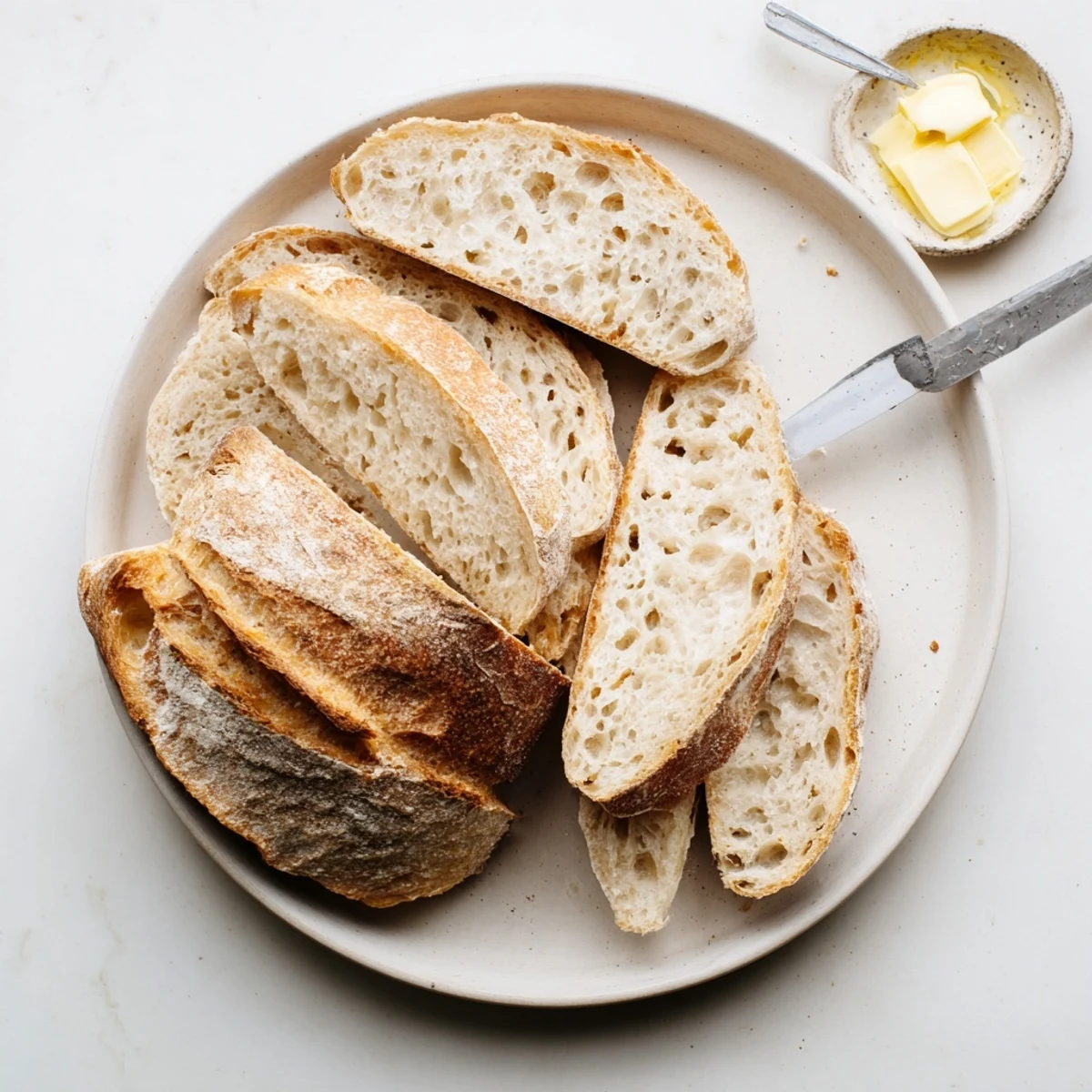
 This bread has become my Sunday ritual, the house filling with that unmistakable sour aroma while morning light streams through the kitchen window. The first warm slice with melting butter tastes like time well spent.
Understanding Your Starter
A healthy starter should double in size within 4 to 6 hours of feeding. If it takes longer, it might need more frequent feedings to build strength. The cold refrigeration slows fermentation just enough to fit baking into a regular schedule.
Getting the Best Oven Spring
A screaming hot Dutch oven creates steam that keeps the crust soft initially, allowing maximum rise. Dont skip the preheating step. The bread needs immediate intense heat to puff up dramatically before the crust sets.
Customizing Your Loaf
Up to 20% of the bread flour can be swapped for whole wheat or rye for nutty depth. Fold in seeds, nuts, or dried fruit after the first rise for added texture and sweetness.
- Try adding roasted garlic and rosemary for an aromatic savory version
- Swap some water for olive oil to create a softer, more tender crumb
- Experiment with different scoring patterns to control how the loaf expands
 Pin it
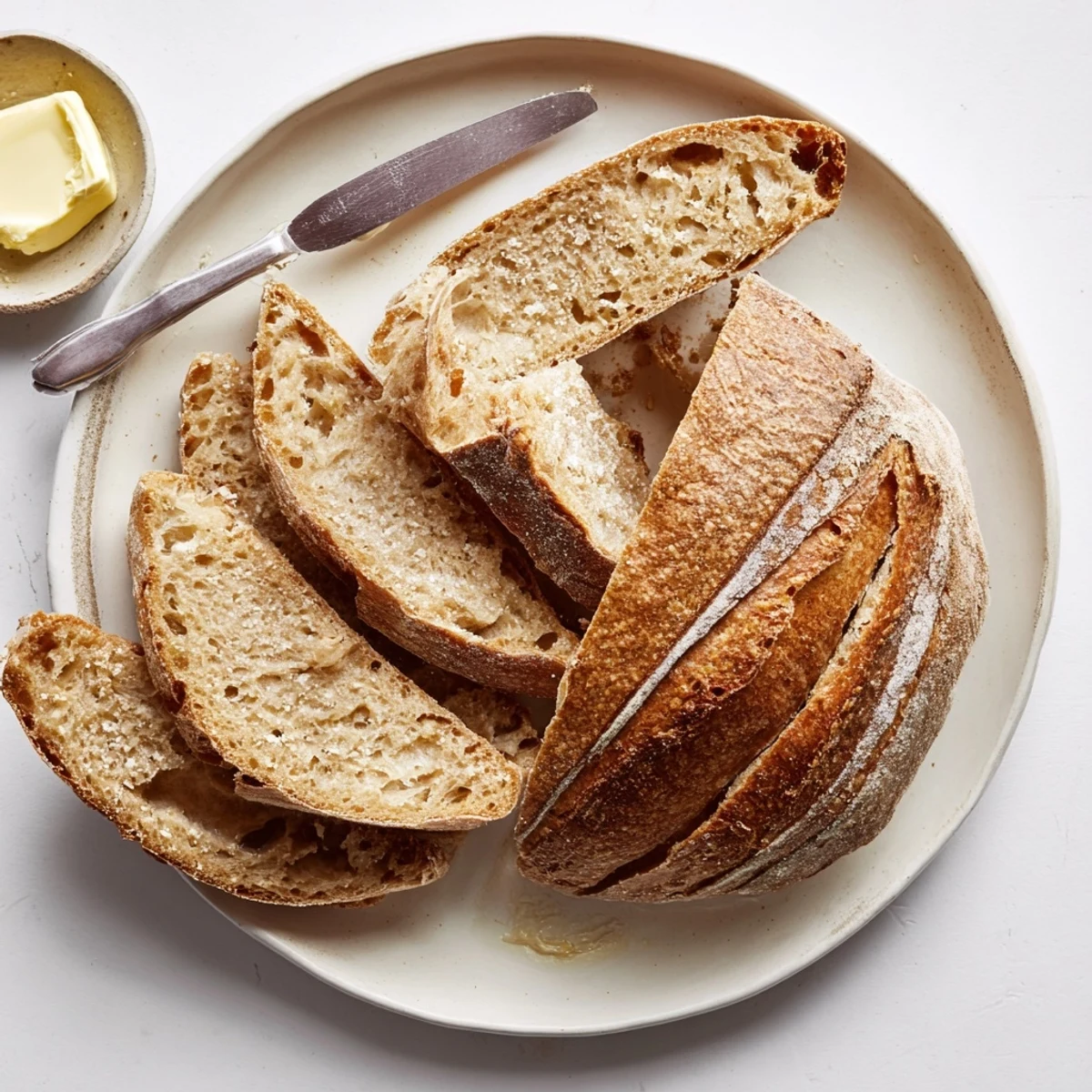
 Every loaf teaches you something new about fermentation and patience. Happy baking, and may your crust always be golden.
Recipe Questions & Answers
- → What makes sourdough different from regular bread?
-
Wild yeast fermentation creates distinctive tangy flavor and chewy texture. The extended rising time breaks down gluten, making nutrients more accessible and developing complex flavor profiles that commercial yeast cannot achieve.
- → Can I bake without a Dutch oven?
-
A Dutch oven creates steam for optimal crust development. Alternatives include using a baking stone with a metal tray of ice cubes below, or covering with a large stainless steel bowl during initial baking.
- → How do I know if my starter is active enough?
-
Your starter should bubble visibly within 4-6 hours after feeding, double in volume, and pass the float test—a small portion should float in room temperature water. Mature starter should smell pleasantly tangy.
- → Why is cold fermentation recommended?
-
Refrigerating 8-12 hours develops deeper flavor, improves dough structure, and provides scheduling flexibility. The cooler temperature slows fermentation, allowing subtle acidic notes to develop while making timing more manageable.
- → What's the purpose of stretch and folds?
-
Stretch and folds strengthen gluten without kneading, creating better structure and oven spring. This gentle handling incorporates oxygen, encourages fermentation, and develops dough strength through periodic stretching over 2 hours.
- → How long does the loaf stay fresh?
-
Properly cooled sourdough keeps 3-5 days at room temperature in a paper bag or bread box. Avoid plastic—it traps moisture and encourages mold. Stale slices make excellent French toast or bread pudding.