
 Pin it
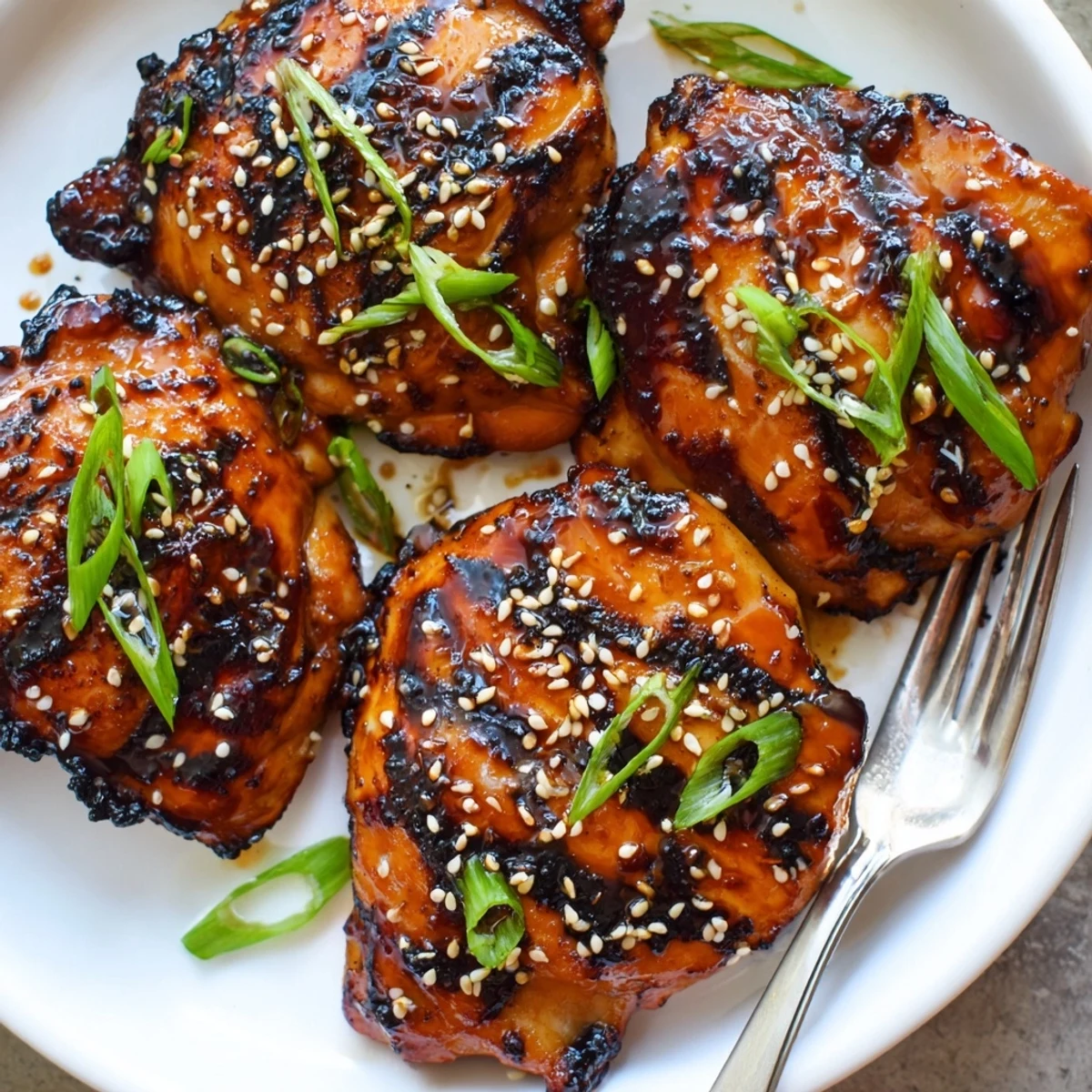
 Juicy Korean chicken thighs are marinated in soy, honey, sesame oil, garlic, ginger and gochujang for a balanced sweet‑savory heat. After at least 30 minutes the thighs can be grilled or baked at high heat until caramelized and 165°F internal, finishing under a broiler for extra char. Garnish with toasted sesame and sliced green onions; serve with steamed rice or kimchi.
The smell of soy sauce caramelizing on a hot grill is enough to make anyone stop what they are doing and wander into the kitchen, and these Korean chicken thighs are the reason I know that for a fact. My neighbor actually knocked on my door one Tuesday evening asking what I was cooking because the scent had drifted through the shared hallway. I handed him a plate and made a friend for life. This dish is bold, sticky, and unapologetically delicious.
I started making these for weeknight dinners when my schedule left no room for complicated cooking but I still wanted something that felt special. Six months later they have become the dish everyone requests when we host casual backyard gatherings. Even my picky eater nephew reaches for seconds.
Ingredients
- 8 boneless skinless chicken thighs (about 1.2 kg): Thighs stay juicier than breasts and hold up beautifully to the bold marinade.
- 1/4 cup soy sauce: Use a good quality soy sauce because it is the backbone of every flavor in this dish.
- 2 tablespoons honey: Balances the salt and heat while helping the chicken develop a gorgeous caramelized crust.
- 2 tablespoons sesame oil: Toasted sesame oil adds a nutty depth that instantly makes the marinade taste authentic.
- 3 cloves garlic minced: Fresh garlic is nonnegotiable here for that punchy, aromatic kick.
- 1 tablespoon fresh ginger minced: Grate it fine so the flavor disperses evenly through every bite.
- 1 tablespoon gochujang (Korean chili paste): This is the secret ingredient that gives the dish its signature Korean warmth and gentle heat.
- 1 tablespoon rice vinegar: A splash of acidity brightens the whole marinade and cuts through the richness.
- 1 teaspoon toasted sesame seeds: Added right into the marinade for subtle texture and nutty flavor throughout.
- 1/2 teaspoon black pepper: Just enough to sharpen the other flavors without overwhelming them.
- 2 green onions finely sliced: They bring a mild onion freshness that rounds everything out.
- 1 tablespoon toasted sesame seeds for garnish: A final sprinkle makes the dish look as good as it tastes.
- 2 green onions thinly sliced for garnish: Add these at the very end for a pop of color and freshness.
Instructions
- Whisk the marinade together:
- In a large bowl, combine the soy sauce, honey, sesame oil, garlic, ginger, gochujang, rice vinegar, sesame seeds, black pepper, and sliced green onions. Whisk until the honey dissolves and everything is smooth and fragrant.
- Coat the chicken:
- Place the chicken thighs in a resealable bag or a shallow dish and pour the marinade over them, massaging it into every piece. Let them soak up all that flavor in the fridge for at least 30 minutes, though 4 to 6 hours is ideal.
- Preheat your cooking surface:
- Set your oven to 425 degrees Fahrenheit or fire up the grill to medium high heat. You want it good and hot so the chicken gets those beautifully charred edges.
- Cook until caramelized and juicy:
- Remove the chicken from the marinade and arrange it on a parchment lined baking sheet or directly on the grill grates. Cook for 20 to 25 minutes, flipping halfway through, until the internal temperature hits 165 degrees Fahrenheit and the outside is deeply golden.
- Garnish and serve:
- Transfer the chicken to a platter and scatter extra sesame seeds and sliced green onions over the top. Serve immediately while the edges are still slightly crisp and the juices run clear.
 Pin it
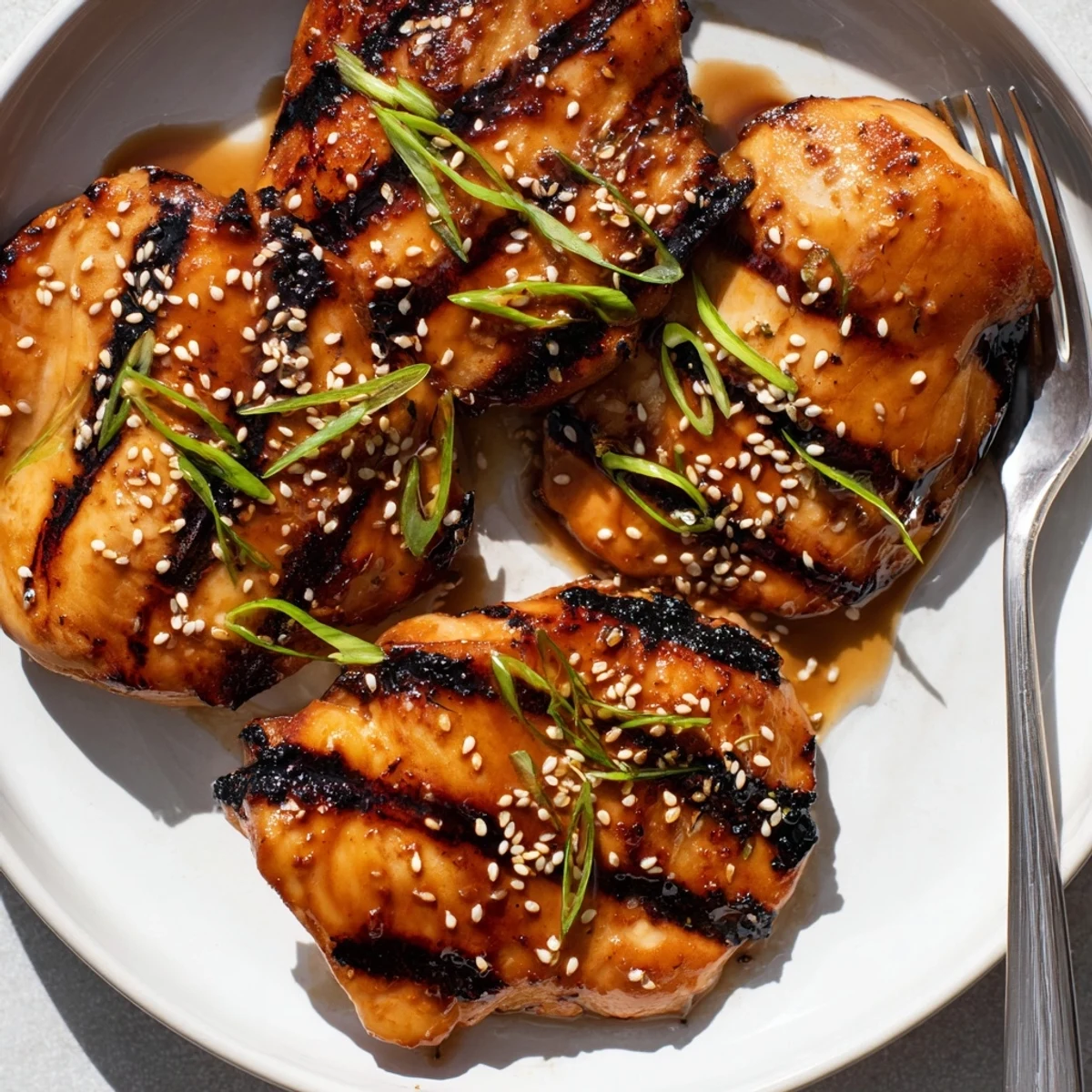
 There was a evening last summer when I set a platter of these thighs on the picnic table and watched four adults go quiet for a full five minutes. That is the highest compliment any cook can receive.
What to Serve Alongside
Steamed white rice and crunchy kimchi are the obvious and perfect companions here, soaking up the sticky sauce and cooling the palate between bites. A simple cucumber salad dressed with rice vinegar and sesame oil also works wonders when you want something refreshing on the plate.
Dealing With Gochujang Substitutions
If your local store does not carry gochujang, sriracha will give you heat without the same fermented depth, so add a teaspoon of miso paste to approximate that savory complexity. I have also used a blend of sriracha and a touch of brown sugar in a pinch with surprisingly good results.
Storing and Reheating Leftovers
These chicken thighs reheat beautifully in a skillet over medium heat, which helps revive the caramelized edges better than a microwave ever could. They also make an incredible next day lunch chopped over cold rice or stuffed into a lettuce wrap. Keep leftovers in an airtight container in the fridge for up to three days.
- Freeze marinated raw chicken in the bag for a ready to cook meal on busy nights.
- Let frozen marinated chicken thaw overnight in the fridge before cooking.
- Always check the internal temperature reaches 165 degrees Fahrenheit no matter the cooking method.
 Pin it
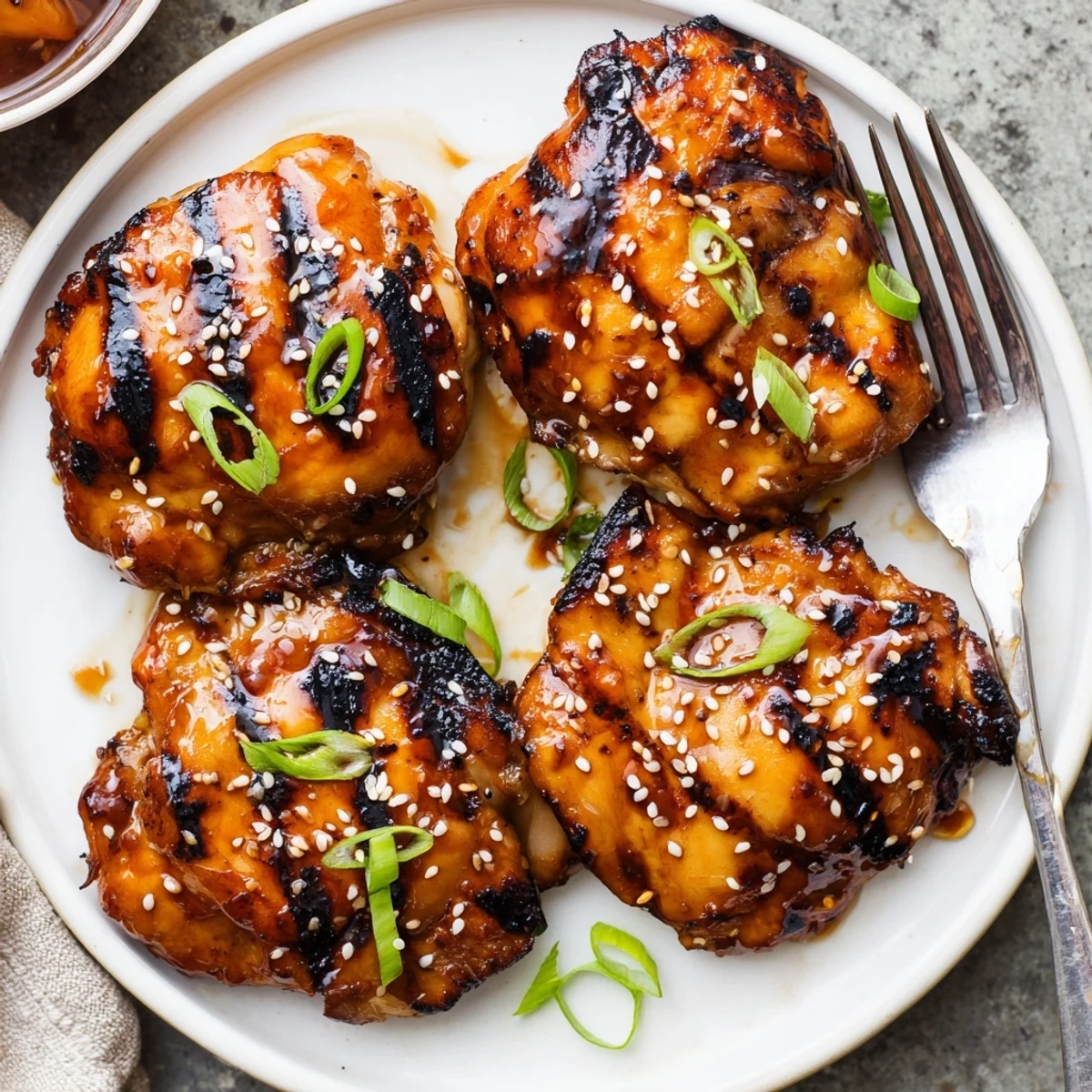
 Cooking should feel like generosity, and this dish is pure generosity on a plate. Share it with someone who shows up hungry and watch them leave happy.
Recipe Questions & Answers
- → How long should the thighs marinate?
-
Marinate for a minimum of 30 minutes to infuse flavor; 2–6 hours yields deeper taste. Avoid very long marination (beyond 8–12 hours) to prevent texture breakdown from acids.
- → Is grilling or baking better for these thighs?
-
Both work well: grilling adds smoky char while baking gives reliable caramelization. Use high heat (around 425°F/220°C) and finish under a broiler or over direct flame for extra color and crispness.
- → Can I use bone-in thighs instead of boneless?
-
Yes. Bone-in pieces need longer cooking—plan for 5–10 additional minutes and check for 165°F/74°C at the thickest point. Adjust time to avoid drying the exterior.
- → What can I substitute for gochujang?
-
If gochujang is unavailable, use sriracha combined with a touch of miso or brown sugar to replicate depth and sweetness; adjust to taste for heat and umami balance.
- → How do I get a sticky, caramelized glaze safely?
-
Pat thighs dry before cooking to promote browning. If using leftover marinade, simmer it until thick and cooked through before brushing to avoid rawness; brush in the last minutes of cooking to build a sticky glaze.
- → Any allergen or ingredient swaps to note?
-
This preparation contains soy and sesame and may contain wheat. Use gluten-free soy sauce and check gochujang labels for gluten-free versions; use toasted seeds or oil alternatives if needed.