
 Pin it
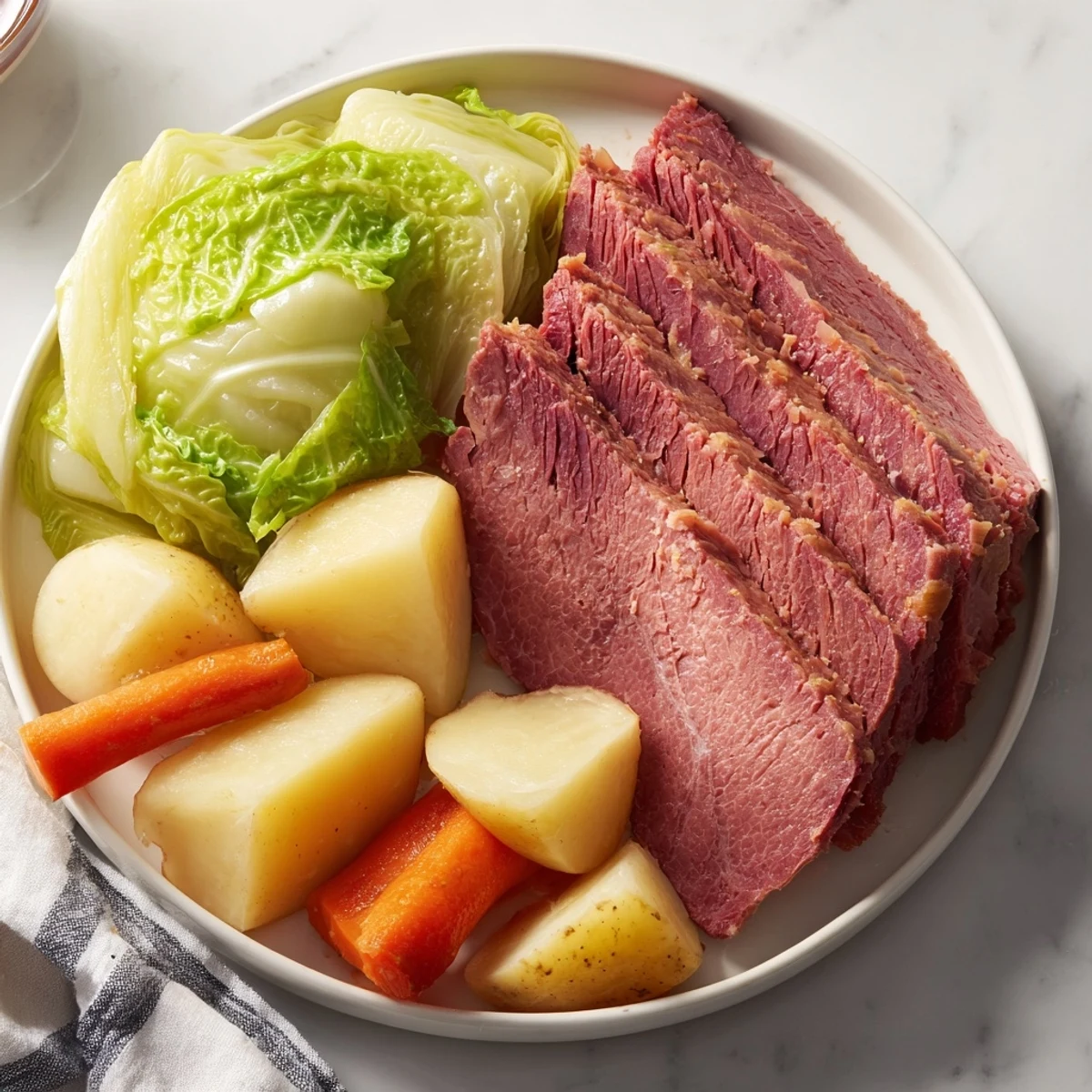
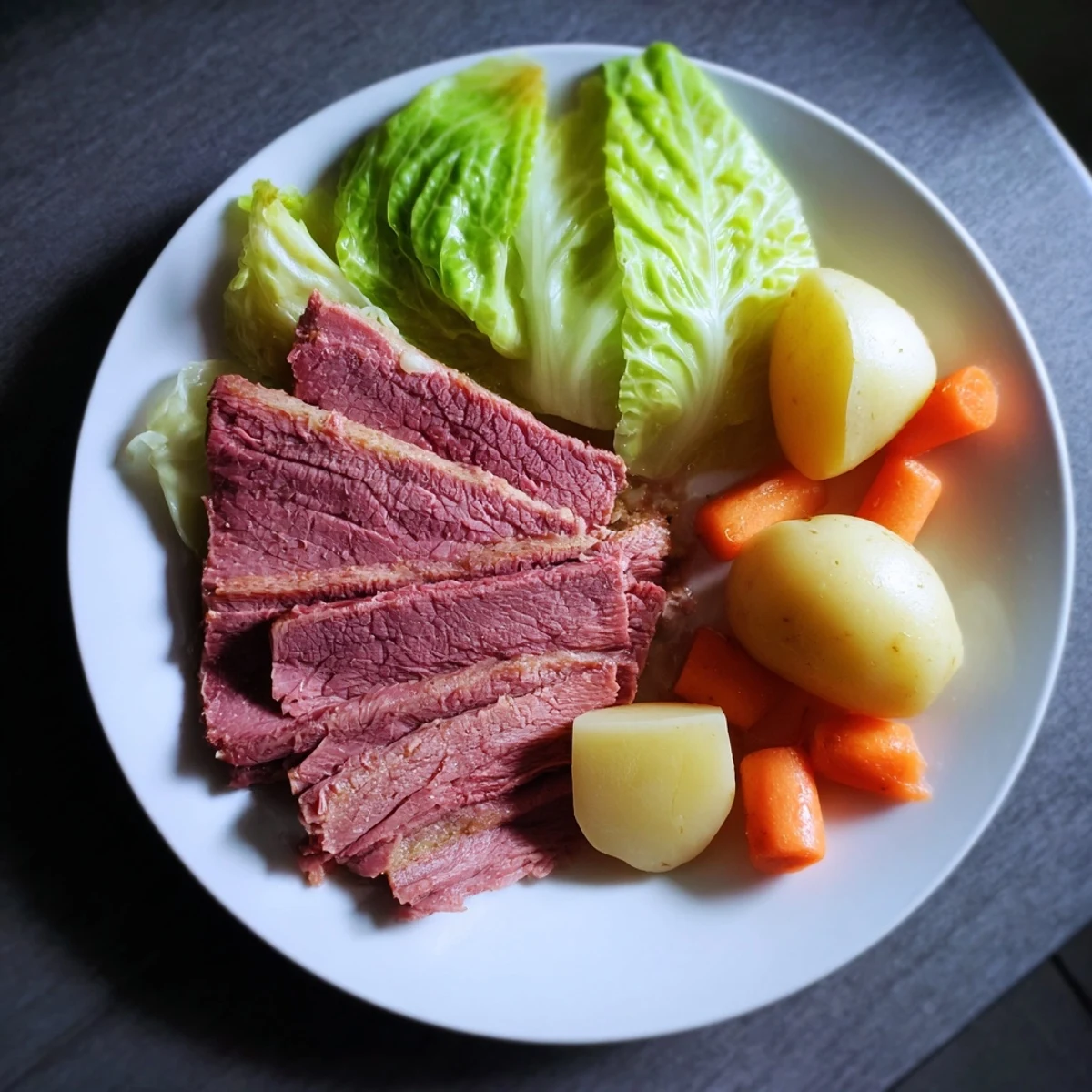
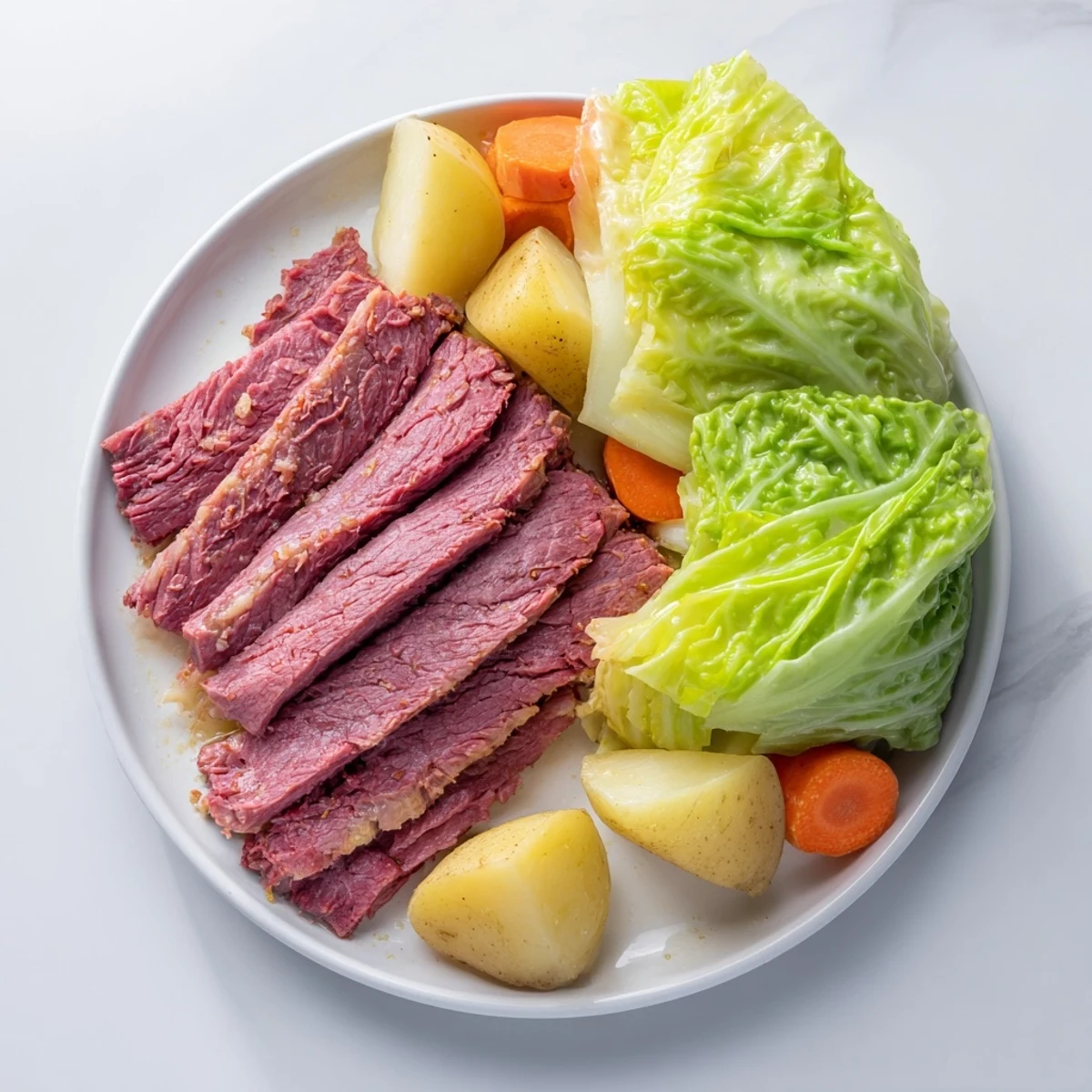
 This dish features tender corned beef brisket slowly simmered with green cabbage, Yukon Gold potatoes, carrots, onions, and savory spices. The meat is cooked until fork-tender, complemented by perfectly softened vegetables. The slow braising method melds the robust flavors, creating a comforting and hearty dinner that's perfect for gatherings. Serving with grainy mustard or horseradish sauce adds a zesty finish, enhancing the rich and savory profile.
The first time I made corned beef and cabbage, I was living in a drafty apartment with the world's smallest kitchen. My roommate had invited six people over for what was supposed to be a casual St. Patrick's Day dinner, and I'd dramatically underestimated both the cooking time and the sheer size of a three-pound brisket. The pot barely fit on the burner, and for three hours, that beef burbled away while we took turns standing guard over the stove, swapping stories and drinking tea that went cold because we kept checking on the pot.
Last March, my grandmother came over to help me tweak what had become my annual tradition. She watched me dump in the vegetables all at once and gently stopped my hand. That's when she taught me about timing the potatoes and carrots before the cabbage, and how the whole dish transforms when you respect each vegetable's cooking time. We ate standing up in the kitchen, spearing tender beef and cabbage wedges directly from the platter, and she admitted this version was better than hers.
Ingredients
- 3 lbs corned beef brisket with spice packet: The spice packet is not optional, it contains the essential flavor foundation and if your brisket didn't come with one, you can make your own with mustard seed, coriander, and allspice
- 1 medium green cabbage: Cut into wedges rather than shredding it, because you want those substantial pieces that hold their shape and texture in the broth
- 6 medium Yukon Gold potatoes: These hold their shape better than russets and have this naturally buttery flavor that pairs perfectly with the beef
- 4 large carrots: Cut them into generous two-inch pieces so they don't turn to mush during the long cooking time
- 2 large yellow onions: Quarter them, leaving the root end intact so the layers stay together while they braise
- 3 garlic cloves: Whole cloves mellow into something almost sweet as they simmer in the broth
- 12 cups water: You could swap half of this for low-sodium beef broth or even a bottle of Guinness if you want deeper flavor
- 2 bay leaves: These add an earthy background note that you'll miss if you skip them
- 8 black peppercorns: Fresh peppercorns give a gentle warmth that pre-ground pepper just cannot replicate
- 1 tsp mustard seeds: Totally optional, but they echo the spices usually found in the commercial spice packet
Instructions
- Start the brisket:
- Place the corned beef in your largest pot or Dutch oven along with the spice packet, bay leaves, peppercorns, mustard seeds, garlic cloves, and quartered onions. Pour in enough water to cover the beef by about an inch, bring everything to a boil, then reduce the heat to low and let it simmer gently.
- Simmer the beef:
- Cover the pot and let the brisket cook for about 2.5 hours, skimming any foam that rises to the surface. The beef should be getting tender but not completely falling apart yet.
- Add the harder vegetables:
- Toss in the potatoes and carrots and let them cook for 20 minutes. They need this head start since they take longer than cabbage to become tender.
- Finish with cabbage:
- Add the cabbage wedges and continue cooking for another 20 to 25 minutes until all the vegetables are fork tender and the beef is completely yielding.
- Rest before slicing:
- Remove the beef from the pot and let it rest on a cutting board for 10 minutes before slicing against the grain. This brief rest makes all the difference in how tender each slice turns out.
- Platter time:
- Arrange the sliced beef and all the vegetables on a large platter, and if you want, ladle some of that flavorful broth over everything before serving.
 Pin it
 Years later, I made this for my own family on a rainy Sunday when no one felt like going out for our usual St. Patrick's Day dinner. My seven-year-old daughter, who typically approaches new foods with suspicion, took one bite of the cabbage and asked why we don't eat this every week. That's when I knew this humble, one-pot meal had become part of our story too.
The Secret to Perfect Texture
After making this dozens of times, I've learned that the most common mistake is overcrowding the pot. You need enough room for the liquid to circulate freely around the beef and vegetables. If everything is packed in too tightly, the vegetables will steam instead of braise, and you'll miss out on that concentrated flavor that makes this dish sing.
Choosing Your Corned Beef
Look for a flat-cut brisket rather than a point cut, as it slices more neatly and has less fat running through it. The point cut has more marbling, which some people prefer, but I find it can be overwhelmingly rich. Also, take a moment to rinse the brine off the beef before cooking to control the salt level, especially if you're watching sodium.
Serving Suggestions That Make It Special
A simple dish like this deserves thoughtful sides that don't compete with the main event. I've learned to keep the supporting cast minimal but impactful. Grainy mustard or homemade horseradish sauce are classic choices, and don't forget to offer some good crusty bread for soaking up that broth.
- Warm some soda bread or Irish brown bread to serve alongside
- A light green salad with a vinaigrette cuts through the richness beautifully
- If you want drinks, a cold Irish beer or even a crisp apple cider works perfectly
 Pin it
 There's something deeply satisfying about a meal that requires almost no active attention but rewards you with such incredible flavor. This is the kind of food that brings people to the table and keeps them there long after the plates are empty.
Recipe Questions & Answers
- → How do I ensure the corned beef is tender?
-
Simmer the brisket gently over low heat for about 2.5 hours, skimming foam occasionally to maintain clarity and tenderness.
- → When should I add the vegetables?
-
Add potatoes and carrots after the beef has cooked for 2.5 hours, then cabbage wedges towards the end to avoid overcooking.
- → Can I enhance the flavor of the cooking liquid?
-
Substitute part of the water with low-sodium beef broth or Irish stout to deepen the savory notes.
- → What sides complement this dish well?
-
Grainy mustard or horseradish sauce offer a bright, tangy contrast that pairs beautifully with the rich meat and vegetables.
- → Is this dish gluten-free?
-
It is naturally gluten-free, but always check the corned beef packaging for any gluten-containing additives.