
 Pin it
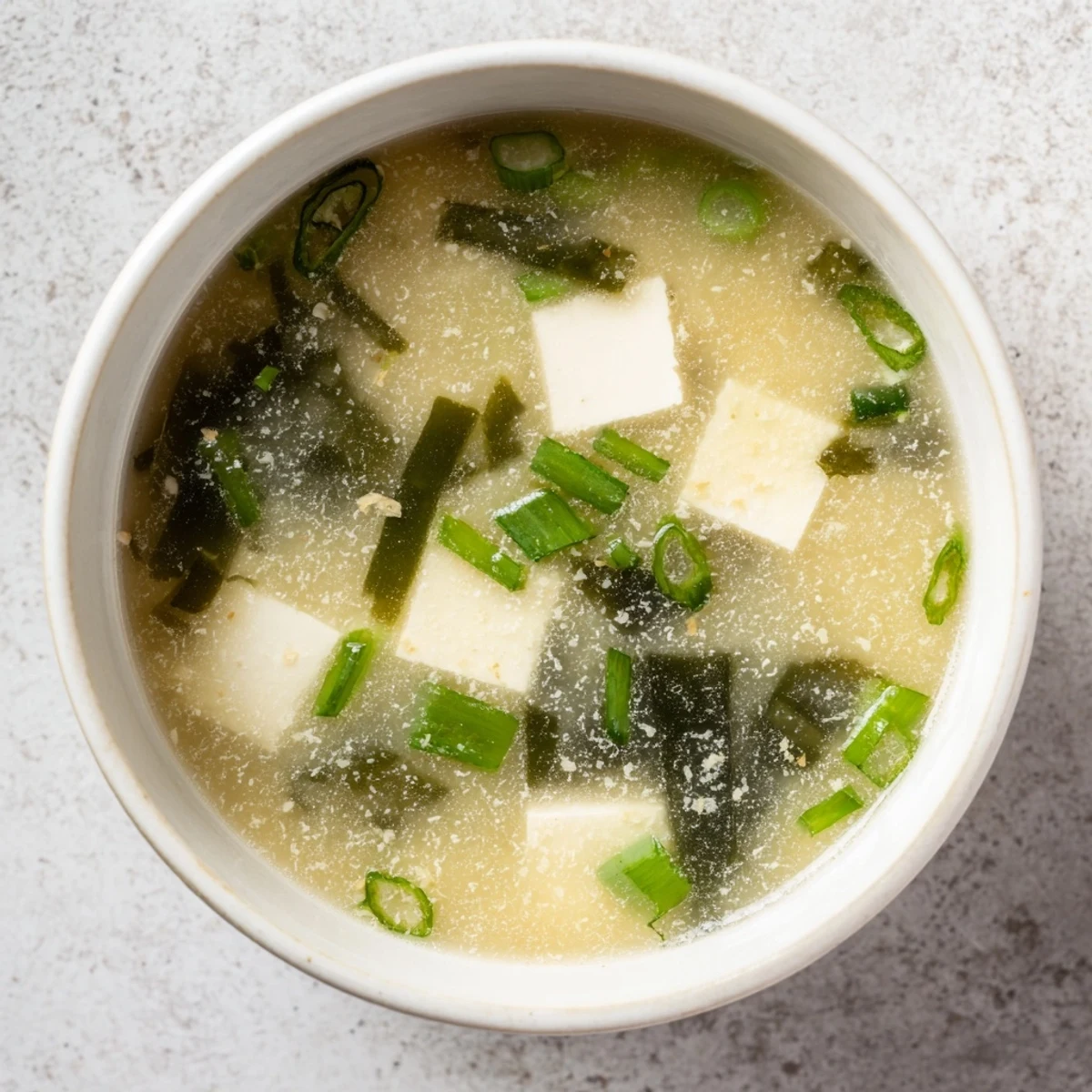
 This traditional Japanese soup brings together delicate white miso paste with silken tofu and rehydrated wakame seaweed in a savory dashi broth. The key to perfect miso soup lies in proper preparation—whisking the paste with hot broth before adding it back to the pot ensures a smooth, lump-free base while preserving beneficial enzymes by keeping the temperature below boiling. Ready in just 15 minutes with minimal ingredients, this warming bowl makes an ideal light starter or satisfying side. Customize with your favorite vegetables like spinach, mushrooms, or daikon for added variety.
The first time I had proper miso soup was in a tiny Tokyo ramen shop, where the owner brought out a small steaming bowl before my ramen arrived. I had that rushed tourist mindset, ready to dive into the main event, but something about that cloudy, pale broth stopped me cold. It was somehow both delicate and deeply savory, with silken tofu that melted on my tongue and seaweed that had this perfect bounce. I ended up ordering three more bowls, much to the owner's amusement.
Last winter, my partner came down with a terrible cold and refused to eat anything substantial. I made a batch of this miso soup, and the way the steam cleared their sinuses and the warm broth soothed their throat was almost magical. They ended up requesting it every day for a week, and I started keeping a jar of miso paste permanently in my refrigerator.
Ingredients
- 4 cups dashi stock: This Japanese foundational stock is traditionally made with kombu and bonito flakes, but for a vegetarian version, kombu dashi alone works beautifully and provides that essential umami base
- 3 tablespoons white miso paste: Shiro miso is fermented for a shorter time, giving it a milder, slightly sweet flavor that is perfect for everyday soup and wont overpower the delicate ingredients
- 100 g silken tofu: The softest tofu variety creates these luxurious clouds that practically dissolve in your mouth, so do not be tempted to use firmer tofu here
- 2 tablespoons dried wakame seaweed: This expands dramatically when rehydrated, so a small amount goes a long way toward adding texture and that authentic ocean mineral flavor
- 2 green onions: Finely sliced, they provide a fresh, sharp contrast that cuts through the rich broth and brightens every spoonful
Instructions
- Prepare your gentle broth:
- Pour the dashi stock into a medium saucepan and bring it to a gentle simmer over medium heat, watching carefully so it does not come to a rolling boil
- Dissolve the miso properly:
- Scoop the miso paste into a small bowl and add a ladleful of hot dashi, whisking until completely smooth before pouring this mixture back into the saucepan
- Add your tender ingredients:
- Gently slide in the tofu cubes and sprinkle the dried wakame across the surface, letting the soup simmer for just 2 to 3 minutes until the seaweed plumps up beautifully
- Finish and serve immediately:
- Remove the pan from heat and ladle the hot soup into bowls, scattering the fresh green onions across the top for that final bright note
 Pin it
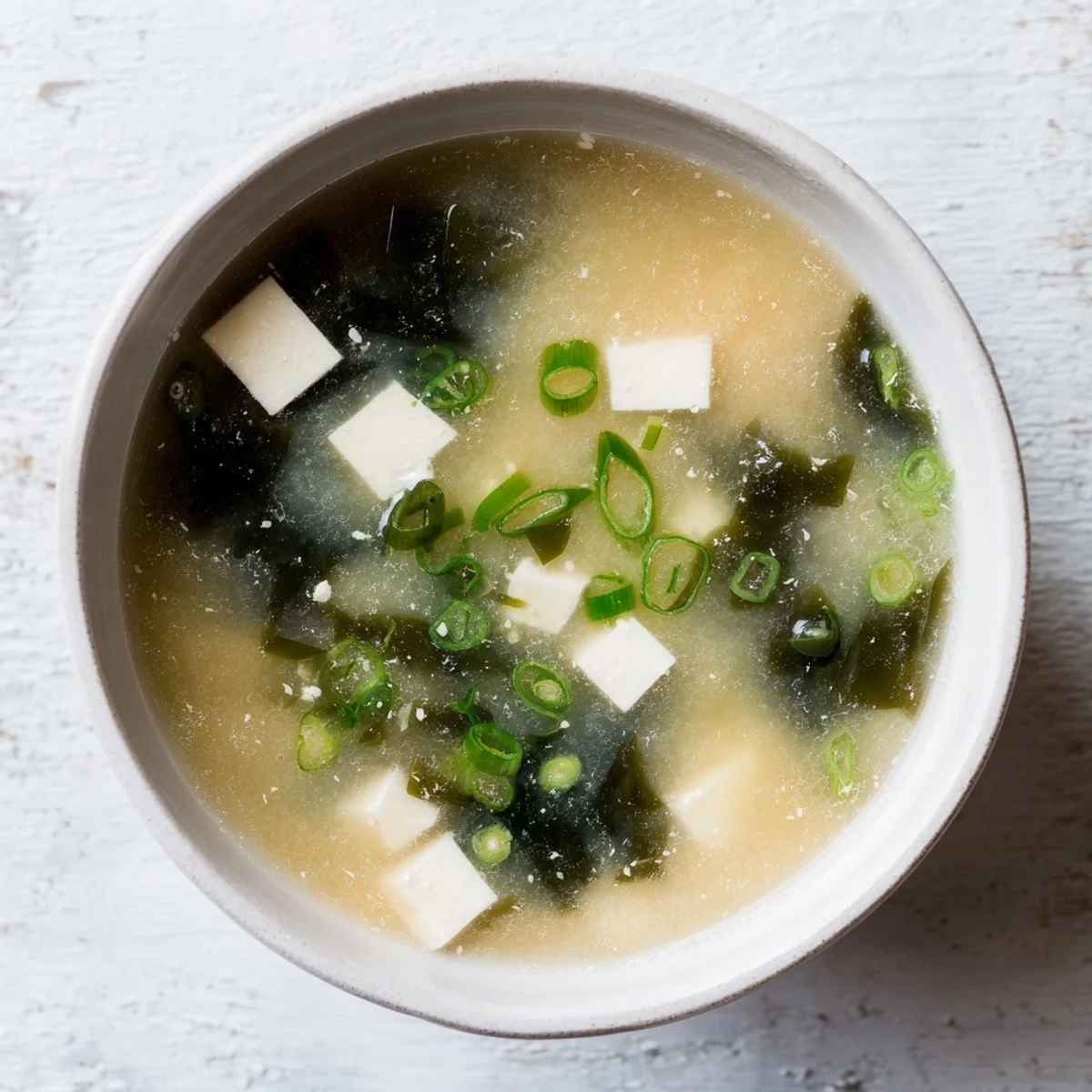
 My daughter now requests this soup whenever she is feeling under the weather, calling it her magic soup. Watching her carefully blow on each spoonful, just as I taught her, makes me realize how food memories get passed down without us even trying.
Choosing Your Meso Paste
The refrigerated section of Asian grocers can be overwhelming with miso varieties, but remember that lighter miso generally means milder flavor. White miso ferments for just a few months and has this gentle sweetness that works beautifully in soups, while red miso develops a stronger, saltier punch during longer fermentation. I keep both in my fridge and often mix them, finding that the combination creates layers of flavor that neither achieves alone.
Building a Better Broth
Homemade dashi is worth making at least once, simply to understand how profoundly good it can be, but the instant granules have come incredibly far and produce perfectly respectable results. The real secret is heating your stock gently and never letting it boil aggressively, which can make the broth taste flat and harsh. Think of it like tea leaves screaming in boiling water versus steeping peacefully in hot water.
Customization That Works
While the classic trio of tofu, wakame, and green onions is hard to improve upon, this soup welcomes thoughtful additions. Sliced shiitake mushrooms add meaty depth, fresh spinach wilts beautifully into the hot broth, and a pat of butter whisked in at the end creates an unexpected richness.
- Clams or shrimp transform this into a substantial seafood soup
- A drop of sesame oil adds a nutty fragrance that lingers pleasantly
- Fresh ginger, grated directly into the bowl, wakes up the whole bowl
 Pin it
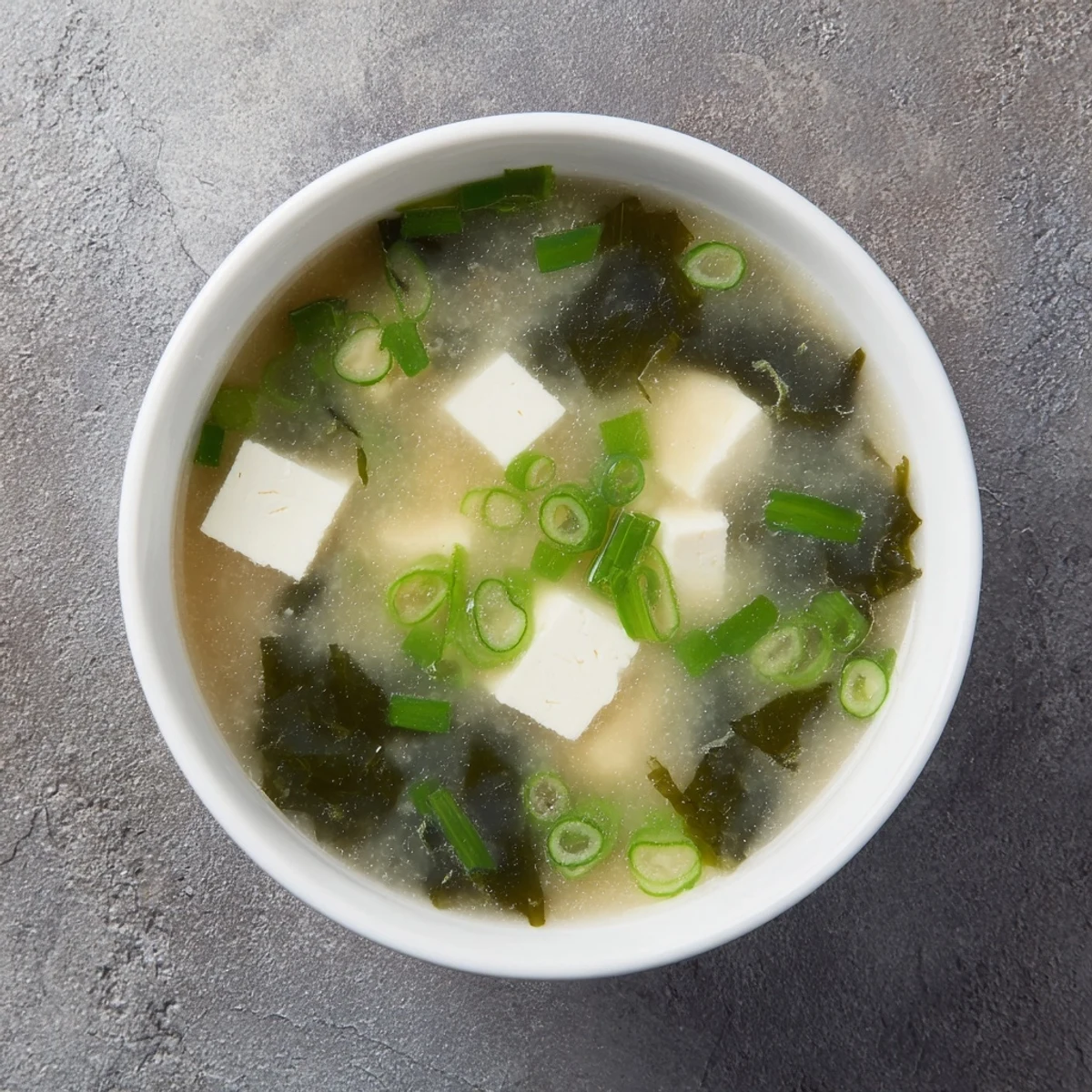
 There is something profoundly comforting about a bowl of miso soup, this simple combination of fermented soybeans and seaweed that has sustained Japanese families for centuries. I hope this recipe finds its way into your regular rotation, becoming the comfort food you turn to without even thinking.
Recipe Questions & Answers
- → What type of miso paste works best?
-
White miso paste (shiro miso) offers a milder, sweeter flavor perfect for beginners. For deeper complexity, try blending white and red miso pastes together.
- → Can I make this vegetarian or vegan?
-
Absolutely. Use kombu-based dashi stock instead of traditional bonito flakes for a vegetarian version. The same preparation applies to vegan diets.
- → Why shouldn't miso soup boil?
-
Boiling destroys the beneficial enzymes and probiotics in miso paste while creating an unpleasant bitter taste. Keep the liquid at a gentle simmer for the best flavor and nutrition.
- → How do I prevent lumpy miso?
-
Dissolve the miso paste in a small bowl with a ladleful of hot dashi first, whisking until completely smooth before returning it to the main pot.
- → Can I store leftovers?
-
Yes, refrigerate in an airtight container for up to 2-3 days. Reheat gently without boiling to preserve the miso's beneficial properties.