
 Pin it
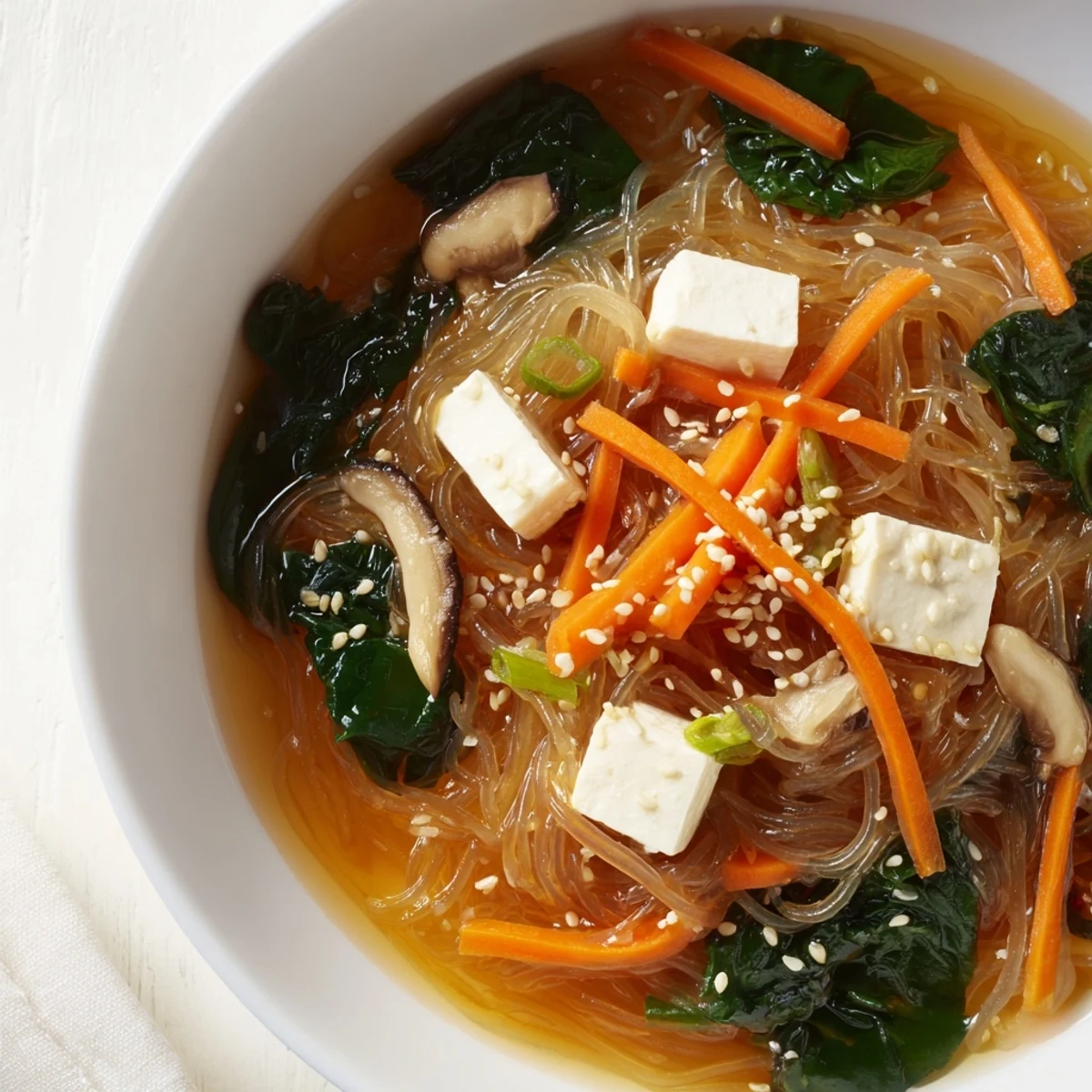
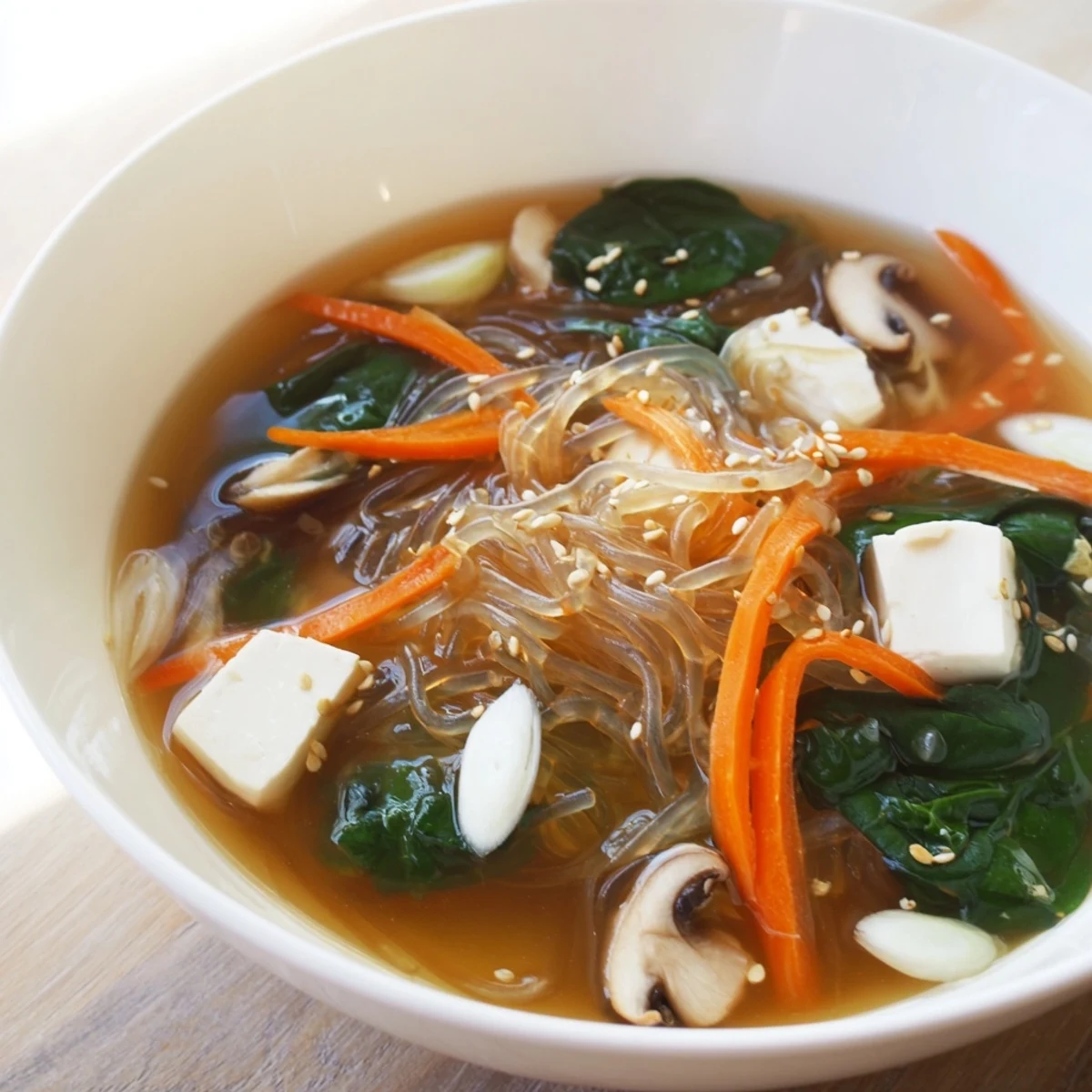
 This Japanese-inspired soup brings together translucent harusame glass noodles with a warming dashi-based broth. The delicate noodles absorb the savory flavors of soy sauce, mirin, and sesame oil while sharing the bowl with colorful julienned carrots, earthy shiitake mushrooms, and fresh leafy greens. Silken tofu adds subtle protein without overwhelming the light, clean profile.
Perfect for busy weeknights, this comforting bowl comes together in just 25 minutes. The broth balances savory and slightly sweet notes, while the vegetables provide texture and visual appeal. Garnished with toasted sesame seeds and fresh spring onions, each spoonful offers warmth and satisfaction without feeling heavy.
I stumbled upon harusame noodles during a rainy afternoon at a tiny Tokyo noodle bar, watching steam curl off bowls while commuters shook off their umbrellas. The translucent noodles fascinated me, catching the light like little glass threads suspended in amber broth. Now whenever rain taps against my kitchen window, this soup becomes my instant remedy.
Last winter my friend Mei came over exhausted from residency shifts, and I made this soup in a daze while she curled up on my couch. She took one sip and immediately sat up straighter, asking what kind of magic broth I had conjured. Now she texts me every time she needs a reset meal, and I always keep a stash of glass noodles in the pantry just for those moments.
Ingredients
- Dashi stock: The foundation of Japanese cooking, but quality vegetable broth works beautifully if you need it vegetarian
- Soy sauce and mirin: This sweet-salty balance is what makes the broth taste like it came from a restaurant kitchen
- Sesame oil: Just a teaspoon adds this nutty warmth that lingers beautifully after each bite
- Harusame noodles: These mung bean glass noodles are naturally gluten-free and transform into something almost silky when cooked
- Shiitake mushrooms: They lend an earthy depth that makes the broth feel substantial despite being so light
- Carrots: Julienned thin, they cook quickly and add these little jewels of sweetness throughout
- Baby spinach or bok choy: Choose spinach for quick wilting or bok choy if you want more crunch and texture
- Firm tofu: Optional, but I love how the cubes soak up the broth and become little flavor sponges
- Spring onions: Both cooked in the soup for subtle flavor and fresh on top for that bright finish
- Toasted sesame seeds: They add this tiny crunch that makes every spoonful interesting
Instructions
- Build the broth base:
- Combine your dashi with soy sauce, mirin, sesame oil, and salt in a large saucepan. Let it come to a gentle simmer over medium heat, watching as the liquid starts to release this savory aroma that fills your entire kitchen.
- Soften the harder vegetables:
- Add your carrots and shiitake mushrooms to the simmering broth. Let them cook for about 5 minutes until the carrots are tender but still hold their shape, the mushrooms releasing their earthy essence into the liquid.
- Add the tofu if using:
- Gently slip in your tofu cubes and let them warm through for another 2 minutes. Try not to stir too vigorously, or they might break apart into smaller pieces.
- Prepare the glass noodles:
- While the broth simmers, place your harusame noodles in a heatproof bowl and cover them with boiling water. Let them soak for 4 to 5 minutes until theyre completely tender, then drain and divide them among your serving bowls.
- Wilt the greens:
- Add your spinach or bok choy to the hot broth and cook for just 1 minute. You want them barely wilted and bright green, still retaining some of that fresh bite.
- Assemble and serve:
- Ladle the steaming broth and vegetables directly over the noodles waiting in each bowl. Top with sesame seeds and those fresh spring onions, and get it to the table while the steam is still rising.
 Pin it
 My mother-in-law visited last spring and announced she hated soup, which I took as a personal challenge. After one bowl of this, she asked if I could teach her how to make it, and now she texts me photos of her variations with whatever vegetables she finds at the farmers market.
Making It Your Own
Ive discovered that the true beauty of this soup lies in its adaptability. Sometimes I add shredded cooked chicken when I need something more substantial, or a handful of enoki mushrooms for their delicate texture. The broth welcomes whatever you bring to it, which is why its become my go-to for clearing out the vegetable drawer.
The Glass Noodle Secret
Harusame noodles are one of those ingredients I always keep in my pantry now. They cook in minutes, are naturally gluten-free, and have this remarkable ability to make any soup feel more special. I learned to rinse them under cold water after draining, which stops the cooking and keeps them perfectly slippery rather than clumping together.
Serving Suggestions
This soup works beautifully as a starter or can stand alone as a light meal. I sometimes serve it with pickled vegetables on the side, or a simple cucumber salad dressed with rice vinegar. The broth is delicate enough that it doesnt compete with other dishes.
- Try adding a soft-boiled egg for extra protein if tofu isnt your thing
- A drizzle of chili oil transforms it into something completely different
- Leftover broth can be frozen for up to a month and reheated in minutes
 Pin it
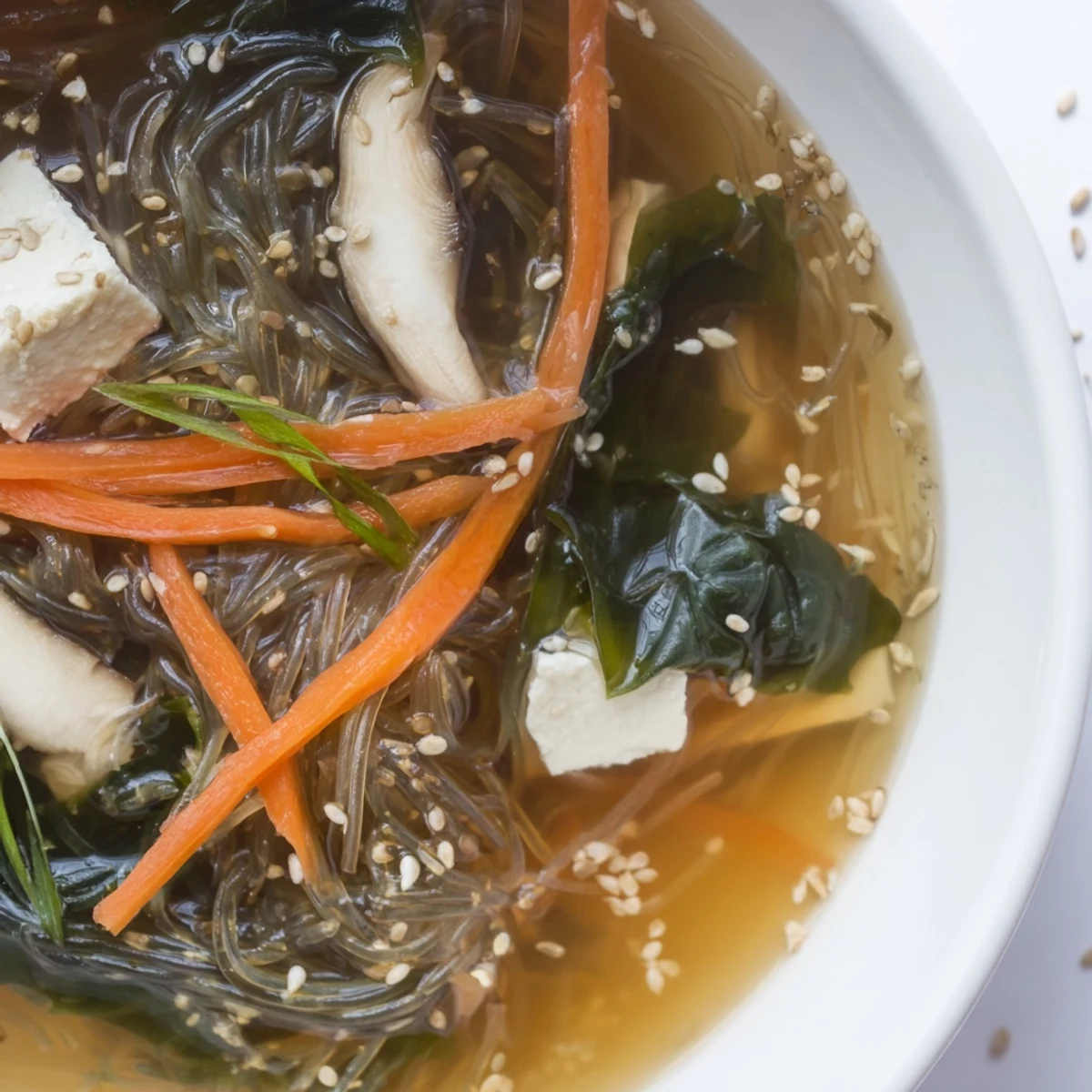
 There is something deeply restorative about this soup, the way the clear broth warms you from the inside out while the delicate noodles slide down effortlessly. It is comfort in a bowl, simple enough for a weeknight but special enough to share with someone you love.
Recipe Questions & Answers
- → What are harusame noodles?
-
Harusame are Japanese glass noodles made from mung bean starch, also known as cellophane noodles or vermicelli. They become translucent when cooked and have a delicate, springy texture that absorbs surrounding flavors beautifully.
- → Can I make this soup vegetarian?
-
Absolutely. Substitute traditional dashi (which contains bonito flakes) with kombu dashi or a high-quality vegetable broth. The rest of the ingredients are naturally plant-based, making it an excellent vegetarian or vegan option.
- → How do I store leftovers?
-
Store the broth and vegetables separately from the noodles in airtight containers in the refrigerator for up to 2 days. The noodles will continue to absorb liquid and become mushy, so keep them apart and combine when reheating.
- → What vegetables work well in this soup?
-
Beyond carrots and shiitake mushrooms, try snow peas, bok choy, napa cabbage, enoki mushrooms, or thinly sliced bell peppers. The key is using vegetables that cook quickly and maintain their texture in hot broth.
- → Is this soup gluten-free?
-
Harusame noodles are naturally gluten-free, but verify packaging for potential cross-contamination. Use tamari instead of soy sauce and ensure your dashi is certified gluten-free to make the entire bowl safe for gluten-sensitive diners.
- → Can I add protein other than tofu?
-
Shredded cooked chicken, pork, or prawns make excellent additions. Simply add them during the final 2 minutes of simmering to heat through. For a richer version, a soft-boiled egg placed on top adds creamy texture.