
 Pin it
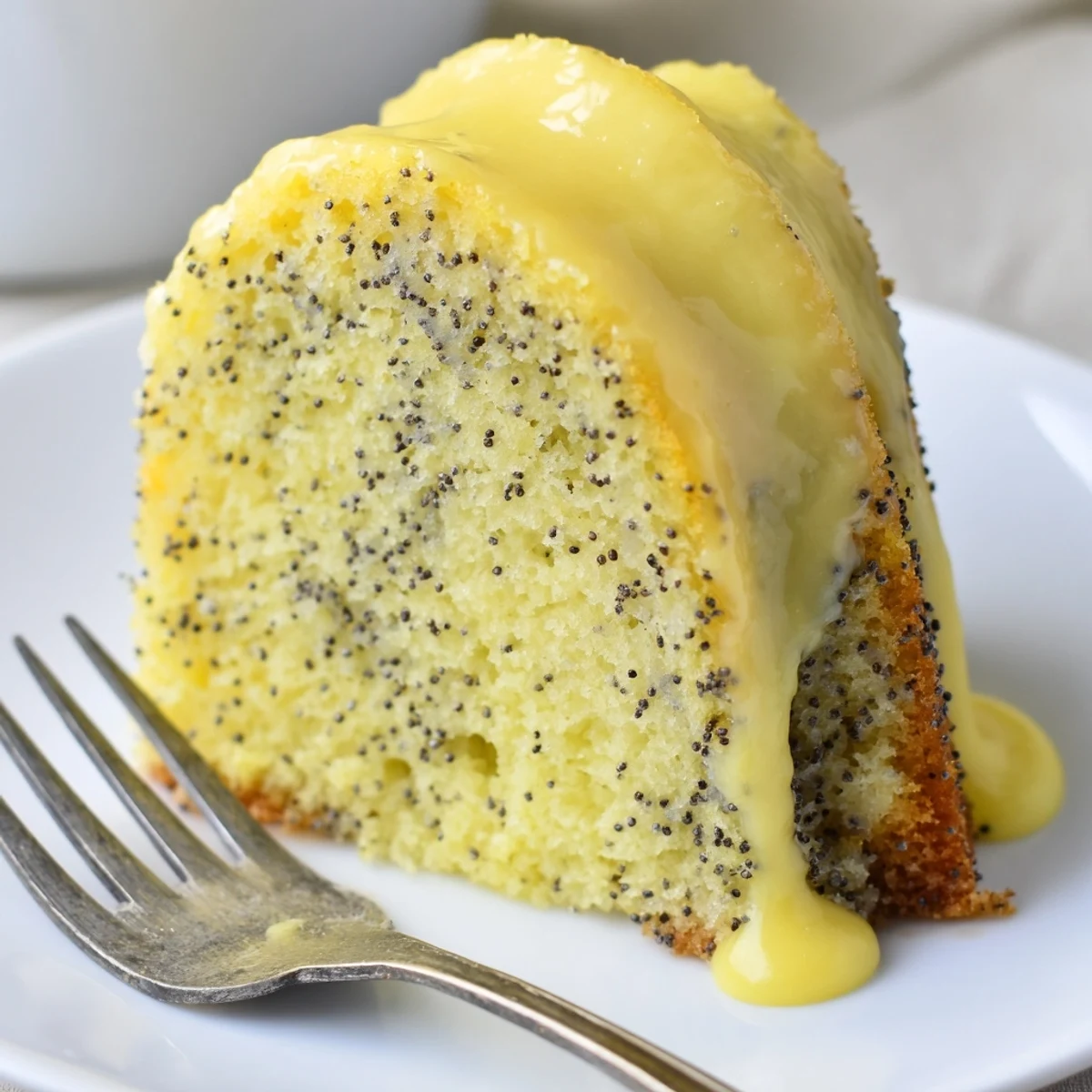
 This moist bundt features layers of zesty lemon flavor and crunchy poppy seeds. Baked to golden perfection, it is finished with a sweet, tangy glaze that hardens slightly for a delightful crunch. Serve with fresh berries or whipped cream for a stunning dessert that balances sweetness and citrus brightness.
There's something about the smell of lemon zest that cuts through a quiet morning like a small bell ringing. I discovered this cake almost by accident one spring when I was trying to use up a bowl of lemons my neighbor had dropped off, and I needed something that felt bright and uncomplicated. The first time I pulled it from the oven, the kitchen filled with this warm, almost floral sweetness that made my whole day shift. Now it's become the cake I make when I want to remind myself why I love baking in the first place.
I made this cake for my sister's book club last fall, and three people asked for the recipe before dessert was even finished. What I love about that moment is how a simple bundt cake became this small thing that connected people, made them slow down and ask questions. It reminded me that the best recipes are the ones that give you permission to be generous with others.
Ingredients
- All-purpose flour (2 ¾ cups): The backbone here—it needs to be measured carefully or your cake can turn dense, so spoon and level rather than scooping straight from the bag.
- Poppy seeds (2 tablespoons): These tiny specks are what make people stop mid-bite and wonder what they're tasting; don't skip them or use old ones that have gone bitter.
- Baking powder and baking soda (1 ½ teaspoons and ½ teaspoon): Check that your leavening agents are fresh—old ones are the silent killer of a light, tender cake.
- Salt (½ teaspoon): This small amount deepens the lemon flavor and keeps everything from tasting one-dimensional.
- Unsalted butter (1 cup): Softness matters here; if it's straight from the fridge, your creaming step will take forever and might not work properly.
- Granulated sugar (2 cups): This creams with the butter to create tiny air pockets that make the cake tender and light.
- Eggs (4 large): Room temperature eggs blend smoothly into the batter without creating lumps or deflating your hard-won air.
- Lemon zest (1 tablespoon): Use a microplane and go straight from lemon to bowl—bottled zest loses its brightness and won't give you that fresh, almost floral quality.
- Fresh lemon juice (¼ cup): Squeeze it yourself and strain out the pulp so the batter stays smooth and the flavor is clean.
- Vanilla extract (1 teaspoon): A quiet supporter that deepens all the other flavors without announcing itself.
- Sour cream (1 cup): This is what keeps the cake moist and tender; it also adds a subtle tang that makes the lemon sing.
- Powdered sugar (1 cup): For the glaze, and it needs to be sifted or you'll have little lumps that refuse to dissolve.
- Lemon juice for glaze (2-3 tablespoons): Add this slowly because the difference between a thick coat and a drippy one is just a tablespoon.
Instructions
- Prepare your stage:
- Preheat to 350°F and grease your bundt pan with butter, then dust it with flour, making sure to get into every ridge and corner—this is where cakes like to stick. Gather all your ingredients and set them on the counter because once you start, you'll want to move smoothly from one step to the next.
- Mix your dry team:
- Whisk together the flour, poppy seeds, baking powder, baking soda, and salt in a medium bowl until everything looks evenly distributed. This pre-mixing ensures the leavening is spread throughout the batter instead of creating pockets of unevenness.
- Cream the butter and sugar:
- Beat softened butter and sugar together for about 3 to 4 minutes until the mixture is pale, fluffy, and almost looks like sand with butter. This creaming step is where the magic happens—you're whipping in tiny air bubbles that will make your cake light and tender.
- Add your eggs and flavor:
- Add eggs one at a time, beating well after each one, then mix in the lemon zest, juice, and vanilla. The batter might look slightly curdled when you add the lemon juice, but keep going—it will come together.
- Bring it together:
- Alternate between adding the flour mixture and sour cream, starting and ending with flour, mixing just until combined. This gentle alternating method prevents overmixing, which would toughen your cake, and keeps everything streaky-free without overdoing it.
- Pour and smooth:
- Transfer the batter to your prepared bundt pan and smooth the top with a spatula so it bakes evenly. A quick tap of the pan on the counter will release any trapped air bubbles.
- Bake:
- Bake for 40 to 45 minutes until a toothpick inserted in the center comes out clean or with just a few crumbs. Every oven is different, so start checking at 40 minutes.
- Cool with patience:
- Let the cake rest in the pan for 15 minutes (this matters—it firms up just enough to unmold safely), then carefully flip it onto a cooling rack. The smell at this moment is almost overwhelming.
- Make your glaze:
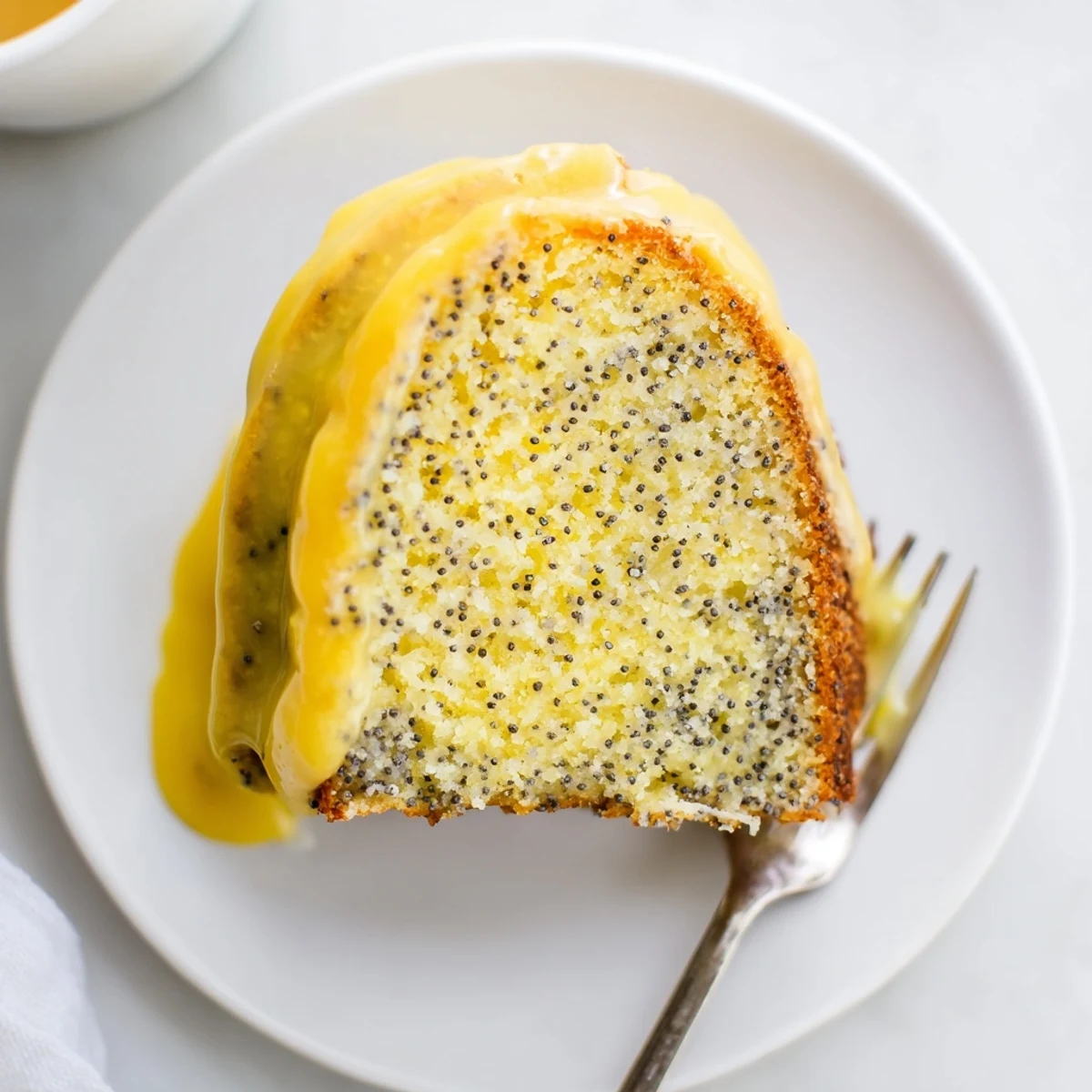
- Whisk powdered sugar with 2 tablespoons of lemon juice, adding more juice slowly until you get a pourable consistency that still clings to the cake. It should be thick enough to coat but loose enough to drizzle.
- Finish and rest:
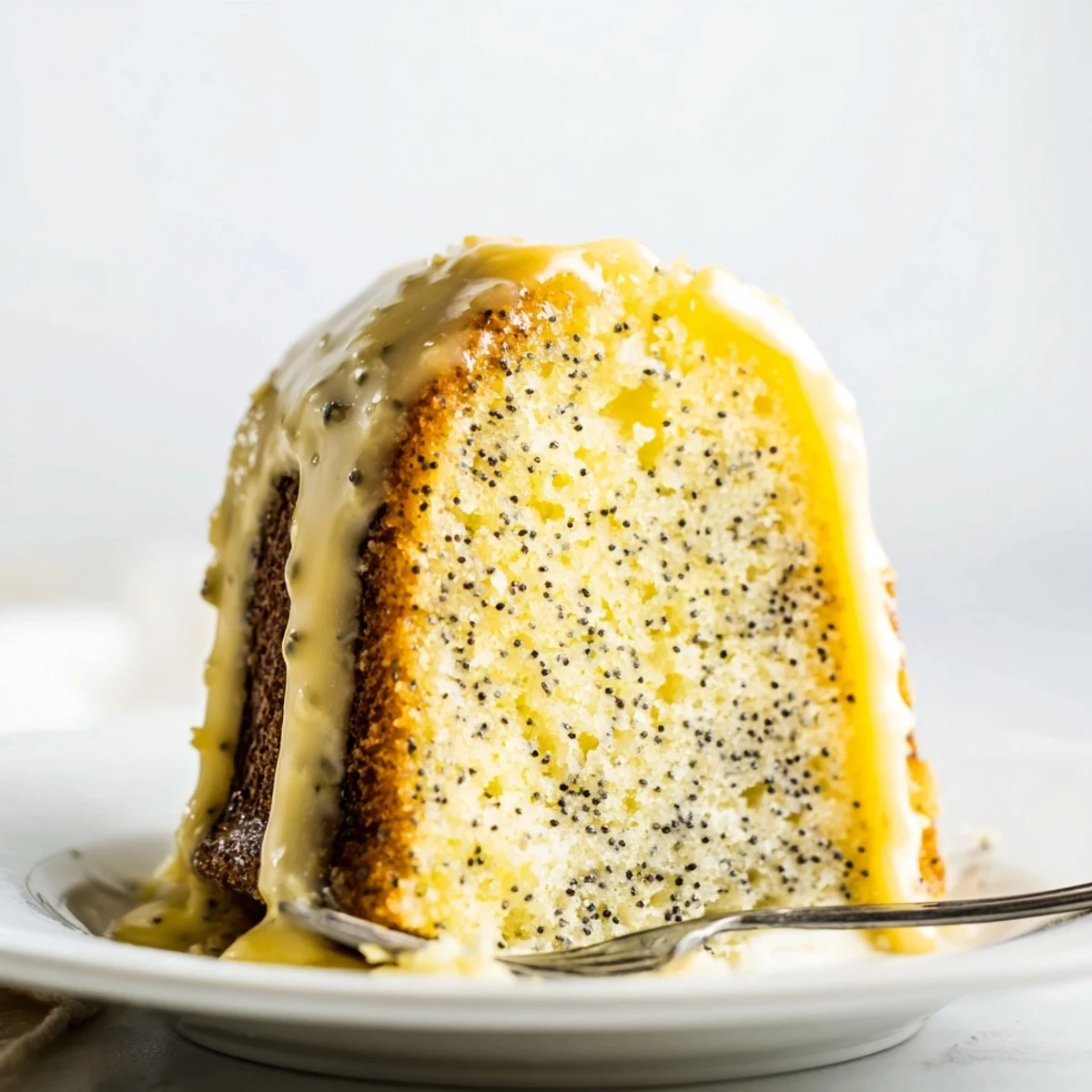
- Drizzle the glaze over the cooled cake and let it set for 15 minutes before you slice into it. This short wait lets the glaze firm up just slightly so it doesn't slide right off.
 Pin it
 What I didn't expect was how this cake would become the thing my kids request on their birthdays, not because it's fancy but because it tastes like home and effort and the moment when someone cares enough to make something with their own hands. That feels like the whole point.
The Secret of Fresh Lemon
The difference between this cake tasting bright and alive versus flat and perfumy comes down to one thing: using fresh lemon juice and zest. Bottled juice has been sitting around losing its character, and it's worth the thirty seconds to cut open a lemon and squeeze it yourself. A microplane is a small kitchen investment that will change how you bake—it gives you these paper-thin, fragrant strips of zest instead of the chunky pieces a box grater creates.
Bundt Pans and Their Personalities
Bundt pans have a reputation for being tricky, but I've found they're really just particular. The pan itself matters—older ones that have been through the dishwasher a hundred times sometimes have tiny worn spots where butter doesn't cling as well. The greasing and flouring step is not something to rush through; I use a small pastry brush and make sure I've hit every crevice, every turn. When you unmold the cake, place a cooling rack over the top and flip them together in one decisive motion, then lift the pan away slowly and carefully—hesitation is what causes cakes to stick.
The Day After
There's a reason I always make this cake on a day when I can let it sit covered at room temperature overnight. The crumb settles, the flavors deepen, and when you slice into it the next day, it has this almost velvety texture that makes you understand why it's worth the wait. You can keep it for 2 to 3 days easily, and honestly it's better on day two than on day one.
- Serve slices with fresh berries on the side or a small dollop of whipped cream to cut through the sweetness.
- A cup of tea or coffee makes this cake feel like a moment you're actually taking for yourself.
- If you have leftovers, they freeze beautifully wrapped well for up to a month, though they rarely last that long.
 Pin it
 This cake has become one of those recipes I return to again and again, not because it's complicated but because it works and it makes people happy. That's really all a recipe needs to do.
Recipe Questions & Answers
- → How should I store leftovers?
-
Wrap the cake tightly or store it in an airtight container at room temperature for up to 3 days to maintain its moisture.
- → Can I add more lemon flavor?
-
Absolutely. You can add a teaspoon of lemon extract or incorporate extra lemon zest into the batter for a more intense citrus taste.
- → Why did my cake stick to the pan?
-
Ensure every crevice of the Bundt pan is thoroughly greased and floured. Letting it cool for exactly 15 minutes helps it release easily.
- → Can I freeze this cake?
-
Yes, wrap the unglazed cake tightly in plastic wrap and foil. It freezes well for up to 3 months. Thaw and glaze before serving.
- → What causes the cake to be dense?
-
Overmixing the batter once the flour is added develops gluten, making the texture dense. Mix only until ingredients are just combined.