
 Pin it
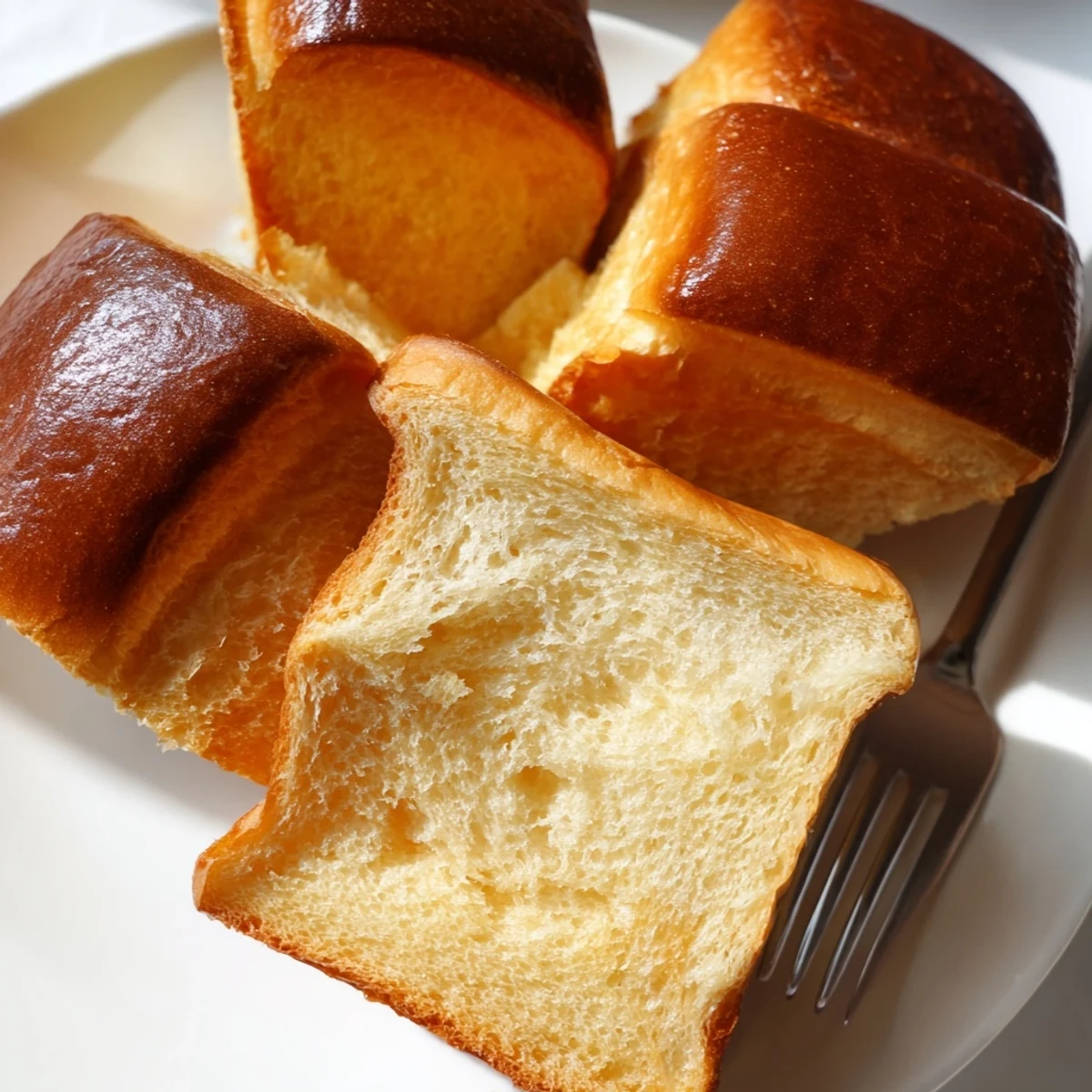
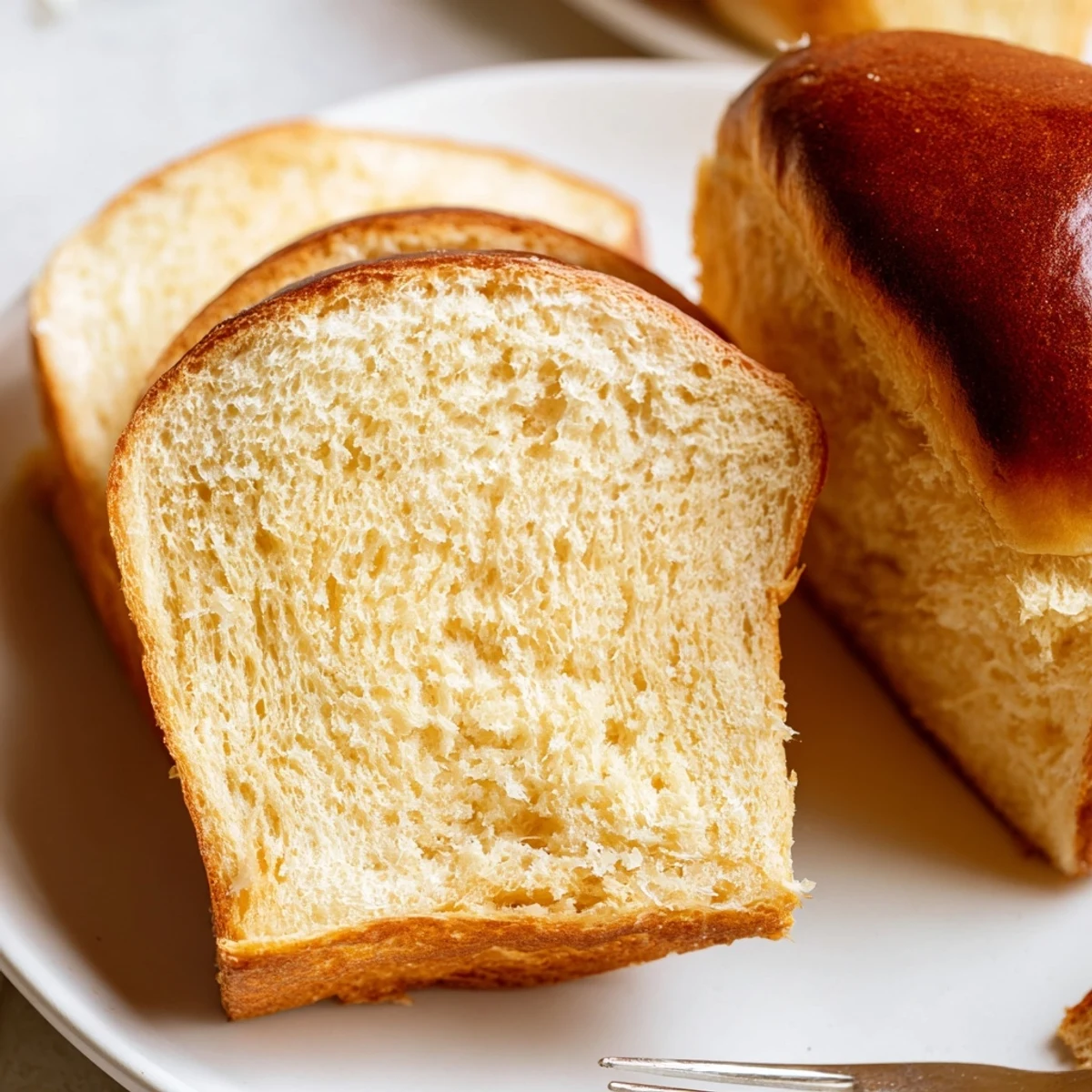
 Classic French brioche featuring rich, buttery flavor and pillowy texture. This milk-enriched bread creates a tender crumb and golden crust that's perfect for breakfast, brunch, or as an indulgent snack. The dough requires careful kneading to develop gluten and incorporates softened butter gradually for optimal texture.
The smell of butter melting into warm dough still stops me in my tracks, even after all these years of baking. My first attempt at brioche ended up as a dense, sad brick that I served to my roommate anyway, bless her heart. It took me three tries to understand that patience is actually an ingredient, not just a suggestion. Now when I pull a golden loaf from the oven, that first warm slice with melting butter reminds me why I kept trying.
I made this brioche for a Sunday brunch last fall, watching steam rise off the slices as my friends reached across the table. Someone asked if I'd ordered it from a bakery, and I laughed while butter disappeared into the warm crumb. That moment of seeing people genuinely excited about bread I'd mixed with my own hands stuck with me.
Ingredients
- 500 g all-purpose flour: Bread flour gives more structure, but I've found regular flour creates that tender, cake-like crumb that makes brioche special
- 60 g granulated sugar: This isn't supposed to taste sweet, just enough to balance the salt and help with browning
- 10 g instant yeast: I keep my yeast in the freezer, and it stays fresh for months
- 8 g fine sea salt: Don't skip this, it's what keeps the butter from tasting too heavy
- 4 large eggs, room temperature: Cold eggs will shock your dough and slow everything down dramatically
- 120 ml whole milk, lukewarm: Think bathwater temperature, not hot enough to kill the yeast
- 150 g unsalted butter, softened: Let it sit out for at least an hour so it incorporates into the dough without leaving greasy streaks
- Egg wash ingredients: 1 egg yolk and 1 tablespoon milk create that deep, professional-looking golden shine
Instructions
- Mix your base:
- Combine flour, sugar, yeast, and salt in your stand mixer, then pour in the eggs and warm milk
- Build the structure:
- Mix on low until everything comes together in a shaggy mess, then let it work on medium for about 5 minutes until smooth
- Add the butter gradually:
- Toss in butter pieces one at a time, letting each disappear before adding the next, then knead for 10 minutes until the dough is glossy and pulling away from the bowl
- First rise:
- Shape the dough into a ball, set it in a greased bowl, and walk away for anywhere from 1 to 1.5 hours until it's puffed up dramatically
- Shape your loaf:
- Gently press out the gas, divide into three pieces, roll each into a rope, and braid them like hair before tucking into a buttered 9x5-inch pan
- Final rise:
- Cover loosely and let it puff up again for about 45 minutes until it looks threateningly large and soft to the touch
- Give it some shine:
- Whisk your egg wash and brush it on gently, taking care not to deflate all that beautiful rise you just built
- Bake to glory:
- Slide it into a 180°C (350°F) oven for 25 to 30 minutes until deeply golden and a skewer comes out clean
 Pin it
 This bread has become my go-to when I want to make something that feels special without being fussy. Last Christmas morning, my sister took one bite of French toast made from this brioche and immediately asked for the recipe.
Understanding The Butter Technique
The magic of brioche happens when you add butter slowly, letting each piece fully merge into the dough before reaching for the next. I tried rushing this once, adding all the butter at once, and ended up with a greasy, separated mess that never quite baked right. Think of it like making a sauce, where patience transforms the texture completely.
Getting That Perfect Rise
Brioche dough is heavy, which means it needs warm, undisturbed time to puff up properly. I've found that turning on my oven light and placing the dough nearby creates just enough gentle warmth without overheating. If your kitchen runs cold, the rise might take longer, and that is completely fine.
Shaping And Storage
A simple braid looks impressive, but I've also shaped this into rolls, knot shapes, and even baked it in a round pan. The dough holds whatever shape you choose, as long as you handle it gently to preserve all those precious air bubbles.
- Freeze individual slices wrapped tightly for up to a month, and toast straight from frozen
- Day-old brioche makes exceptional French toast or bread pudding, the slightly stale texture actually absorbs custard better
- Store the loaf at room temperature for 2 to 3 days, though it rarely lasts that long in my house
 Pin it
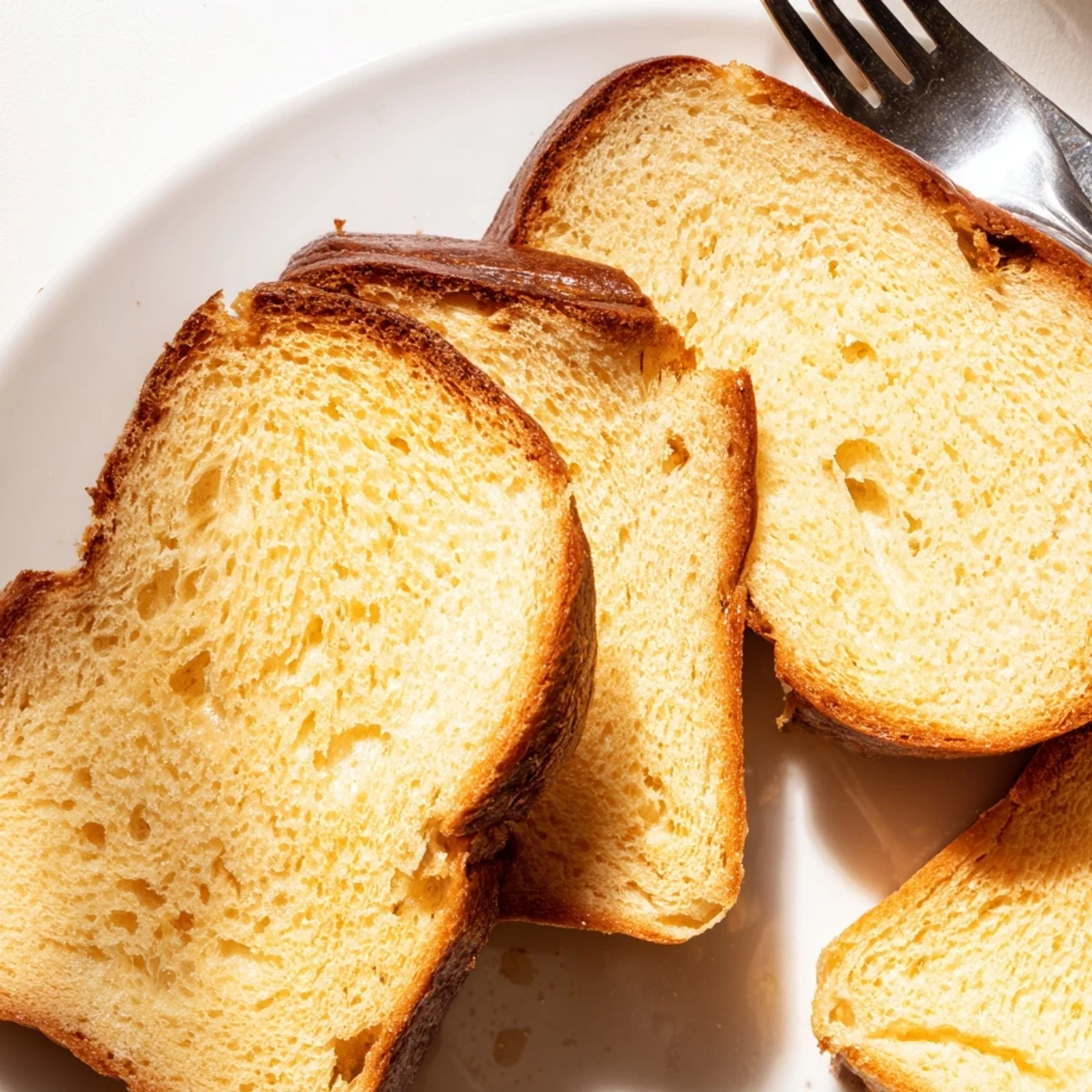
 There is something deeply satisfying about pulling a homemade brioche from the oven, golden and fragrant, knowing you created something this beautiful from humble ingredients.
Recipe Questions & Answers
- → Can I use active dry yeast instead of instant yeast?
-
Yes, you can substitute active dry yeast. Use the same quantity but dissolve it in warm milk for 5 minutes before adding to the flour mixture. The rising time may increase slightly.
- → Why is my brioche dough so sticky?
-
Brioche dough naturally has a higher fat and sugar content, making it stickier than regular bread dough. Continue kneading until it becomes smooth and elastic, using a lightly floured surface if needed.
- → How do I know when the brioche is fully baked?
-
The brioche should be golden brown and sound hollow when tapped on the bottom. A skewer inserted in the center should come out clean without any wet dough.
- → Can I make this without a stand mixer?
-
Yes, you can knead the dough by hand. It will require more effort and time (about 15-20 minutes) to develop the gluten properly and incorporate the butter gradually.
- → How should I store leftover brioche?
-
Store at room temperature in an airtight container for 2-3 days. For longer storage, freeze slices in an airtight bag for up to 1 month. Thaw at room temperature or toast directly from frozen.