
 Pin it
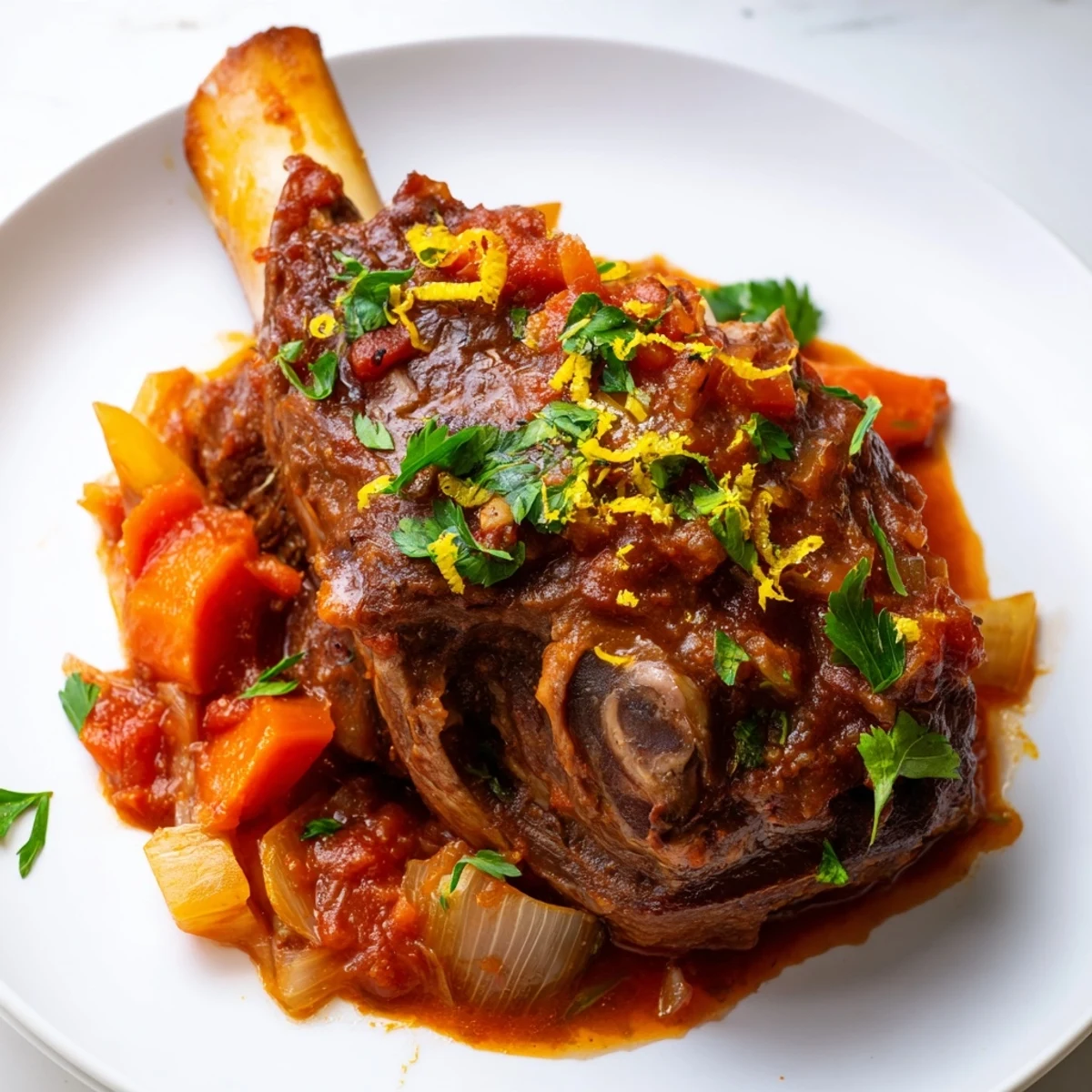
 Savor the rich flavors of this classic Italian braised veal dish, where thick shanks are slowly cooked for over two hours until fork-tender. The meat is first lightly dredged and seared to develop deep flavor, then simmered in a robust sauce featuring San Marzano tomatoes, dry white wine, and aromatic vegetables.
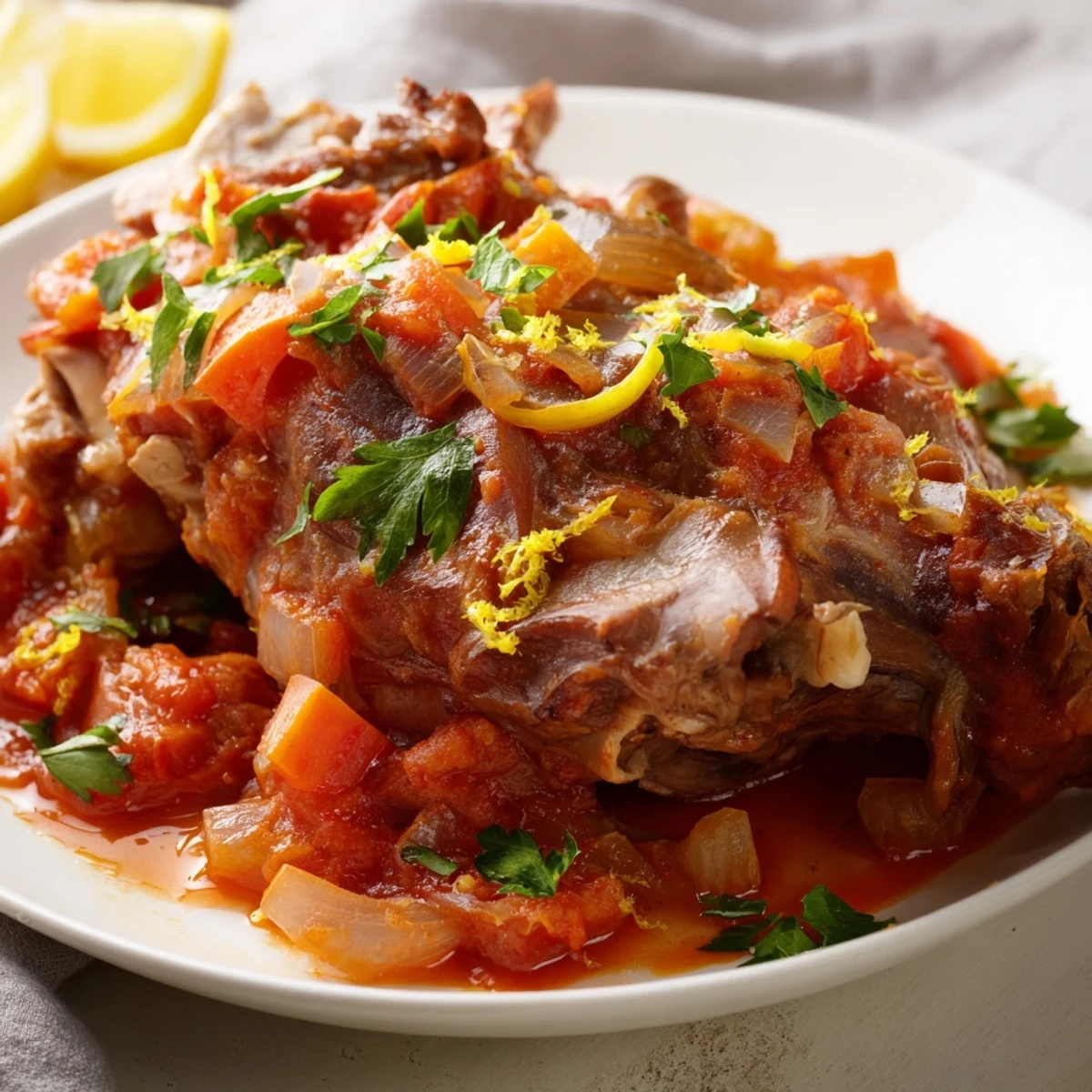
Each serving delivers tender, succulent meat that nearly falls off the bone, complemented by fresh thyme, bay leaves, and bright lemon zest. Traditional gremolata garnish adds a final burst of citrusy freshness.
Perfect served over risotto alla Milanese, creamy polenta, or mashed potatoes to soak up the flavorful sauce. This comforting main dish yields six generous portions and pairs beautifully with crusty bread and a glass of Italian wine.
The first time I made osso buco, I was terrified I would ruin such an expensive cut of meat. My grandmother had told me stories about Italian nonnas spending all Sunday afternoon tending to their pots, and I wanted to honor that tradition even in my tiny apartment kitchen. When I finally lifted that heavy lid after two and a half hours, the smell was so incredible that my roommate actually came out of her room to investigate. That dinner turned into an impromptu gathering with friends who happened to be nearby, drawn in by the aromas wafting into the hallway.
I made this for my father's birthday one year, and he kept talking about it for months afterward. He is usually the type who finishes his meal in silence, so watching him go back for thirds was basically a five-star review in my book. There is something deeply satisfying about serving a dish that looks and tastes this impressive, especially when you know most of the work happens in the oven while you are free to enjoy a glass of wine.
Ingredients
- 6 veal shanks (about 2 inches thick): These are the star of the show, so do not skimp on quality or thickness. Ask your butcher to cut them from the middle of the shank for the best meat-to-bone ratio.
- 1/2 cup all-purpose flour: This creates that gorgeous golden crust and helps thicken your sauce naturally as it braises.
- 1 tsp kosher salt and 1/2 tsp black pepper: Season generously here because this is your main chance to flavor the meat itself.
- 2 tbsp olive oil: Use a good quality oil since you are building layers of flavor from the very first sear.
- 2 tbsp unsalted butter: Butter adds a richness that olive oil alone cannot achieve, plus it helps with that beautiful browning.
- 1 large yellow onion, 2 carrots, and 2 celery stalks (all diced): This classic mirepoix base creates the savory foundation of your braising liquid.
- 4 garlic cloves, minced: Fresh garlic is non-negotiable here. Add it right before the wine so it does not burn.
- 1 cup dry white wine: Something you would actually drink. Pinot Grigio or Sauvignon Blanc work beautifully.
- 1 28-oz can whole San Marzano tomatoes, hand-crushed: Crushing them by hand gives you a rustic texture and lets you feel connected to the process.
- 2 cups chicken stock: Homemade stock is ideal, but a good quality store-bought one will absolutely do the job.
- 2 tsp fresh thyme leaves and 2 bay leaves: These herbs add that earthy, aromatic quality that makes osso buco taste like it has been cooking all day.
- Zest of 1 lemon and 2 tbsp chopped fresh parsley: These bright, fresh elements cut through all that rich, savory goodness.
Instructions
- Get your oven ready and your shanks prepped:
- Preheat your oven to 325°F. Pat those veal shanks completely dry with paper towels. Mix your flour, salt, and pepper in a shallow dish, then lightly coat each shank. Shake off the excess because you want a thin coating, not a batter.
- Create that gorgeous golden crust:
- Heat the olive oil and butter in your large Dutch oven over medium-high heat. Brown the veal shanks on all sides for about 3-4 minutes per side. You are looking for a deep, beautiful brown, not just a light tan. Set them aside on a plate.
- Build your flavor foundation:
- Add the onions, carrots, and celery to that same pot. Cook them for about 8 minutes until they are softened and starting to smell amazing. Add the garlic for just one minute until fragrant.
- Deglaze like you mean it:
- Pour in that white wine and use your wooden spoon to scrape up every single browned bit from the bottom. Let it bubble for 2-3 minutes until slightly reduced. This step is where half the flavor lives.
- Assemble everything for the long haul:
- Add the crushed tomatoes with all their juices, chicken stock, thyme, bay leaves, and lemon zest. Give it a good stir. Nestle those beautiful browned shanks back into the pot, making sure they are surrounded by liquid.
- Let the oven work its magic:
- Bring everything to a simmer on the stovetop, then cover and transfer to your preheated oven. Braise for 2 to 2.5 hours. You will know it is done when the meat is fork-tender and practically falling off the bone.
- Finish with those bright, fresh notes:
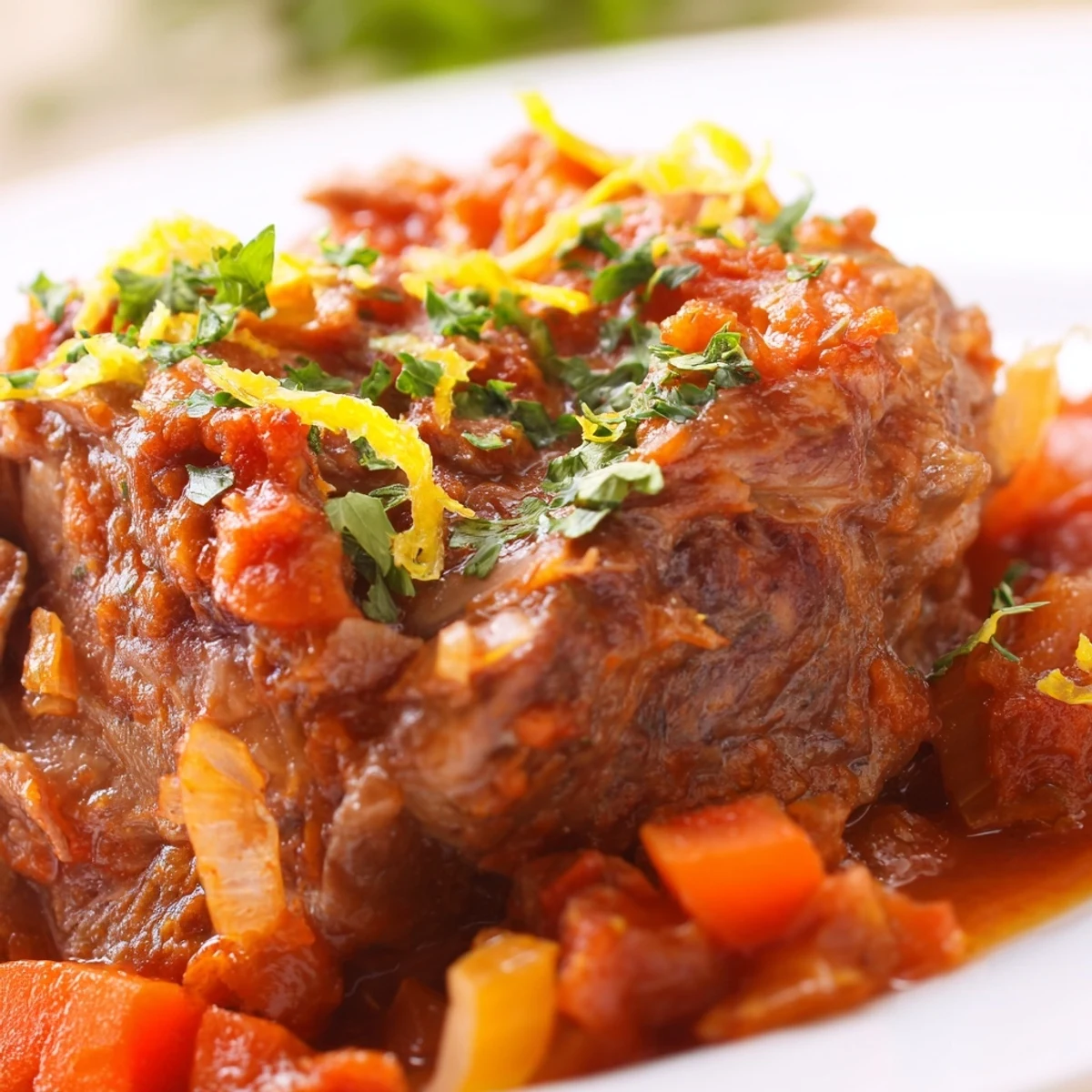
- Remove the bay leaves and skim any excess fat from the surface. If you are making the gremolata, mix the parsley, minced garlic, and lemon zest. Sprinkle it over the osso buco right before serving to add this incredible burst of freshness.
 Pin it
 The time I served this at a dinner party, one of my guests actually asked if I had secretly ordered takeout from an Italian restaurant. Watching everyone go quiet as they took their first bites was one of those moments where you feel like a legitimate cook, even if you are still figuring out the rest of life.
Choosing the Right Wine
When you are selecting wine for cooking, use something you would actually enjoy drinking. The wine flavor concentrates as it reduces, so any off-flavors or harsh notes will become more pronounced. I have learned this the hard way after using a cheap bottle I would never drink straight. Now I always pour myself a glass while I cook, which seems like a very Italian way to approach the whole process anyway.
The Art of Braising
Braising is basically magic, turning tough, inexpensive cuts into meltingly tender perfection through the combination of time and gentle heat. The liquid barely bubbles, keeping the meat moist while breaking down all those connective tissues into gelatin. That gelatin is what gives osso buco its luxurious, silky mouthfeel. I have found that patience is the secret ingredient that cannot be bought.
Making It Your Own
While traditional osso buco is perfect as written, do not be afraid to make it work for your life. I have made it with beef shanks when veal was unavailable, and it was still deeply satisfying. The gremolata is optional, but that bright hit of lemon and garlic really does make the dish sing. You can serve it over risotto, polenta, or even mashed potatoes depending on your mood and the occasion.
- Make it the day before for even better flavor
- Double the recipe because leftovers freeze beautifully
- Remember to save any leftovers for sandwiches the next day
 Pin it
 There is something profoundly grounding about making a dish like this, about tending to a pot for hours and feeding people you care about. Good food is never just about the ingredients.
Recipe Questions & Answers
- → What cut of meat works best for osso buco?
-
Traditional osso buco uses veal shanks cut about 2 inches thick. The shank's connective tissue breaks down during slow braising, creating incredibly tender meat and naturally thickening the sauce. Beef shanks make an excellent substitute if veal isn't available.
- → How do I know when the meat is done?
-
The veal shanks are ready when a fork slides in easily and the meat nearly falls off the bone. This typically takes 2-2.5 hours of braising at 325°F. The meat should be meltingly tender but not completely falling apart.
- → Can I make this gluten-free?
-
Absolutely. Simply use gluten-free flour for dredging or skip the flour coating entirely. The browning step still creates excellent flavor without flour. Ensure your chicken stock and other ingredients are certified gluten-free.
- → What should I serve with osso buco?
-
Traditional accompaniments include risotto alla Milanese, creamy polenta, or mashed potatoes. These sides perfectly absorb the rich braising liquid. Crusty bread, roasted vegetables, or a simple arugula salad also complement the dish beautifully.
- → Can I prepare this in advance?
-
Osso buco actually tastes better when made ahead. Prepare the dish completely, then refrigerate overnight. The flavors deepen and the fat solidifies for easy removal. Reheat gently on the stovetop or in a 350°F oven until warmed through.
- → What is gremolata and why is it used?
-
Gremolata is a fresh garnish made from chopped parsley, minced garlic, and lemon zest. Sprinkled over osso buco just before serving, it adds bright, zesty contrast to the rich, slow-cooked meat. It's a classic finishing touch that cuts through the richness.