
 Pin it
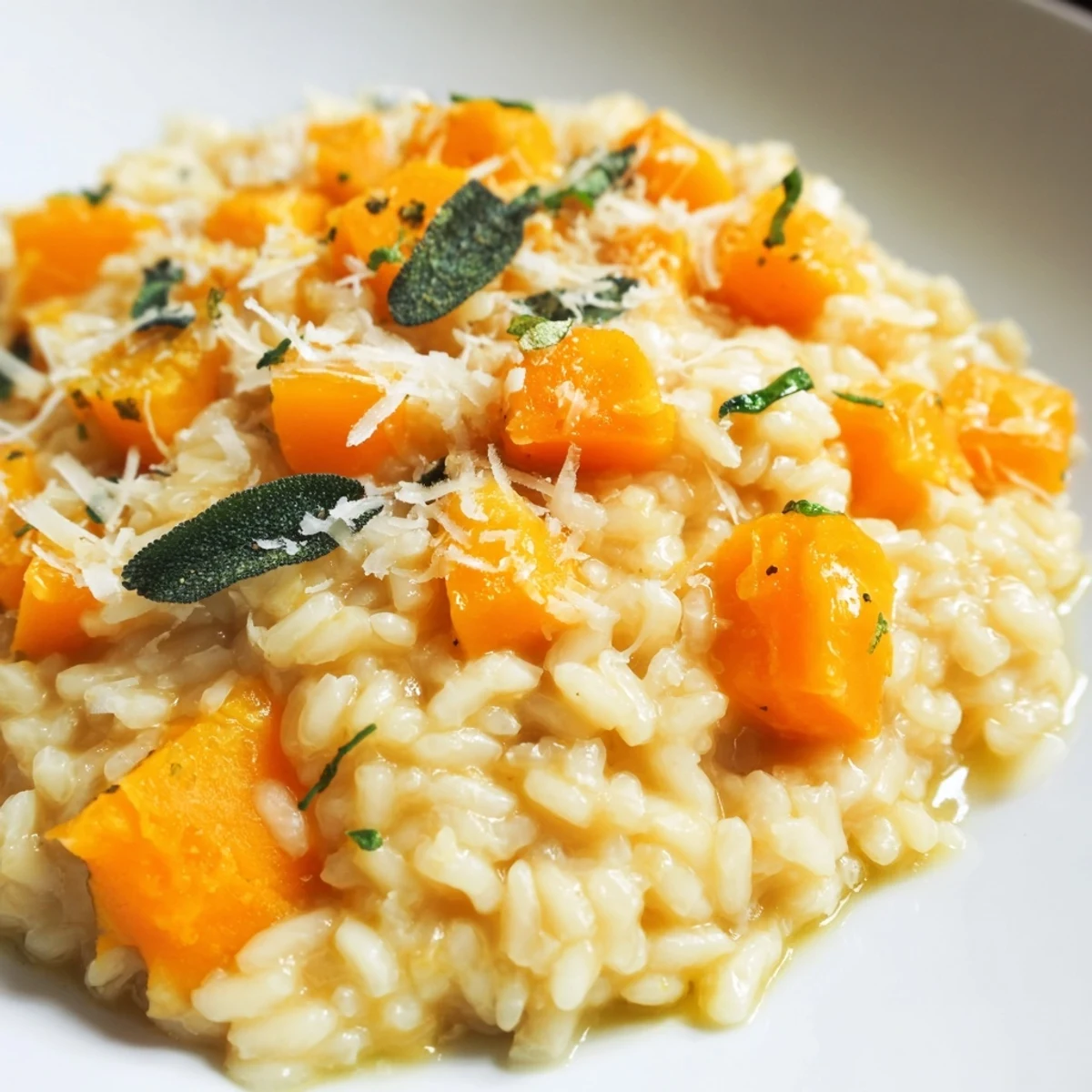
 This comforting dish features roasted butternut squash cubes folded into creamy Arborio rice, enhanced with garlic, onions, and fresh sage. Slow-cooked by adding warm vegetable broth gradually, the rice develops a tender yet slightly firm texture. Finished with Parmesan cheese and butter for richness, this meal offers a balance of sweet, savory, and aromatic flavors perfect for an inviting dinner.
There's something about butternut squash in autumn that makes me want to slow down and cook. One October evening, I was restless in the kitchen, and instead of my usual quick weeknight meal, I found myself caramelizing cubes of squash in the oven while the whole house filled with this warm, almost honeyed smell. By the time I stirred them into creamy risotto, I realized I'd stumbled onto something I'd want to make again and again. It's the kind of dish that feels fancy but never pretentious, and it came from just following my nose and my mood.
I made this for friends who showed up on a rainy Sunday with no plans, and it became the kind of meal that made everyone linger at the table. One of them asked for the recipe, and I realized it wasn't just the food they wanted, but that feeling of being somewhere warm and cared for. That's what this risotto does—it turns ingredients into an invitation to sit down and be present.
Ingredients
- 1 small butternut squash (about 2 lbs), peeled, seeded, and cut into 1/2-inch cubes: Even-sized pieces roast evenly and caramelize beautifully; don't rush this step, as the golden edges are where the real flavor hides.
- 2 tbsp olive oil (for roasting): Use a good-quality oil here, since it directly seasons the squash and affects the final taste.
- 1/2 tsp salt and 1/4 tsp freshly ground black pepper (for squash): Freshly ground pepper makes a noticeable difference; pre-ground loses its bite.
- 5 cups low-sodium vegetable broth: Low-sodium lets you control the salt level throughout cooking, and warm broth incorporates more smoothly into the rice.
- 2 tbsp unsalted butter, divided: Splitting the butter between sautéing and finishing gives you depth without overwhelming richness.
- 1 tbsp olive oil (for cooking): This helps the onion soften without browning too quickly.
- 1 small yellow onion, finely diced: The finer you dice, the better it melts into the risotto and disappears into creaminess.
- 2 garlic cloves, minced: Garlic cooked gently adds warmth rather than sharpness; don't let it brown.
- 1 1/2 cups Arborio rice: Its starches release as you stir, creating that signature creamy texture; don't substitute short-grain varieties.
- 1/2 cup dry white wine: The acidity brightens the dish; skip this and the risotto tastes flat.
- 1/2 cup grated Parmesan cheese (plus extra for serving): Freshly grated melts more smoothly than pre-grated; add it off heat to keep it silky.
- 2 tbsp chopped fresh sage (or 1 tsp dried): Fresh sage is worth seeking out here—it's herbaceous and slightly peppery in a way that complements squash perfectly.
- Salt and pepper, to taste: Always taste before serving and adjust; the broth's saltiness varies between brands.
Instructions
- Roast the squash until it catches golden edges:
- Preheat your oven to 425°F and toss your squash cubes with olive oil, salt, and pepper until they're well coated. Spread them on a baking sheet in a single layer—don't crowd them, or they'll steam instead of caramelize—and roast for 25 to 30 minutes, turning halfway through. You're looking for golden, almost caramelized edges and a fork-tender interior; this is where most of the squash's flavor concentrates.
- Warm your broth and keep it close:
- Pour your vegetable broth into a small saucepan and bring it to a gentle simmer over low heat. Keeping the broth warm means it will incorporate into the rice smoothly without shocking the grains and creating starch clumps.
- Build your flavor base with aromatics:
- In a large, heavy-bottomed pot, melt 1 tablespoon of butter with 1 tablespoon of olive oil over medium heat. Once it's foaming gently, add your finely diced onion and cook for 3 to 4 minutes, stirring occasionally, until it turns soft and translucent—this is your moment to really listen to the quiet sizzle, a sign that the onion is softening, not browning. Add the minced garlic and cook for another minute, just until fragrant.
- Toast the rice to seal in its structure:
- Stir in your Arborio rice and cook, stirring constantly, for about 2 minutes. You'll hear it click gently against the pot; this toasting step helps each grain stay distinct rather than turning to mush later.
- Deglaze with wine and let it sing:
- Pour in your dry white wine and stir until it's completely absorbed by the rice. The acidity brightens everything that comes next.
- Add broth slowly and stir with intention:
- Add your warm broth about half a cup at a time, stirring frequently. Wait until each addition is nearly absorbed—you should be able to drag your spoon through the rice and see the bottom of the pot for a moment—before adding more. This takes about 20 minutes total, and it's the most important part: the constant stirring releases the rice's starch, which creates that signature creamy texture.
- Fold in the sweet and savory finale:
- When the rice is creamy and tender but still has a slight bite in the center (al dente), gently fold in your roasted butternut squash, grated Parmesan, and remaining 1 tablespoon of butter. Add your fresh sage, then taste and adjust salt and pepper—remember that the Parmesan already brings saltiness.
- Serve immediately while it's still flowing:
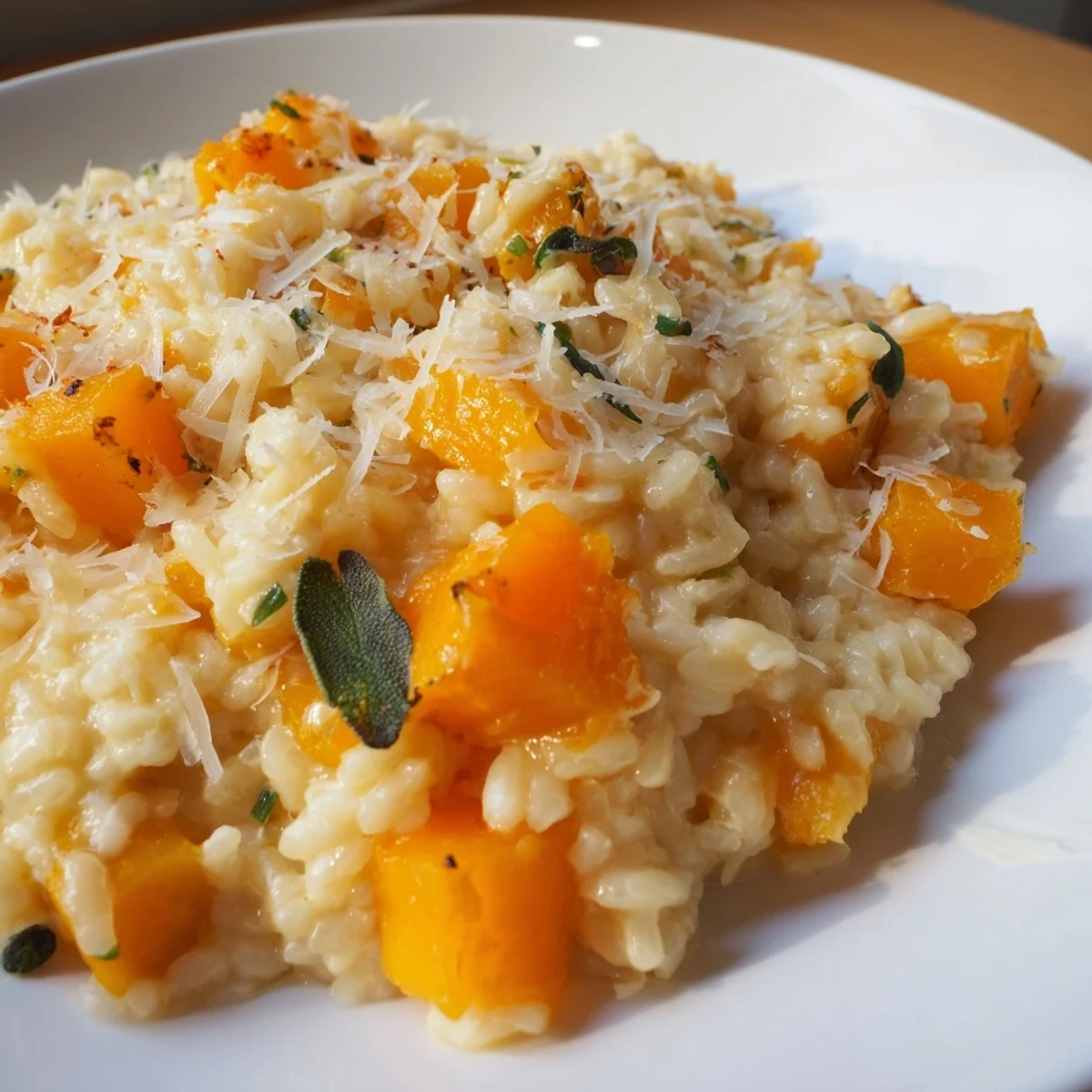
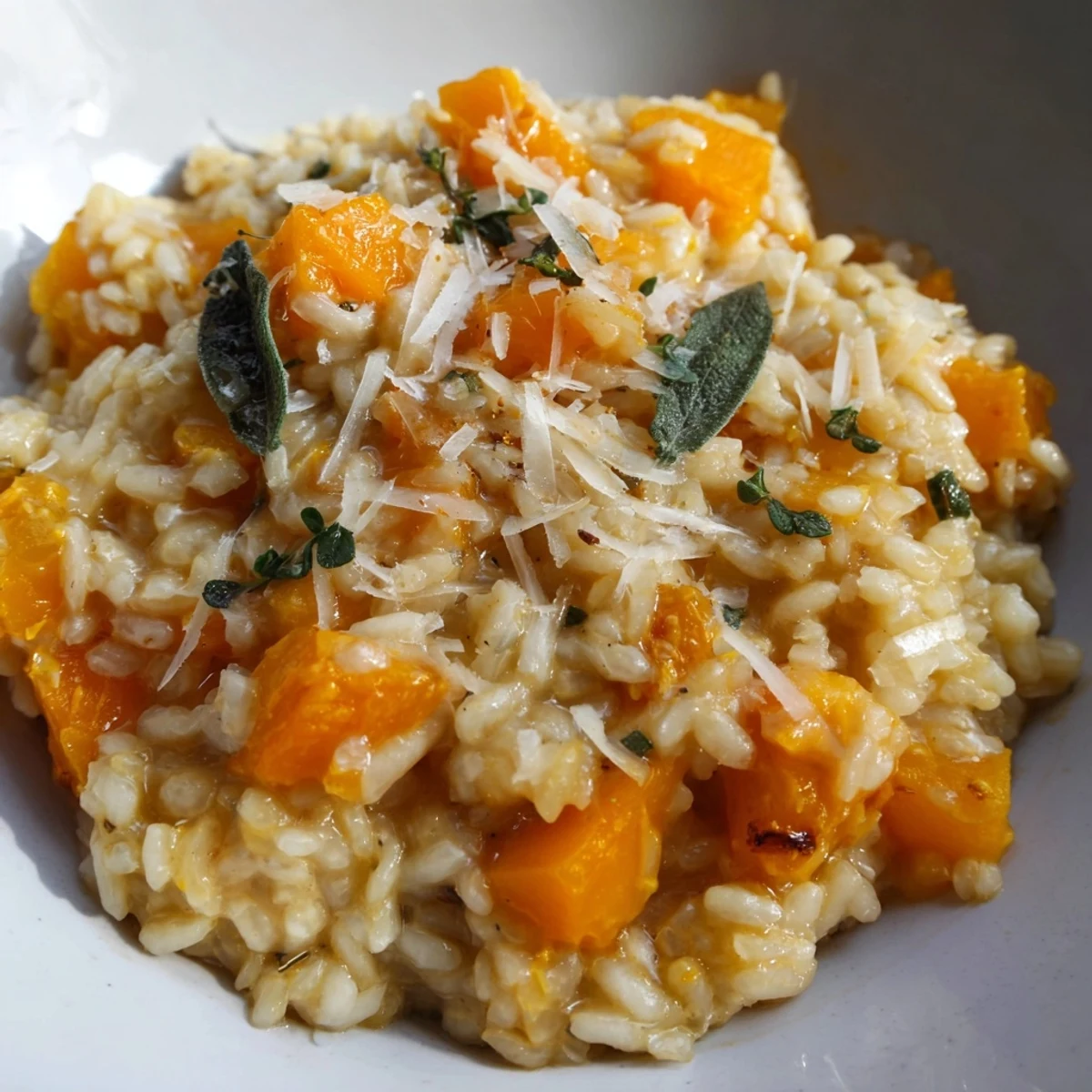
- Risotto waits for no one; plate it right away and top with extra Parmesan and a few sage leaves if you have them.
 Pin it
 I learned something quiet while making this dish: good food doesn't have to be complicated to be meaningful. There's beauty in the rhythm of stirring, in watching the rice transform from separate grains into something unified and creamy, in the generosity of serving something warm to people you care about. This risotto taught me that the simplest ingredients, treated with attention, are enough.
Choosing and Preparing Your Butternut Squash
A good butternut squash should feel heavy for its size and have a deep, unblemished tan skin. Avoid any that are soft or have dark spots, as these signal age and watery flesh. If you're intimidated by peeling raw squash—and honestly, it's a legitimate concern—try roasting it whole first, then scooping out the flesh. The skin will soften after about 45 minutes in a 400°F oven, and everything becomes easier and safer.
The Stirring Rhythm: Why It Matters More Than You Think
The first time I made risotto without really paying attention, I treated it like a set-it-and-go dish and barely stirred. The result was gluey in some spots and crunchy in others, a texture that felt broken. The next time, I stayed present, stirring steadily, and everything transformed into something silky. The stirring isn't busywork; it's a conversation between you and the rice, coaxing out exactly what you need at exactly the right pace.
Variations Worth Trying
Once you master the basic technique, this risotto becomes a canvas for seasonal changes and personal preferences. In winter, I've added toasted walnuts or pine nuts for crunch, and in spring I've swapped sage for fresh tarragon. For a vegan version, use plant-based butter and nutritional yeast instead of Parmesan—the umami is still there, just wearing a different face.
- A handful of toasted walnuts or pine nuts stirred in at the end adds a pleasant crunch that contrasts beautifully with the creamy rice.
- If you make this vegan, add the nutritional yeast off the heat to preserve its nutty flavor and prevent any grittiness.
- This pairs beautifully with a crisp white wine like Pinot Grigio, which echoes the acidity already in the dish.
 Pin it
 This risotto is one of those dishes that asks very little of you but gives back generously. It's the meal that turns an ordinary evening into something worth remembering.
Recipe Questions & Answers
- → How do I roast butternut squash evenly?
-
Cut the squash into evenly sized cubes, toss with olive oil, salt, and pepper, then roast at 425°F (220°C) for 25–30 minutes, turning once to ensure even browning.
- → What is the best rice for creamy texture?
-
Arborio rice is ideal as its high starch content creates a creamy, velvety texture when cooked slowly with broth.
- → Can I make this dish gluten-free?
-
Yes, by using gluten-free vegetable broth and ensuring all ingredients are gluten-free, the dish suits a gluten-free diet.
- → How do I achieve the perfect risotto consistency?
-
Add warm broth gradually, stirring frequently and allowing each addition to be absorbed before adding more. This releases starch for a creamy finish.
- → What herbs complement butternut squash in this dish?
-
Fresh sage pairs beautifully, adding a subtle earthy aroma that enhances the natural sweetness of the squash.