
 Pin it
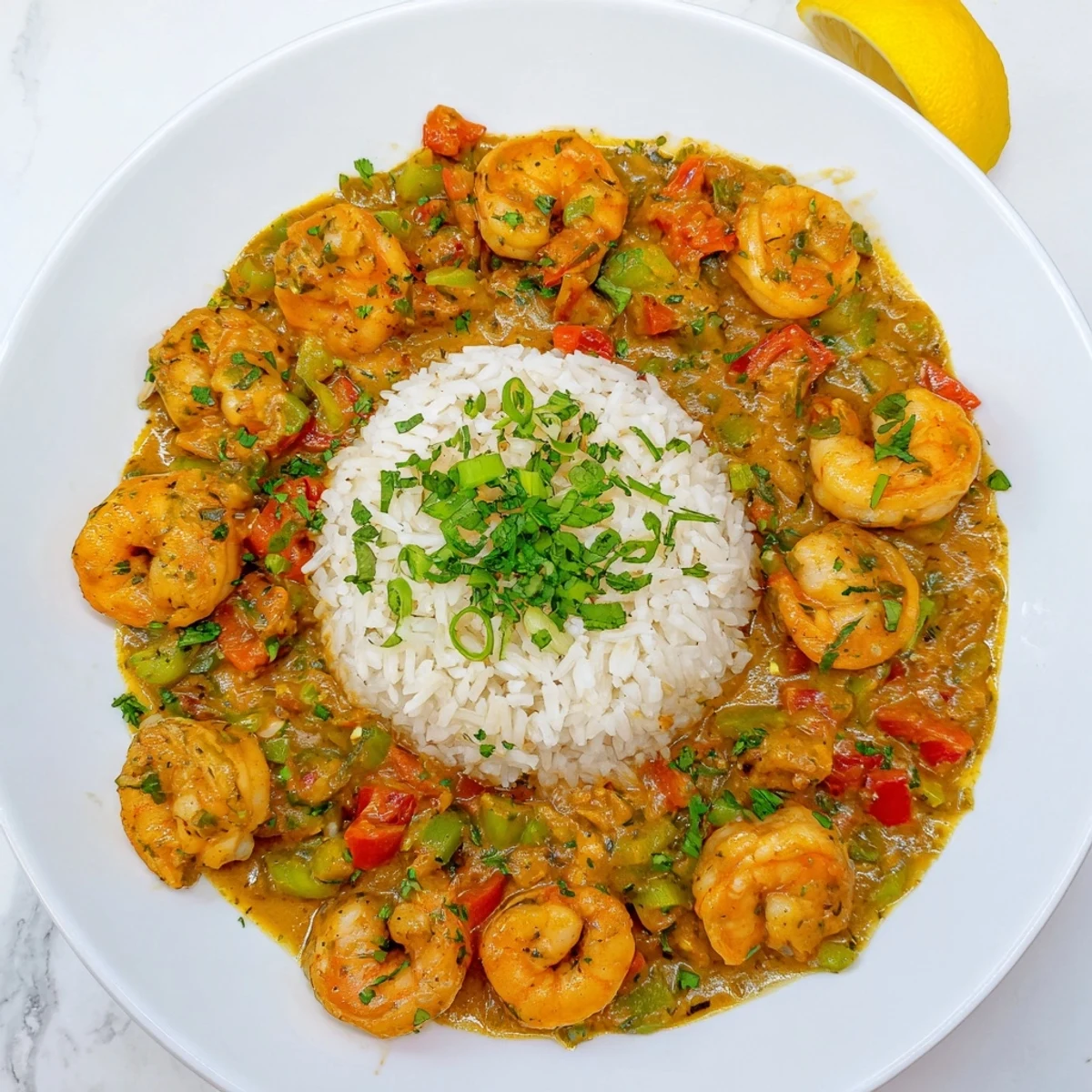
 This beloved Louisiana Creole dish features succulent shrimp simmered in a deeply flavorful roux-based sauce. The foundation starts with a dark golden roux made from butter and flour, cooked slowly to develop rich nutty notes. The "holy trinity" of onion, celery, and bell pepper adds depth and sweetness, while garlic, Creole seasoning, thyme, and smoked paprika provide layers of aromatic complexity. Diced tomatoes bring acidity that balances the richness, and a touch of cayenne offers adjustable heat.
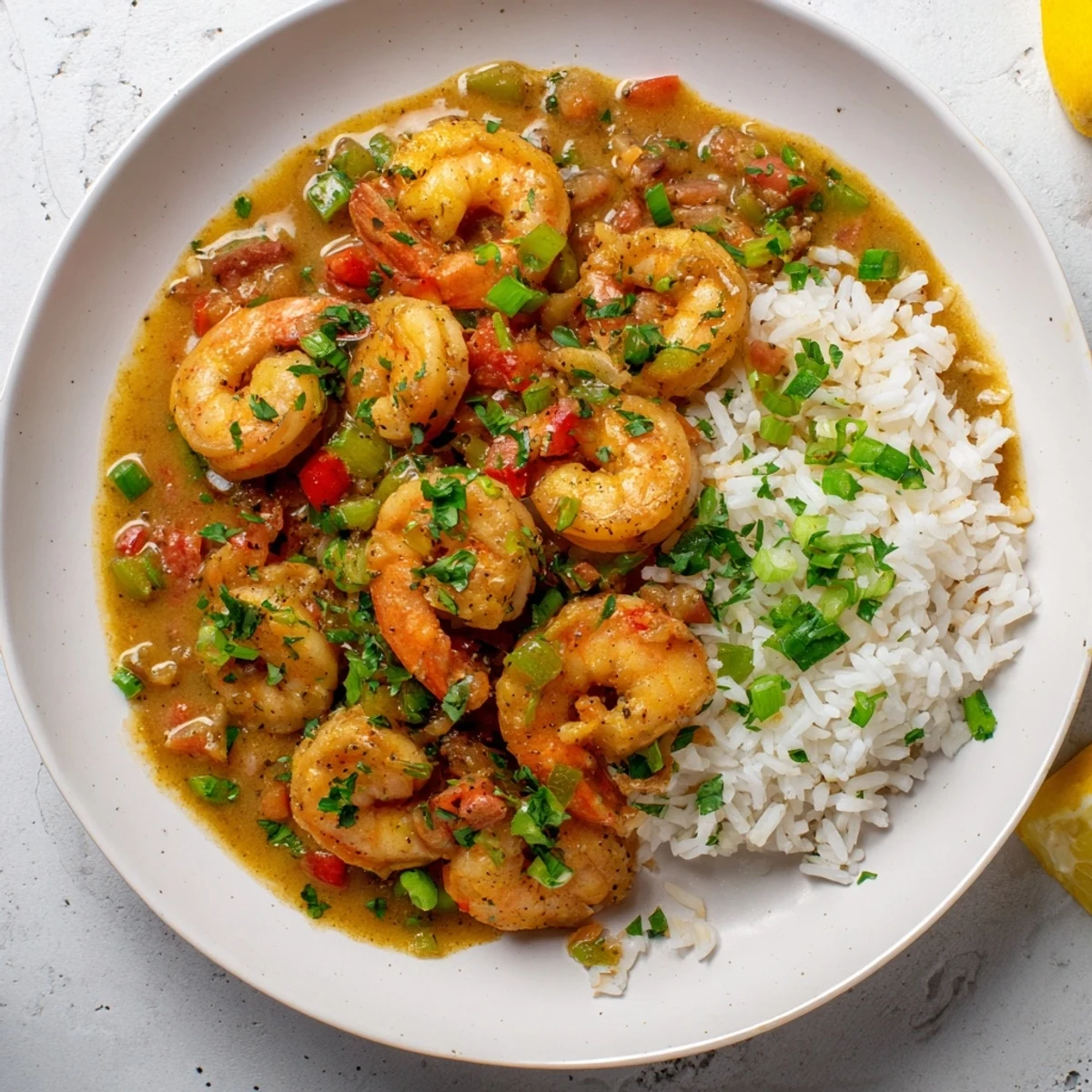
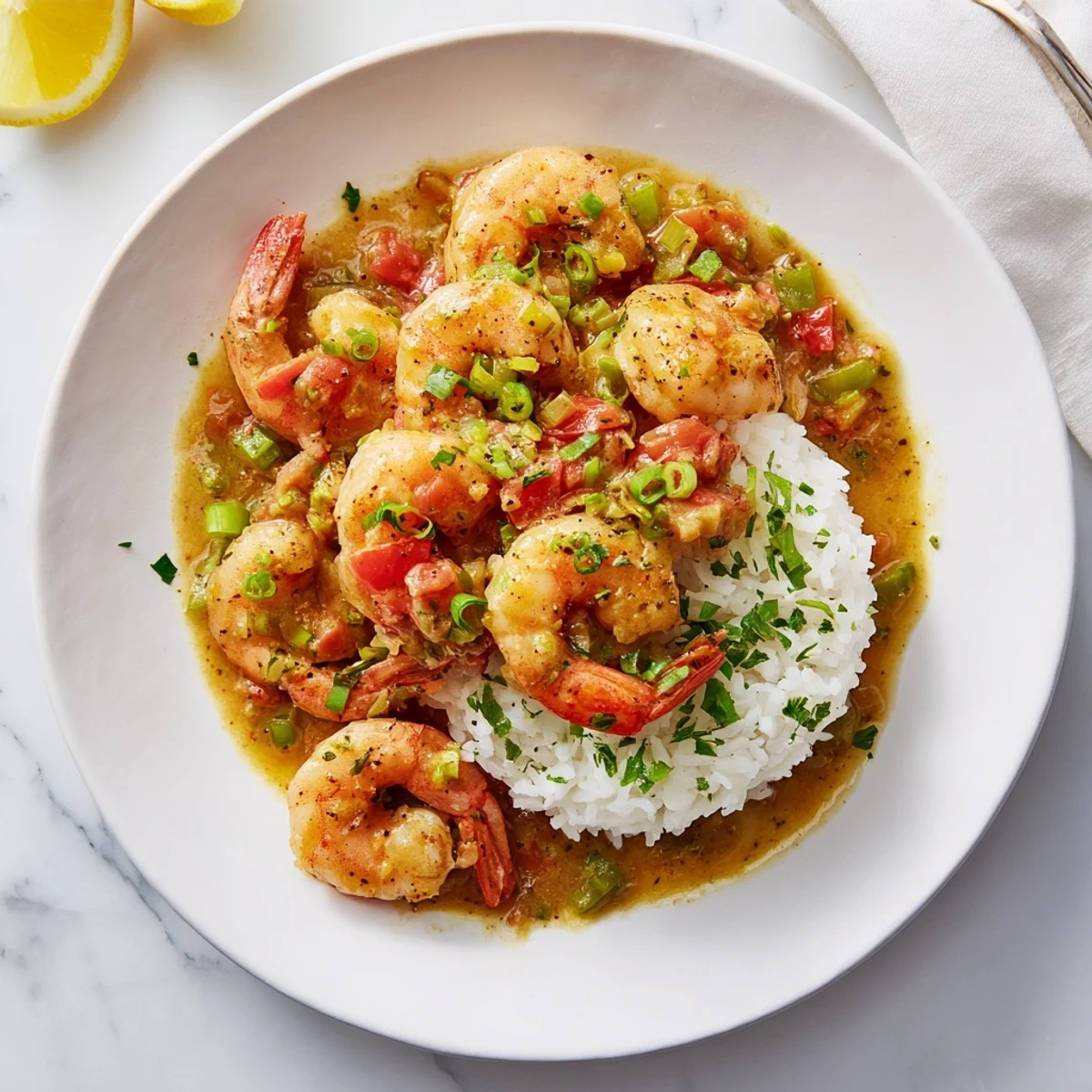
The étouffée thickens beautifully as it simmers, creating a velvety sauce that clings to each plump shrimp. Serve over fluffy white rice to soak up every drop of this comforting, soul-warming dish. Garnished with fresh green onions and parsley, it captures the authentic essence of Creole cooking.
The first time I attempted étouffée, I stood over that roux for what felt like an hour, my arm aching from constant stirring, convinced I'd ruined it when it turned from pale blonde to an angry coffee-colored paste. My grandmother would've laughed at my panic. That deep, nearly burnt color is exactly where the magic lives. Now I make it on rainy Tuesdays when the house needs something that smells like patience and butter.
I served this at a dinner party where my friend Sarah, who claims she hates spicy food, went back for thirds. She kept asking what I put in the sauce. The secret isnt heat, its depth. That roux carries the weight of the whole dish, and the tomatoes brighten it just enough so people dont realize how much butter theyre eating until theyre licking the plate.
Ingredients
- 1 1/2 pounds large shrimp: Fresh shrimp makes all the difference here. If youre using frozen, thaw them completely and pat them dry with paper towels so they sear instead of steam.
- 2 teaspoons Creole seasoning: Emerils Essence works beautifully, but any quality Creole blend will do. Toss half with the shrimp before cooking and save the rest for the sauce.
- 1/2 cup finely chopped onion: The holy trinity of Cajun cooking starts here. Finely chop everything so the vegetables melt into the roux.
- 1/2 cup finely chopped celery: Dont skip this. It adds an earthy backbone that balances the tomatoes sweetness.
- 1/2 cup finely chopped green bell pepper: Fresh bell pepper brings a subtle grassiness that cuts through the rich roux.
- 2 cloves garlic, minced: Add this after the vegetables soften so it doesnt turn bitter.
- 6 tablespoons unsalted butter: Unsalted butter lets you control the seasoning. Do not substitute with oil for your first attempt.
- 1/4 cup all-purpose flour: This combines with the butter to create the foundation of the dish. A dark roux is non-negotiable for authentic flavor.
- 2 cups seafood or chicken stock: Seafood stock adds depth, but chicken stock works perfectly fine. Use low sodium if you can find it.
- 1 can diced tomatoes, drained: Drain them well. Too much liquid will thin out your sauce and extend the cooking time.
- 2 bay leaves: These add a subtle herbal note. Remember to fish them out before serving.
- 1/2 teaspoon dried thyme: Dried thyme holds up better than fresh in long-simmered sauces.
- 1/2 teaspoon smoked paprika: This gives the dish its characteristic reddish hue and a whisper of smoke.
- 1/4 teaspoon cayenne pepper: Start with less if youre sensitive to heat. You can always add more at the end.
- Salt and freshly ground black pepper: Taste the sauce before adding any salt. The Creole seasoning and stock may be salty enough.
- 4 cups cooked white rice: Long-grain white rice works best. The grains stay separate and dont compete with the sauce.
- 2 tablespoons chopped green onions: These add a fresh bite that cuts through the richness.
- 2 tablespoons chopped fresh parsley: Use flat-leaf parsley for better flavor. Curly parsley can taste a bit soapy.
- Lemon wedges: A squeeze of bright acid right before eating makes the shrimp sing.
Instructions
- Season the shrimp:
- Toss the peeled shrimp with 1 teaspoon of Creole seasoning in a bowl. Let them sit while you make the roux. This gives the seasoning time to cling to the shrimp.
- Make the roux:
- Melt the butter in a heavy skillet or Dutch oven over medium heat. Whisk in the flour and stir without stopping. The mixture will bubble, foam, and eventually turn from pale yellow to peanut butter colored, then deep brown. This takes 8 to 10 minutes. Do not walk away.
- Cook the vegetables:
- Add the onion, celery, and bell pepper to the roux. The mixture will seize up and look scary. Keep stirring. As the vegetables soften, the roux will relax again. Cook for about 5 minutes until the vegetables are translucent.
- Add the garlic:
- Stir in the minced garlic and cook for just 1 minute. Garlic burns faster than the other vegetables, and burnt garlic ruins everything.
- Build the sauce base:
- Add the drained tomatoes, bay leaves, thyme, paprika, remaining Creole seasoning, and cayenne. Stir until everything is well combined. The kitchen should smell incredible by now.
- Add the stock:
- Pour in the stock slowly, whisking constantly to break up any lumps. Bring to a simmer, then reduce heat and let it cook uncovered for 10 to 15 minutes. The sauce should thicken enough to coat a spoon.
- Cook the shrimp:
- Add the seasoned shrimp to the pot. They only need 3 to 4 minutes. Watch closely. Overcooked shrimp turns rubbery, and nobody wants that.
- Season and serve:
- Taste the sauce. Add salt and pepper if needed. Fish out the bay leaves. Serve over hot rice and top with green onions and parsley.
 Pin it
 My brother called me at midnight once, demanding I walk him through étouffée over the phone because he was trying to impress a date. He was panicked about the roux color. I told him, if it looks like chocolate, youre golden. They got married two years later. I cant take full credit, but I like to think I helped.
Getting That Perfect Roux
The roux is everything. Flour and butter seem simple, but heat transforms them into something complex and nutty. I set a timer when I start, but I also trust my nose. When it smells like toasted nuts and deep caramel, its ready. Move it to a cooler burner if you need to step away. Even a minute of unattended heat can push it from perfect to burnt.
Choosing Your Shrimp
Wild-caught Gulf shrimp taste sweeter than farm-raised, but they cost twice as much. Use what you can afford. Just make sure theyre not frozen in a block of ice. Individually frozen shrimp thaw more evenly and retain better texture. Pat them dry with paper towels before seasoning so the spices actually stick.
Make It Your Own
Étouffée welcomes experimentation. Ive made it with crawfish during season, with chicken when shrimp prices spiked, and with a mix of both when I couldnt decide. Andouille sausage adds a smoky depth that pairs beautifully with the tomatoes. Just slice it thin and cook it with the vegetables so the fat renders into the sauce.
- Add a splash of hot sauce at the table for those who like extra heat
- Try substituting crawfish tails during spring season for a traditional twist
- Make a double batch of roux and freeze half for your next batch
 Pin it
 Étouffée is one of those dishes that teaches you patience in the kitchen. The roux demands attention. The shrimp require restraint. The reward is a bowl of something that feels like home, even if home is a place youve never been.
Recipe Questions & Answers
- → What makes étouffée different from gumbo?
-
Étouffée features a thicker roux-based sauce that coats the main ingredient, while gumbo has a thinner, soupier consistency with more broth. Étouffée also typically uses fewer ingredients and focuses on one primary protein like shrimp or crawfish.
- → How dark should the roux be?
-
Cook the roux until it reaches a deep golden brown color, similar to peanut butter. This takes about 8-10 minutes of constant stirring. A darker roux provides more depth and flavor, but be careful not to burn it or it will taste bitter.
- → Can I make this ahead of time?
-
Yes, prepare the sauce through step 6 up to a day in advance. Store refrigerated and reheat gently before adding the shrimp. Add the shrimp just before serving, as overcooking will make them tough and rubbery.
- → What is the holy trinity in Creole cooking?
-
The holy trinity consists of equal parts onion, celery, and green bell pepper. This aromatic vegetable base forms the foundation of many Louisiana Creole and Cajun dishes, providing essential flavor and depth to the étouffée.
- → How can I adjust the spice level?
-
Start with less cayenne pepper or omit it entirely for milder flavor. Add hot sauce at the table for individual heat preferences. The Creole seasoning already contains some spice, so taste before adding additional heat.
- → What other proteins work in étouffée?
-
Crawfish is the traditional alternative to shrimp, offering a sweeter flavor profile. Chicken also works well, especially when paired with andouille sausage. Each protein brings its own character while maintaining the dish's comforting essence.