
 Pin it
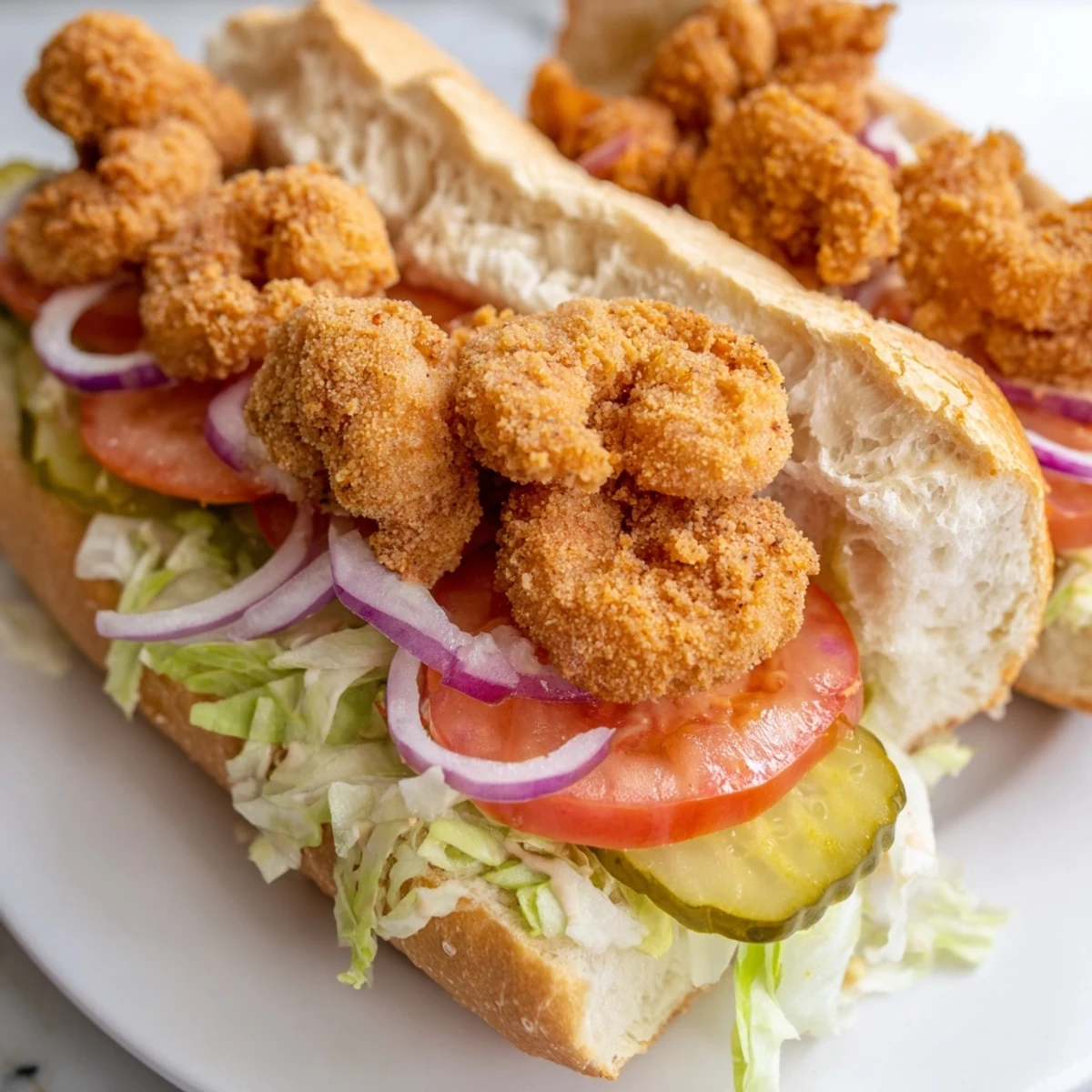
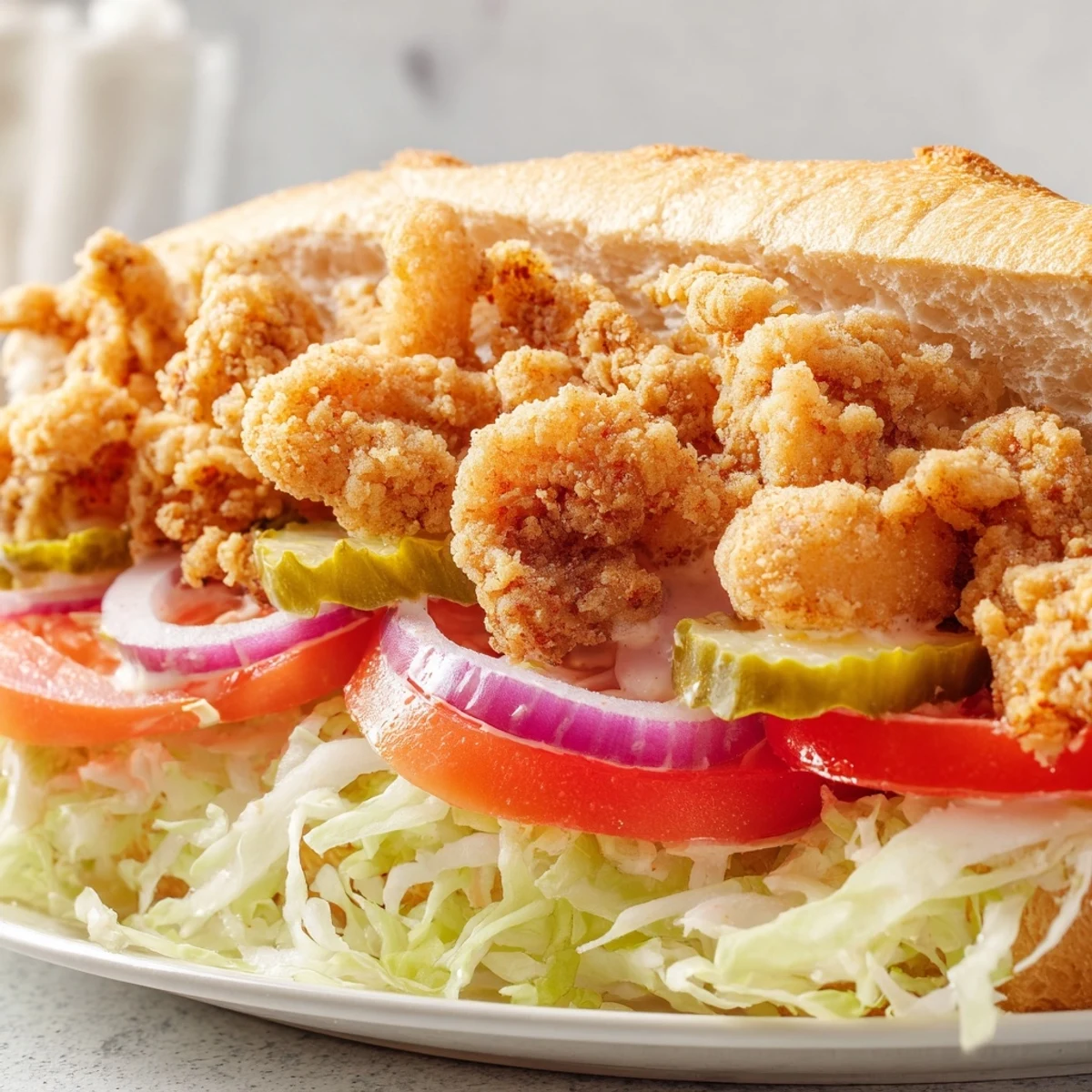
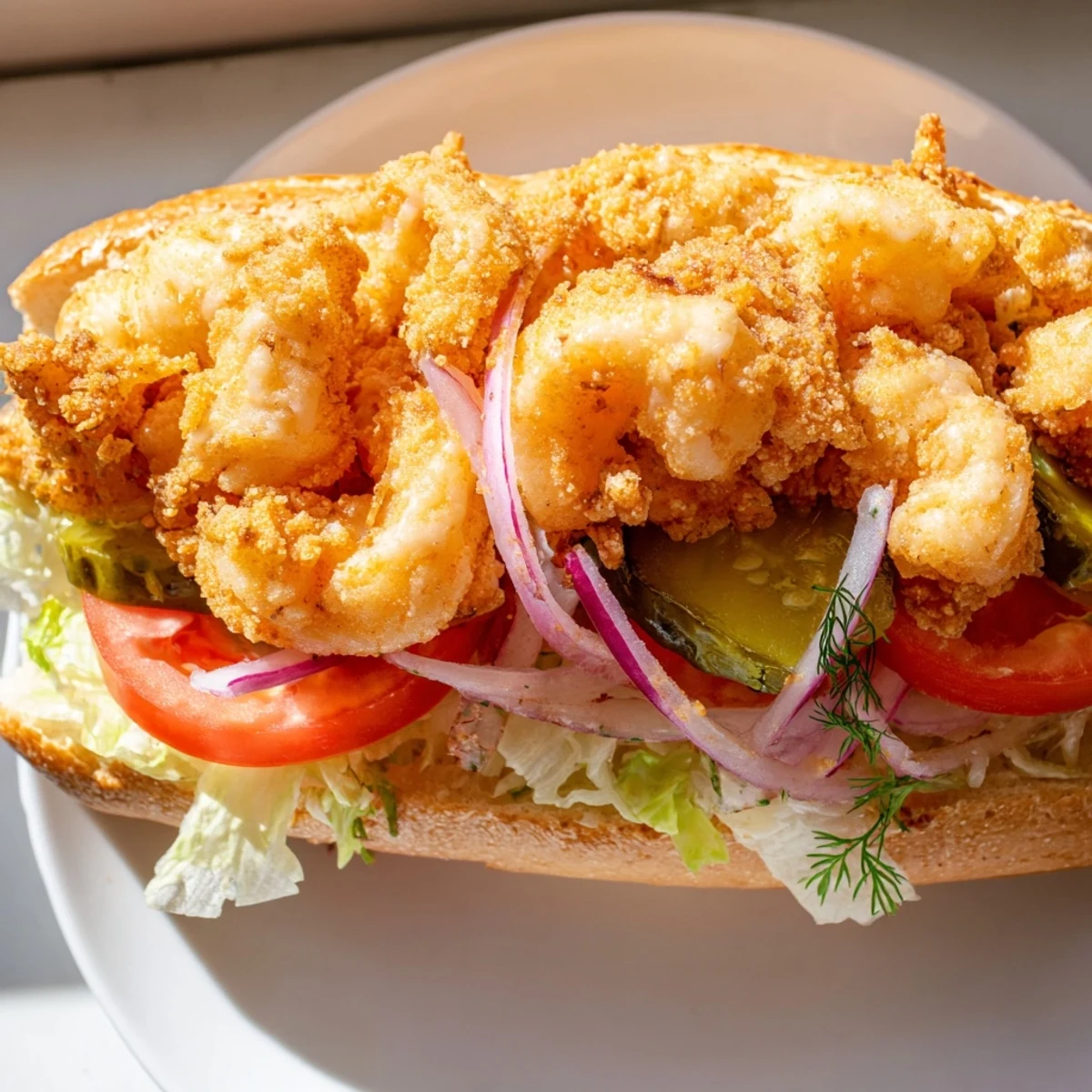
 Shrimp Po Boy is an iconic New Orleans sandwich that brings together crispy fried shrimp with a bold, tangy remoulade sauce. The shrimp are coated in a seasoned flour and cornmeal blend, then fried until golden and crispy. This is paired with a homemade remoulade made from mayonnaise, Dijon mustard, horseradish, and vibrant spices. The sandwich comes together on a crusty French baguette layered with crisp lettuce, fresh tomato slices, red onion, and dill pickles. Total preparation takes 40 minutes with mostly hands-on time in the kitchen. Perfect for a satisfying lunch or casual dinner.
The aroma of sizzling shrimp and spices filled my tiny apartment the first time I attempted a po' boy at home. I'd just returned from a weekend in New Orleans where I'd stood in line at a corner shop watching locals order these overstuffed sandwiches with the casual certainty of people who know exactly what good food should taste like. Back home with seafood in hand and determination in my heart, I was ready to recreate that magic.
Last summer during a power outage, I prepared these sandwiches for neighbors who had gathered in our building's courtyard with portable lanterns. We ate by candlelight, passing around napkins and laughing as remoulade sauce dripped down our chins. Someone brought out a guitar, and suddenly our impromptu dinner became the highlight of an otherwise inconvenient blackout.
Ingredients
- Large shrimp: Look for shrimp labeled 16/20 count which gives you the perfect bite size after frying, and always peel them completely since the breading adheres better to naked shrimp.
- Cornmeal: This is what gives authentic po boys their distinctive crunch and golden color, so please dont substitute with just flour.
- Hot sauce: I keep Louisiana-style hot sauce specifically for this recipe as its vinegar punch works magic in both the marinade and remoulade.
- French baguette rolls: The bread should have a crackling crust but pillowy interior to properly contain all those juices without falling apart halfway through your first bite.
Instructions
- Whip up that remoulade:
- Mix all sauce ingredients until smooth and creamy, tasting as you go to adjust the heat level. The flavors meld beautifully when it chills, so make this first and let it rest while you prep everything else.
- Prep your assembly line:
- Arrange your breading station from left to right if youre right-handed or vice versa if youre left-handed. This small organizational step saves you from the floury fingerprint mess I made my first attempt.
- Get those shrimp dancing:
- When the oil reaches temperature, the shrimp should sizzle immediately when added. Watch for that gorgeous golden color rather than timing exactly, as different sized shrimp cook at different rates.
- Build your masterpiece:
- Layer ingredients starting with a generous schmear of remoulade on both sides of the bread. The sauce acts as both flavor and glue to keep your toppings from sliding out with that first bite.
 Pin it
 My brother-in-law, who normally turns his nose up at seafood, took one bite of this sandwich during a family gathering and promptly declared it an exception to his no-fish rule. He then proceeded to finish the entire thing in what seemed like three bites, standing over the kitchen sink to catch the falling lettuce. That moment of culinary conversion remains one of my proudest cooking achievements.
The Perfect Fry Temperature
After scorching a batch of shrimp beyond recognition when my oil got too hot, I invested in a clip-on thermometer that took all the guesswork out of frying. Maintaining 350°F keeps the breading golden while ensuring the shrimp inside cooks through without becoming rubber. If you dont have a thermometer, test the oil by dropping in a small piece of bread, which should bubble moderately and turn golden in about 30 seconds.
Remoulade Variations
The basic remoulade recipe here is my starting point, but sometimes I experiment based on what I have on hand. Swapping the sweet pickle relish for capers adds a briny punch, while stirring in finely diced celery gives extra texture. For a creole-style remoulade with more kick, add a tablespoon of finely chopped green onions and a dash of Worcestershire sauce to the mix.
Make-Ahead Options
When hosting, I discovered ways to prep components in advance without sacrificing quality. The remoulade actually improves with an overnight rest in the refrigerator as flavors meld together into something greater than their parts.
- Prepare the remoulade up to two days ahead and store in an airtight container in the refrigerator.
- Mix your dry breading ingredients and store in a sealed container at room temperature up to a week before cooking.
- Chop all vegetables the morning of serving and keep them crisp in cold water in the refrigerator.
 Pin it
 Every time I serve these po boys, they transport us straight to the French Quarter without the plane ticket. Gather your ingredients, turn up some jazz, and prepare for a little taste of New Orleans magic in your own kitchen.
Recipe Questions & Answers
- → What oil temperature is best for frying the shrimp?
-
Heat the oil to 350°F (175°C). This temperature ensures the shrimp cook through while the coating becomes golden and crispy without absorbing excess oil. Use a thermometer to maintain consistent heat.
- → Can I make the remoulade sauce ahead of time?
-
Yes, prepare the remoulade up to 2 days in advance and store it in an airtight container in the refrigerator. The flavors actually deepen and blend together as it sits, making it even better the next day.
- → What's the best way to keep the baguette from getting soggy?
-
Lightly toast the baguette rolls before assembling. This creates a barrier that prevents the bread from absorbing moisture from the sauce and toppings. Add the sauce just before serving for maximum crispness.
- → Can I substitute the shrimp with other proteins?
-
Absolutely. Catfish and oysters are traditional substitutes that work wonderfully. Both have similar cooking times and take on the seasoning beautifully when fried using the same breading technique.
- → How do I achieve the crispiest shrimp coating?
-
Use a combination of flour and cornmeal in your coating—the cornmeal adds extra crunch. Ensure the shrimp are fully coated and don't overcrowd the pan while frying. Fry in batches and maintain oil temperature throughout cooking.
- → What sides pair well with this sandwich?
-
Serve alongside Cajun fries, crispy potato chips, or coleslaw. A cold beverage like iced tea, lemonade, or a light beer complements the bold flavors of the remoulade and fried shrimp perfectly.