
 Pin it
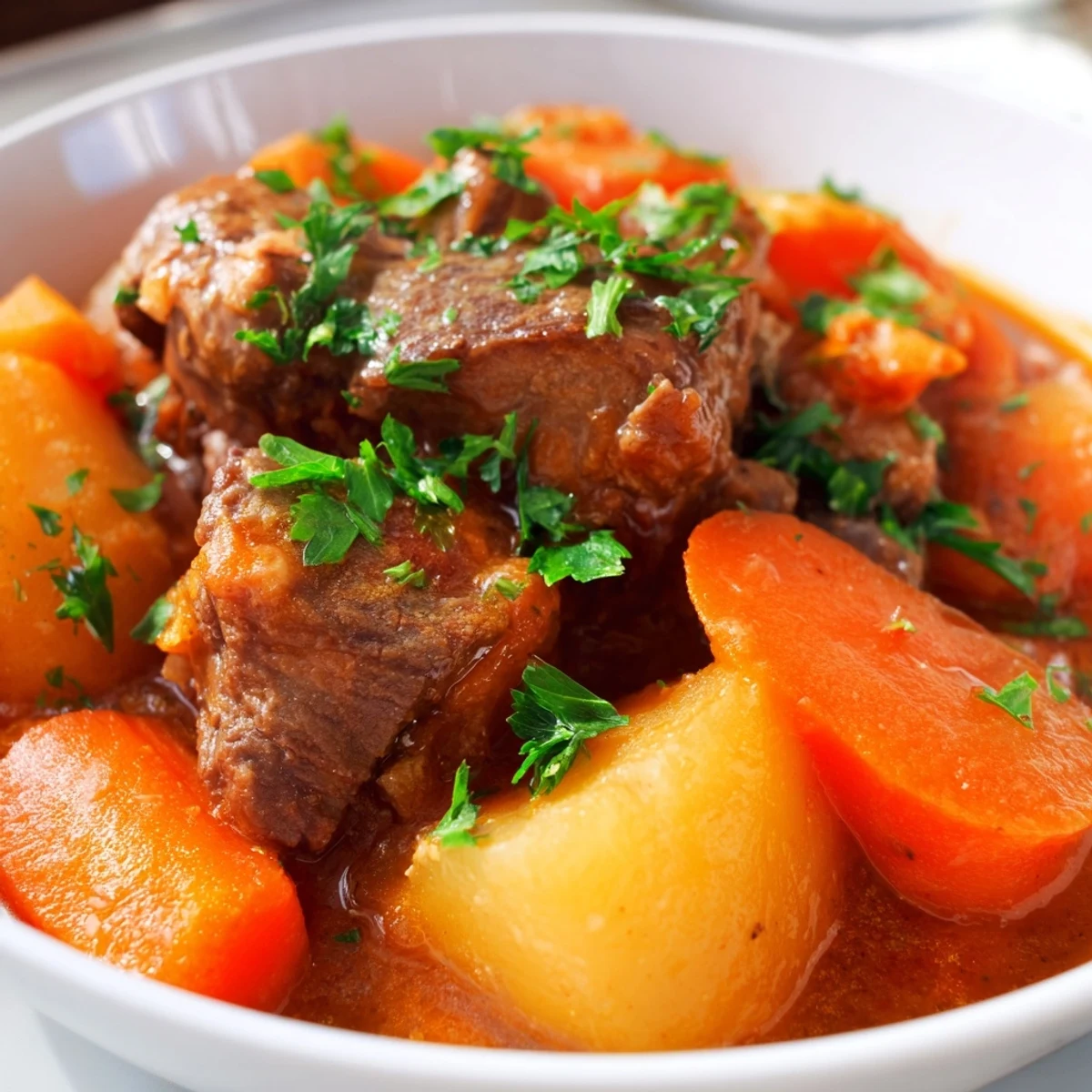
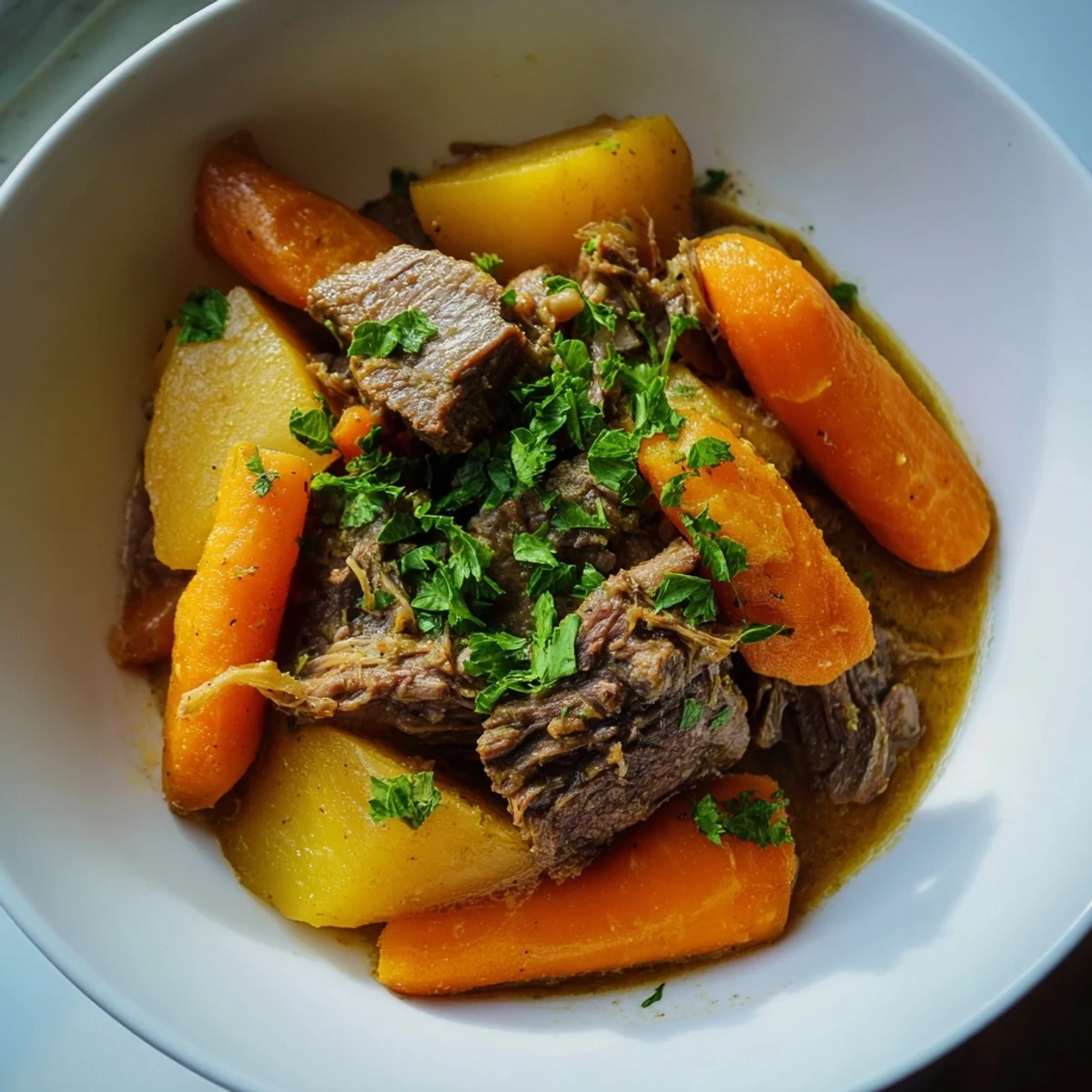
 This comforting Irish lamb stew brings together succulent lamb shoulder cubes with a medley of garden-fresh root vegetables like carrots, potatoes, onions, and parsnips. Slow-simmered in a rich beef or lamb stock with aromatic garlic, bay leaves, and thyme, the meat becomes wonderfully tender and the flavors meld beautifully.
The preparation involves browning the lamb in batches, then sautéing the aromatic vegetables in the same pot. Return the lamb, add potatoes, stock, and herbs, then allow it to gently simmer for 1.5-2 hours until the lamb is incredibly tender. Finish by adjusting seasoning and garnishing with fresh parsley for a perfect, warming meal.
I remember a particularly blustery autumn day when the wind howled outside, rattling the windows. My usual weeknight fare just wouldn't cut it; I needed something substantial, something that hugged you from the inside out. That's when I pulled out an old recipe card for this Irish Lamb Stew, a classic that promises warmth and comfort with every single spoonful. The rich aroma filling the kitchen instantly changed my mood from chilly to cozy.
One year, we had a surprise early snowstorm that knocked out the power for a few hours right as I was about to serve this stew. Instead of despair, we lit candles, bundled up, and ate by the flickering light, the steam from the bowls creating a cozy mist. That night, the stew wasn't just food; it was a warm anchor in an unexpected, charmingly rustic evening.
Ingredients
- Lamb Shoulder: This cut is your best friend for stew—it's full of flavor and breaks down beautifully into tender morsels after a long simmer.
- Salt and freshly ground black pepper: Simple seasonings are key here; don't be shy, as the stew needs a good base of flavor.
- Carrots, Potatoes, Onions, Parsnips, Celery: These root vegetables are the heart of the stew, absorbing all the rich flavors and providing a wonderful texture contrast.
- Low-sodium beef or lamb stock: Using low-sodium stock gives you control over the final seasoning, ensuring your stew isn't overly salty.
- Water: Just enough to ensure everything is submerged and gently simmers without becoming too watery.
- Garlic: Aromatic and foundational, minced garlic adds a lovely depth that blooms as it cooks.
- Fresh bay leaves: These impart a subtle, almost woodsy note that rounds out the savory profile of the lamb.
- Fresh thyme: Thyme's earthy, slightly floral notes are perfect with lamb; fresh sprigs offer the best flavor.
- Chopped fresh parsley: Not just a garnish, fresh parsley adds a vibrant color and a burst of freshness right before serving.
- Vegetable oil or unsalted butter: Essential for browning the lamb and sautéing the vegetables, laying down the first layers of flavor.
Instructions
- Prepping the Lamb:
- Let's get started by sprinkling those beautiful lamb pieces generously with salt and pepper; this initial seasoning makes all the difference.
- Browning the Meat:
- Heat your oil or butter in a big pot over medium-high heat, then brown the lamb in batches until it's beautifully seared on all sides, building that crucial flavorful crust. Set it aside for a moment.
- Softening the Aromatics:
- Toss in the chopped onions, carrots, parsnips, and celery, letting them soften for about five minutes while you scrape up any delicious browned bits from the bottom of the pot.
- Awakening the Garlic:
- Stir in the minced garlic and let it cook for just about a minute, until you can smell its sweet fragrance filling your kitchen.
- Bringing it All Together:
- Return the browned lamb to the pot, then add the potatoes, bay leaves, thyme, stock, and water. Bring everything to a gentle boil before reducing the heat to a whisper.
- The Patient Simmer:
- Cover your pot and let it quietly simmer for an hour and a half to two hours, giving it an occasional stir, until the lamb is incredibly tender and the vegetables are perfectly cooked.
- Final Touches:
- Carefully remove the bay leaves and thyme sprigs, then taste your stew and adjust the seasoning with a little more salt and pepper if it needs a lift.
- Serving Warm Hugs:
- Ladle the hot stew into bowls, scatter a generous amount of fresh parsley over each serving, and enjoy this comforting meal.
 Pin it
 I remember my young niece, usually a picky eater, taking her first hesitant bite of this stew and then, to my absolute delight, asking for a 'big second helping.' Seeing her warm up to a traditional, hearty dish, rather than her usual chicken nuggets, made me realize how truly universal the language of good comfort food is.
The Beauty of the Brown Bits
Those seemingly insignificant browned bits stuck to the bottom of your pot after searing the lamb are pure gold, packed with concentrated flavor. Don't scrub them away; instead, use your wooden spoon to scrape them up as the vegetables soften, integrating them into the stew base. This process, called 'deglazing,' is a foundational technique that elevates the richness of your final dish. It's a small step that yields immense flavor rewards.
The Magic of a Gentle Simmer
True comfort in a stew like this comes from the slow, unhurried simmer; it's not about boiling the ingredients into submission. Keeping the heat low ensures the lamb gently braises, becoming meltingly tender without drying out. This gradual cooking also allows all the individual flavors to meld and deepen, creating that complex, satisfying taste we all crave. Patience is truly your most important ingredient here.
A Note on Customizing Your Stew
While this recipe is a classic, don't hesitate to make it your own based on what you have on hand or what you love. A splash of Guinness stout during the simmering stage adds an incredible depth and a subtle malty note, transforming the stew into something even more robust. Or, if you're after a slightly thicker consistency without adding flour, simply mash a few potato chunks against the side of the pot with your spoon.
- For an extra layer of flavor, consider adding a sprig of fresh rosemary along with the thyme.
- Feel free to swap parsnips for more carrots or even turnip if you prefer a different root vegetable.
- Always taste and adjust your seasonings just before serving; a little fresh pepper can really brighten the flavors.
 Pin it
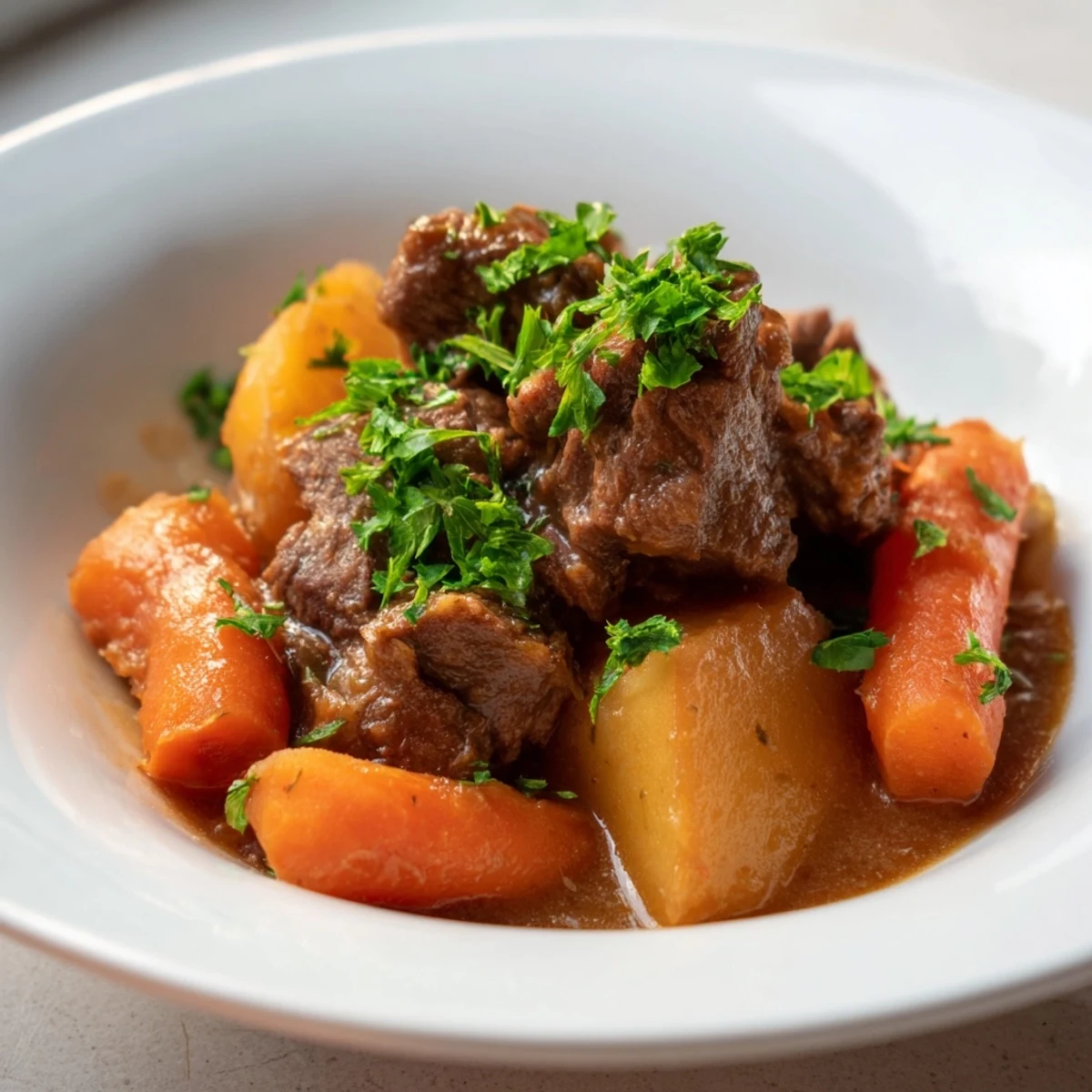
 This Irish Lamb Stew isn't just a meal; it's a hearty embrace on a plate, perfect for sharing with loved ones. May it bring as much warmth and joy to your table as it has to mine.
Recipe Questions & Answers
- → Can I use a different type of meat?
-
Yes, while lamb is traditional for this hearty dish, you can substitute it with beef stew meat for an equally delicious and satisfying meal.
- → How can I make this dish thicker?
-
To achieve a thicker consistency, simply mash a few of the cooked potato pieces against the side of the pot with your spoon and stir. The starches released will naturally thicken the liquid.
- → What can I serve with this traditional meal?
-
This warming preparation is traditionally enjoyed with crusty Irish soda bread, which is perfect for soaking up the rich broth. A simple green salad would also complement it well.
- → Can I add extra flavor to the broth?
-
Absolutely! For a deeper, more robust flavor profile, consider adding a splash of Guinness stout to the stew along with the stock and water during the simmering stage.
- → Is it possible to prepare this dish ahead of time?
-
This stew often tastes even better the next day as the flavors have more time to meld. Allow it to cool completely before refrigerating, then reheat gently on the stovetop.