
 Pin it
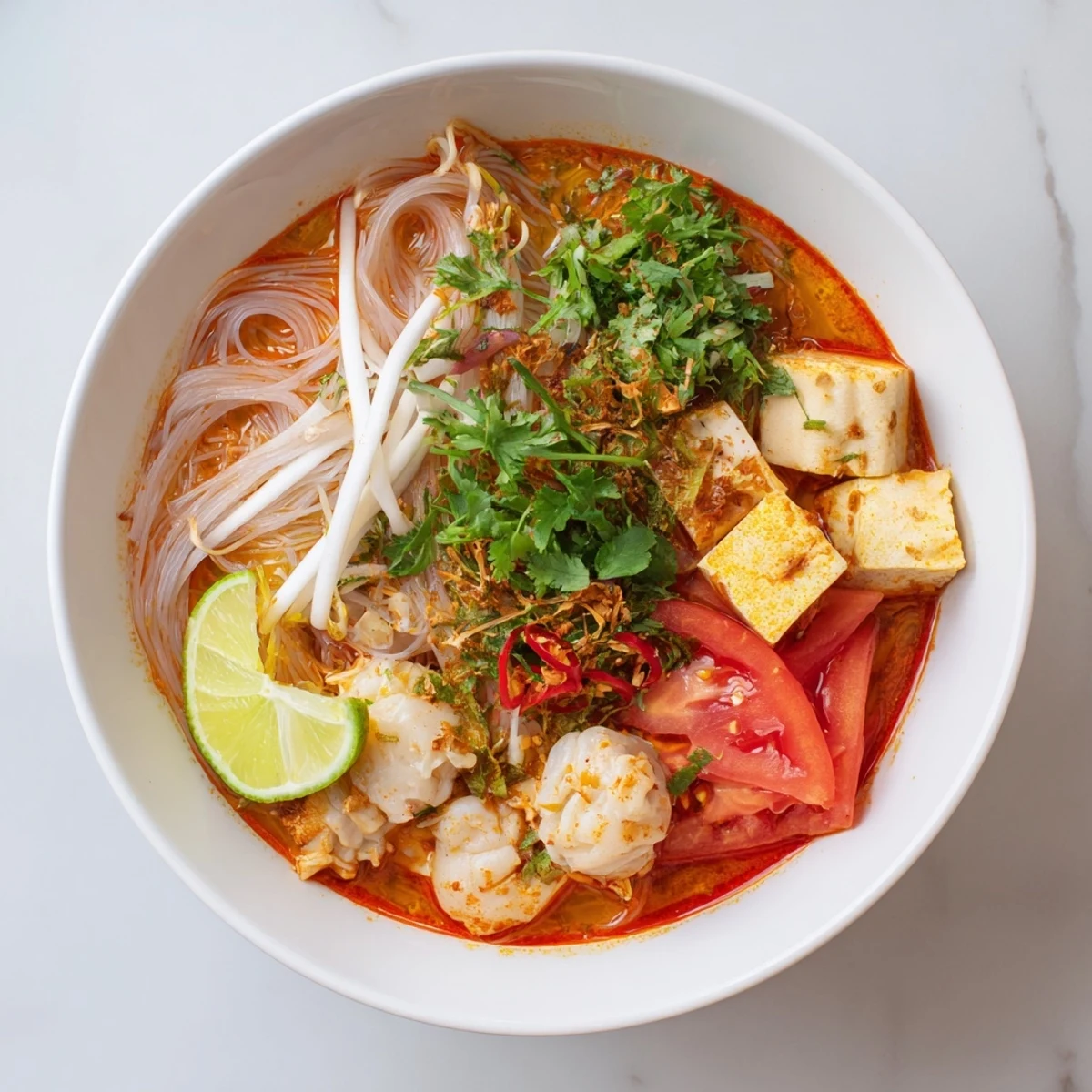
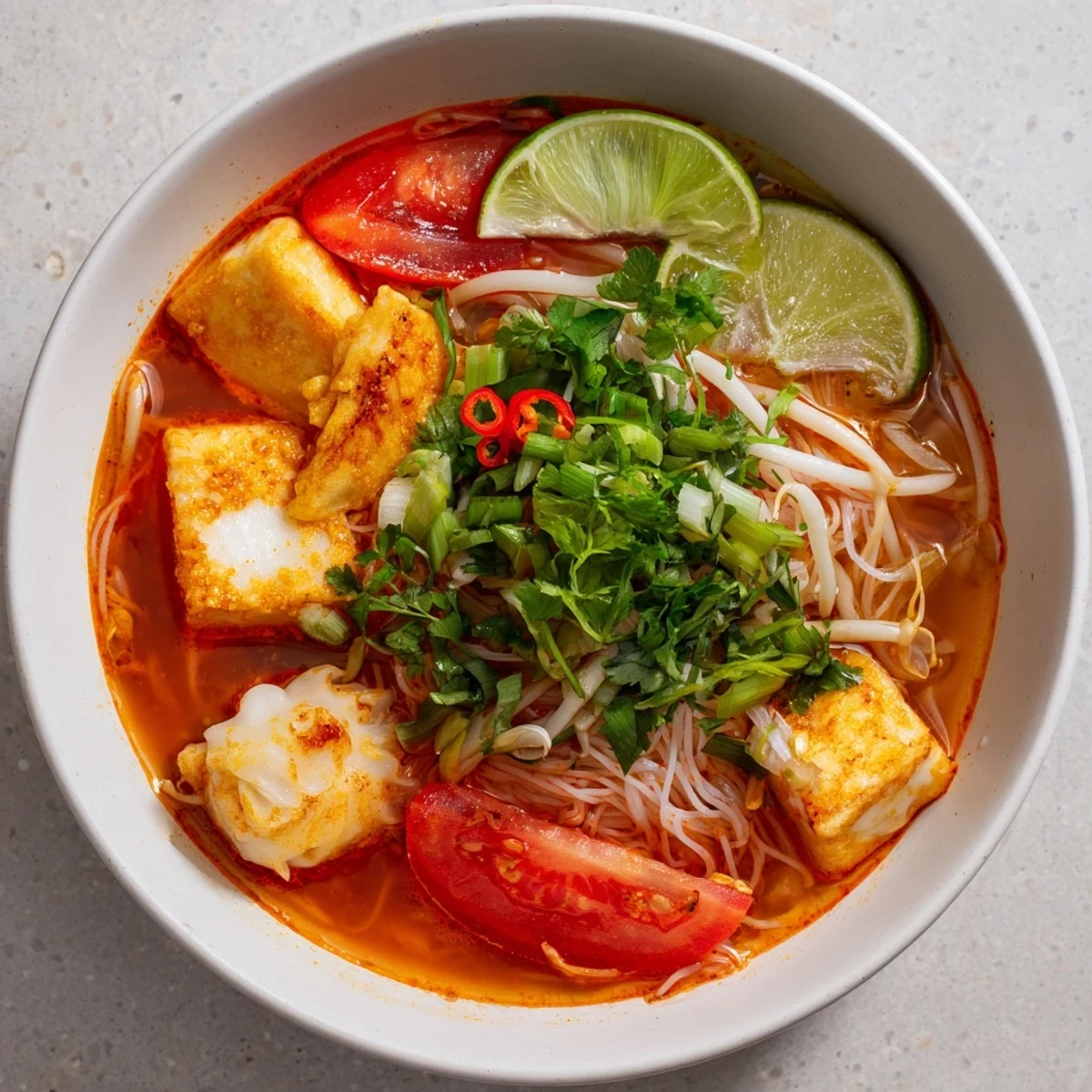
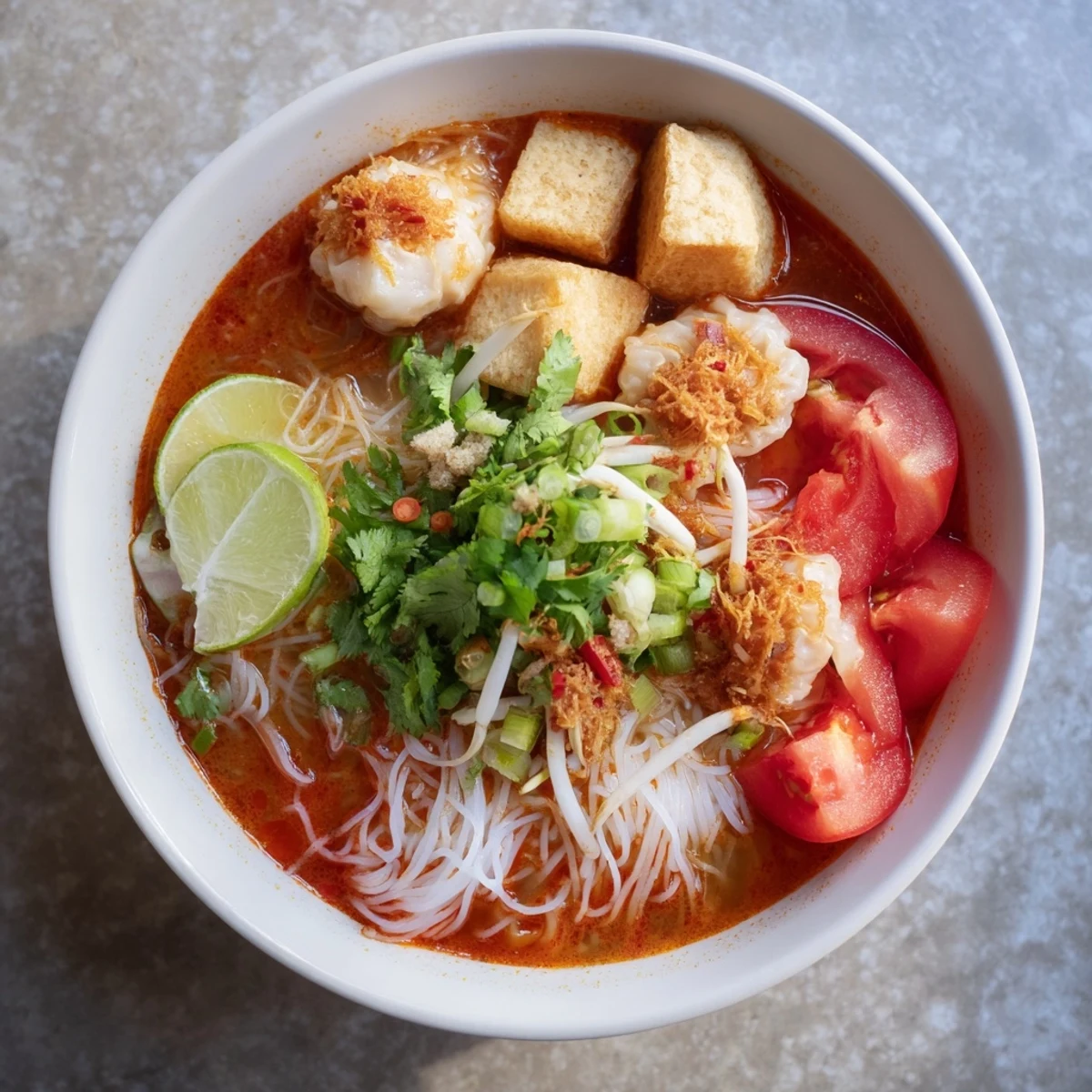
 This classic Vietnamese soup combines tender crab dumplings, juicy tomatoes, and golden tofu in a rich, savory broth. The tangy, aromatic base gets its signature red hue from annatto oil, while fresh herbs like perilla and Vietnamese coriander add bright, herbal notes. Perfect for a satisfying meal, the rice vermicelli noodles soak up the flavorful broth, and customizable toppings like bean sprouts, lime wedges, and chili let everyone adjust their bowl to taste.
My tiny apartment kitchen in Saigon had no windows, just a single humming fan that fought against the steam rising from my broth pot. The landlady had shown me how to make Bún Riêu the previous week, her weathered hands shaping crab mixture into floating clouds while she chattered about her grandchildren. That afternoon became the first time I truly understood how Vietnamese cuisine balances fiery heat and cooling freshness in a single bowl.
During my first dinner party attempt, I accidentally dropped the crab mixture too aggressively into boiling broth, creating what my friend called crab confetti instead of those lovely fluffy clouds she remembered from Hanoi. We laughed through the messy bowls anyway, but I promised myself Id master the gentle technique before inviting her back. Three years and countless pots later, my version still brings that same joy to the table, even if my technique is far from perfect.
Ingredients
- Chicken or pork broth: Homemade gives the best depth, but a good quality store-bought one works perfectly fine too
- Fresh crab meat: Lump crab meat creates the most beautiful texture in those floating dumplings, though canned crab will do in a pinch
- Ripe tomatoes: They need to be soft enough to break down into the broth, adding that essential acidity and body
- Firm tofu: Holds its shape better during cooking, creating those satisfying chewy cubes throughout the soup
- Rice vermicelli noodles: Thin noodles work best here, absorbing just enough broth while maintaining their delicate texture
- Fresh herbs: The combination of perilla, Vietnamese coriander, and cilantro is non-negotiable for that authentic bright finish
Instructions
- Build the Foundation:
- Start your broth simmering with onion and garlic, letting those aromatics infuse for about 20 minutes before straining them out completely
- Mix the Crab Clouds:
- Combine crab meat with eggs, fish sauce, shallots, and white pepper until you have a smooth, orange-tinged mixture that holds together well
- Create Floating Magic:
- Return broth to a gentle simmer, then carefully drop small spoonfuls of crab mixture into the liquid, letting them float and solidify without disturbance
- Sauté the Base:
- Cook tomatoes in annatto oil until they soften and release their juices, then add tofu cubes to absorb some of that vibrant color
- Bring It All Together:
- Combine the sautéed mixture with your broth and crab clouds, simmering gently for about 10 minutes to let all those flavors become friends
- Prepare the Noodles:
- Cook vermicelli according to package directions, then rinse thoroughly under cold water to stop the cooking and prevent sticking
- Assemble Your Bowls:
- Layer noodles at the bottom, ladle over the steaming soup with all its treasures, then finish with a mountain of fresh herbs and bean sprouts
 Pin it
 Last winter, my friend who swore she hated all seafood ended up having three bowls of this soup, picking out every last piece of crab while raving about the broth. Thats the magic of Bún Riêu: even crab skeptics find themselves converted by the complex layers of flavor. Now she requests it every time the weather turns cold, calling it her comfort food discovery of the decade.
Making Ahead and Storage
The broth and crab mixture actually benefit from resting overnight, so I often prep everything the day before serving. Store the broth separately from the noodles and garnishes, then simply reheat and assemble when hunger strikes. The crab clouds become slightly more firm after refrigeration, which some people prefer for the texture contrast.
The Art of Garnishing
Vietnamese cuisine excels at that final flourish that transforms good into great, and Bún Riêu is no exception to this rule. A proper garnish station with bean sprouts, lime wedges, sliced chilies, and that massive herb pile lets everyone customize their bowl exactly how they like it. I also set out shrimp paste for the adventurous eaters who know that funky punch makes everything better.
Finding Your Perfect Balance
Every family in Vietnam has their own ratio of sour to savory, and Ive learned to taste and adjust throughout the cooking process rather than following measurements blindly. The tomatoes should provide enough sweetness to balance the fish sauce, but dont be afraid to add more lime at the table. Trust your palate more than any recipe, and let your own preferences guide those final adjustments.
- Cold weather calls for extra chili heat in the serving bowl
- Summer versions benefit from more lime and herbs for brightness
- The broth should taste slightly more intense before adding noodles, which will dilute it
 Pin it
 Theres something deeply satisfying about a soup that requires so much care yet rewards you with such vibrant complexity in every spoonful. I hope this recipe brings as much warmth to your kitchen as it has to mine over the years.
Recipe Questions & Answers
- → What makes Bun Rieu different from other Vietnamese soups?
-
Bun Rieu stands apart with its unique crab and egg dumplings that float in the broth, creating tender, flavorful morsels. The combination of ripe tomatoes and annatto oil gives the soup its distinctive reddish color and slight tanginess, unlike the clear broths of pho or the rich coconut bases of other curries.
- → Can I use imitation crab instead of fresh crab?
-
While fresh or canned lump crab meat provides the best texture and flavor, you can substitute with imitation crab in a pinch. The taste will be slightly different and less authentic, but the dish will still be delicious. Just be sure to adjust the fish sauce accordingly as imitation crab tends to be saltier.
- → What can I substitute for annatto oil?
-
Annatto oil primarily adds color rather than significant flavor. You can simply omit it for a lighter-colored broth, or use a pinch of paprika or turmeric to achieve a similar warm hue. The soup will taste just as wonderful without it.
- → How do I prevent the crab mixture from falling apart in the broth?
-
The key is gently dropping small spoonfuls into simmering—not boiling—broth. Let each piece float and solidify for 4-5 minutes before adding more. Avoid stirring during this time, and resist the temptation to make the dumplings too large. The egg helps bind everything together.
- → Can I make this soup ahead of time?
-
You can prepare the broth and crab mixture up to a day in advance, but cook the crab dumplings fresh for the best texture. Store components separately in the refrigerator. Reheat the broth gently and drop in the crab mixture before serving. Fresh noodles and herbs should be prepared just before eating.
- → Is shrimp paste necessary?
-
Shrimp paste is entirely optional and adds a deep, umami-rich punch that many traditional preparations include. If you're new to Bun Rieu, try it without first or serve it on the side so diners can add it to taste. It's quite potent, so a little goes a long way.